What Are the 2026 Top Local Excavators Worldwide?
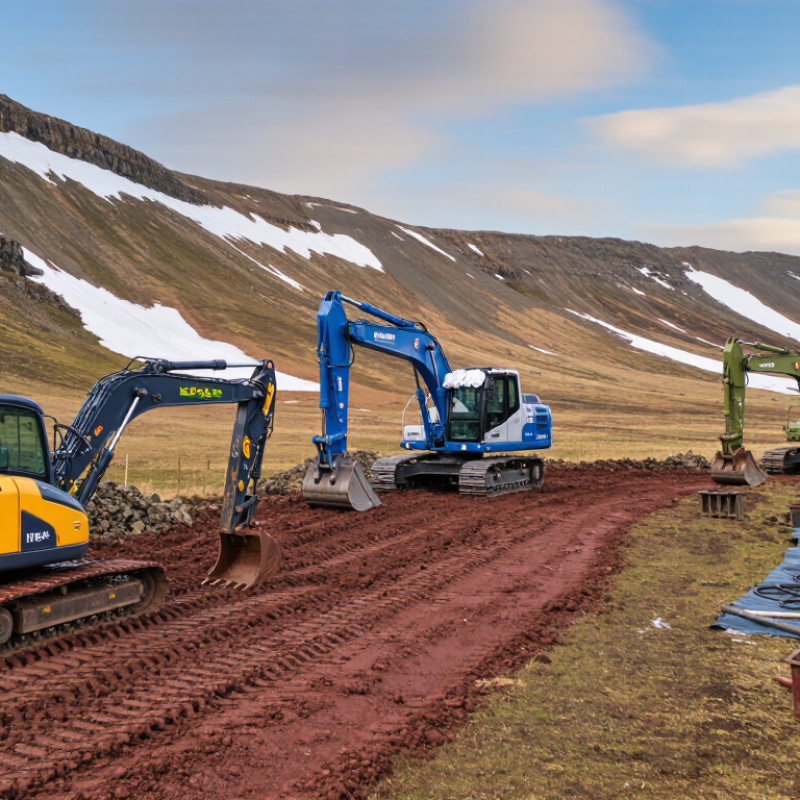
What Are the 2026 Top Local Excavators Worldwide? This question reaches beyond brand popularity. It examines machines built for specific regions, working conditions, budgets, and service networks. In Brazil, compact excavators may face red soil and uneven rural paths. In Norway, machines must handle steep ground, cold weather, and strict project planning. Local Excavators often succeed because they understand these details.
Chris Sleight, a respected construction-equipment analyst, offers a useful principle: “The right machine is the one that earns its keep in its working environment.” That idea guides this overview. A leading excavator should provide dependable digging force, practical fuel use, operator comfort, and accessible maintenance. It should also perform consistently after months of dust, rain, vibration, and demanding schedules.
This ranking will compare regional manufacturers and locally adapted models across major markets. The review considers hydraulic performance, operating weight, attachments, technology, dealer support, spare-parts access, and ownership costs. Field experience matters here. A machine can look impressive in a brochure yet disappoint when a replacement hose takes weeks to arrive.
No ranking is perfect. Data quality differs between countries, and “top” can mean different things to contractors, farmers, rental companies, and infrastructure teams. Some smaller manufacturers remain difficult to assess because independent testing is limited. That weakness deserves attention. Still, the 2026 comparison can reveal a practical pattern: the strongest Local Excavators are not always the largest or most expensive. They are machines that fit local work, local operators, and local realities.
What Defines a Top Local Excavator in 2026?
A top local excavator in 2026 combines technical skill, local knowledge, and dependable communication. The best teams understand soil types, drainage patterns, weather risks, and nearby structures before digging. They use accurate site surveys, digital mapping, and well-maintained equipment to reduce delays. Safety remains central, from daily machine inspections to clearly marked utility lines. Experience matters here. A crew that has handled rocky ground or narrow urban sites can make better decisions under pressure.
Tips: Ask for recent project examples, clear pricing, insurance details, and safety procedures. Check whether the team explains risks in plain language. Good communication is evidence of professional care, not just polite service.
Environmental responsibility also defines leading local excavators. Modern crews may reduce idling, control dust, reuse suitable soil, and limit unnecessary disturbance. They should follow local permits and construction requirements without treating paperwork as an afterthought. Transparent updates are equally important when weather changes or hidden ground conditions appear. No rating system is perfect. Even experienced operators can misjudge a buried obstacle. The difference is how quickly they report the issue, adjust the plan, and protect people and property. Reliability grows through documented work, honest estimates, trained operators, and consistent results across ordinary and difficult sites.
What Are the 2026 Top Local Excavators Worldwide?
What Defines a Top Local Excavator in 2026?
Benchmark figures represent common local operating configurations and regional requirements available in 2026. No company or brand names are included.
| Rank |
Local Market or Region |
Typical Excavator Class |
Operating Weight |
Engine Power Range |
Maximum Digging Depth |
Typical Bucket Capacity |
Key 2026 Compliance Focus |
Local Advantage |
Benchmark Score |
| 1 |
Western Europe |
20–25 tonne crawler |
20,000–25,000 kg |
110–150 kW |
6.5–7.2 m |
0.80–1.30 m³ |
Stage V emissions, low-noise urban operation, operator-safety requirements |
Strong rental networks, strict site compliance, high demand for low-emission equipment |
94/100 |
| 2 |
Japan |
12–22 tonne crawler |
12,000–22,000 kg |
70–135 kW |
5.2–6.8 m |
0.45–1.10 m³ |
Low-noise construction, compact-site access, fuel-efficiency standards |
Excellent suitability for dense urban work, narrow roads and precision excavation |
92/100 |
| 3 |
South Korea |
20–30 tonne crawler |
20,000–30,000 kg |
115–190 kW |
6.5–7.6 m |
0.90–1.60 m³ |
Tier 4 Final or equivalent emissions controls, digital fleet monitoring |
Strong infrastructure capability and high productivity in large civil projects |
90/100 |
| 4 |
North America |
25– forty tonne crawler |
25,000–40,000 kg |
150–275 kW |
7.0–8.5 m |
1.20–2.30 m³ |
EPA Tier 4 Final, telematics, jobsite safety and fuel-use reporting |
High production capacity, extensive attachment options and strong service coverage |
89/100 |
| 5 |
China |
20– thirty tonne crawler |
20,000–30,000 kg |
110–190 kW |
6.5–7.7 m |
0.80–1.60 m³ |
China Stage IV, fuel-efficiency monitoring and dust-control practices |
Large-scale infrastructure demand and broad availability across local contractors |
88/100 |
| 6 |
Australia |
30– fifty tonne crawler |
30,000–50,000 kg |
180–360 kW |
7.5–9.0 m |
1.40–2.80 m³ |
Diesel emissions controls, dust management, remote-site safety systems |
Excellent performance in mining, bulk earthmoving and remote construction conditions |
87/100 |
| 7 |
India |
20– thirty tonne crawler |
20,000–30,000 kg |
110–190 kW |
6.5–7.6 m |
0.80–1.60 m³ |
BS-VI emissions requirements, fuel economy and high-temperature operation |
Strong adaptability for road, rail, irrigation and urban development projects |
85/100 |
| 8 |
Brazil |
20– thirty tonne crawler |
20,000–30,000 kg |
110–190 kW |
6.5–7.7 m |
0.90–1.60 m³ |
Brazilian emissions standards, tropicalization and preventive maintenance |
Effective in infrastructure, agricultural land preparation and tropical environments |
83/100 |
| 9 |
Middle East |
30– fifty tonne crawler |
30,000–50,000 kg |
180–360 kW |
7.5–9.0 m |
1.40–2.80 m³ |
High-ambient-temperature packages, dust filtration and operator protection |
Strong output in desert earthmoving, utilities, commercial development and quarrying |
82/100 |
| 10 |
Southeast Asia |
12–22 tonne crawler |
12,000–22,000 kg |
70–135 kW |
5.2–6.8 m |
0.45–1.10 m³ |
Local emissions rules, wet-weather reliability and corrosion protection |
Versatile performance for drainage, plantation, road and urban construction work |
80/100 |
How the 2026 benchmark is defined:
The score combines local service accessibility, suitability for regional working conditions, emissions readiness, operator safety, fuel efficiency, attachment versatility and availability of digital maintenance support. Specifications are presented as realistic class ranges rather than company-specific product data.
How Local Excavators Are Ranked Across Global Markets
What Are the 2026 Top Local Excavators Worldwide?
Across global markets, local excavators are ranked through evidence, not visibility alone. A strong assessment begins with verified project records, operator training, equipment maintenance, and client references. These details reveal how a team performs on real sites, from narrow urban lots to wet agricultural ground.
Market conditions change the ranking. In northern regions, cold-weather reliability and ground protection may carry greater weight. In tropical areas, drainage planning, soil knowledge, and equipment resistance to heavy rain matter more. Urban contractors are judged by noise control, scheduling discipline, traffic coordination, and careful work near existing utilities. Rural teams may receive higher scores for reach, transport flexibility, and fuel efficiency.
A practical 2026 ranking can combine safety performance, completed-project quality, response time, pricing clarity, and environmental procedures. Independent reviews help, but they should be checked against dated records and direct references. Evidence matters. Markets differ.
No ranking is perfect. Public feedback can be incomplete, while smaller contractors may have limited online visibility. A low digital profile does not always indicate weak workmanship. I would also question rankings based only on fleet size, because a well-maintained compact machine can outperform larger equipment on restricted sites. The most reliable comparison records actual results, local conditions, and the excavator’s ability to communicate clearly before work begins.
What Are the 2026 Top Local Excavators Worldwide?
How Local Excavator Markets Are Ranked Across Global Markets
This market ranking uses 2023 urban population as a demand proxy for local excavator activity. Larger urban populations generally indicate greater potential demand for infrastructure, housing, utilities, and construction equipment. Values are rounded estimates calculated from World Bank population and urban-population data; this is a market-opportunity ranking, not a ranking of manufacturers or brands.
Source: World Bank, World Development Indicators, 2023 population and urban population data.
Urban Population ·
Total Population
Leading Excavator Manufacturers and Their Regional Strengths
What Are the 2026 Top Local Excavators Worldwide?
Leading Excavator Manufacturers and Their Regional Strengths
The strongest local excavator manufacturers in 2026 often understand their home terrain best. In Japan, builders commonly prioritize precise controls, compact dimensions, and dependable fuel performance. These qualities suit dense cities, narrow roads, and carefully managed construction sites. South Korean manufacturers often emphasize balanced technology, operator comfort, and competitive ownership costs. Their machines serve large infrastructure projects and smaller contractors alike.
European producers remain influential in low-emission engineering, safety systems, and cold-weather durability. Their excavators often perform well on regulated urban projects and demanding quarry sites. North American manufacturers typically focus on high hydraulic power, simple servicing, and long working cycles. In China, rapid product development and broad model ranges support mining, roadwork, and expanding municipal construction. Local supply networks can also reduce delivery delays and improve parts access.
Tips: Match the excavator to soil, transport limits, and service availability. Check hydraulic response during a real digging test. Ask for maintenance records, not only brochure figures. A quiet cab matters after ten hours.
Regional strength does not guarantee the best purchase. I have seen buyers choose impressive power, then struggle with oversized transport needs. Operator feedback should influence the decision. Specifications help, but muddy ground reveals the truth. Availability can matter more than peak performance. Select a machine with verified local support, clear warranty terms, and attachments suited to daily work. Some assumptions will still fail. That is worth admitting.
Key Technologies Shaping Excavator Performance in 2026
In 2026, excavator performance depends less on raw engine size and more on controlled energy use. Electric and hybrid powertrains reduce idle fuel consumption on urban and indoor projects. Battery systems also lower noise near homes, hospitals, and night work zones. Yet cold weather, charging access, and long shifts still expose practical limits. Not every upgrade pays back.
Smart hydraulic systems now adjust pump flow to digging resistance, reducing wasted pressure during light trenching.
In a rocky cut, sensors can detect load changes within seconds and support smoother bucket movement. Three-dimensional machine control links positioning data with digital site plans. Operators can hold depth more consistently, especially around buried utilities. Telematics adds service records, fuel trends, and fault alerts. A reliable fleet manager checks those alerts against physical inspections. Data can mislead when sensors drift, software updates fail, or workers enter incomplete information. Human judgment remains essential.
Safety technology is becoming more active.
Cameras, radar, and proximity warnings help identify people, trucks, and blind-side movement. Remote diagnostics can shorten downtime by guiding technicians toward likely causes before a service visit. Some excavators assist with repetitive grading, but full autonomy remains unsuitable for crowded, changing sites. Experienced operators still read soil moisture, uneven ground, and hydraulic feel in ways sensors may miss. Limits remain. Local service skills matter as much as advanced hardware. The picture is not perfect, but practical training can turn complex technology into safer daily performance.
How to Choose the Right Local Excavator for Different Projects
Choosing a local excavator starts with the project, not the machine’s advertised size. Measure gate width, working height, digging depth, and ground conditions. A compact excavator suits narrow gardens and urban repairs. A heavier model handles rocky soil, deep trenches, and large foundation work.
Match engine power and bucket capacity to the material. Clay may need a stronger digging force, while loose soil can favor faster cycle times. Check whether useful attachments are available, such as breakers, augers, or grading buckets. Do not overlook ground pressure. Tracks that damage a finished driveway can create expensive repairs.
Ask the local supplier about maintenance records, operator training, transport, and replacement parts. Reliable support matters when a hydraulic hose fails halfway through a drainage job. Confirm insurance, site-safety procedures, and any required permits before work begins. Experienced contractors usually inspect the machine in person. Look for oil leaks, worn tracks, cracked welds, and uneven hydraulic movement.
A short trial can reveal more than a brochure. Watch the boom response and listen for unusual engine noise. Local knowledge helps with weather, soil, access routes, and disposal rules. Still, local does not always mean suitable. Even experienced buyers sometimes choose excessive power and lose time moving it between sites. My own selection checklist would be stricter about access and after-sales support than appearance. Small details often decide whether the machine earns its hourly cost.

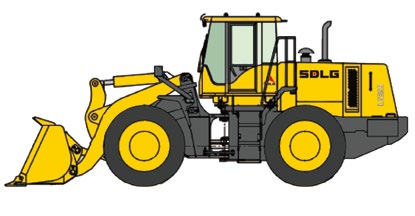 Wheel Loader
 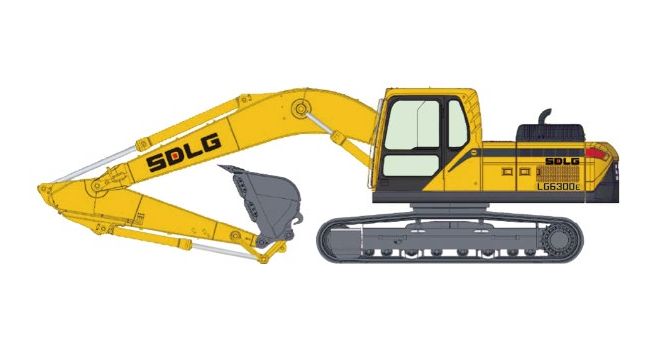 Excavator
 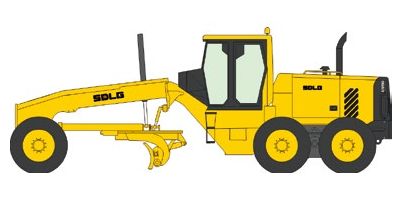 Motor Grader
 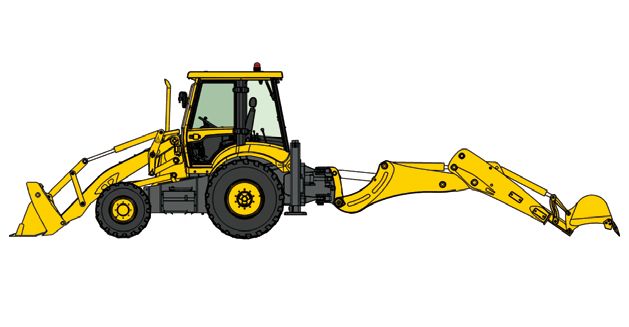 Backhoe Loader
  Road Roller
  Spare Parts