5 Best Hitachi Wheel Loader Models for Global Buyers?
Choosing a wheel loader is rarely about horsepower alone. Global buyers must examine operating weight, bucket capacity, fuel use, service access, attachment support, and local parts availability. A machine may look impressive in a brochure, yet perform poorly on soft ground or narrow quarry roads.
The Hitachi Wheel Loader range deserves careful attention because it combines strong structural design with practical control systems. Models such as the ZW-5 and ZW-6 series are built for demanding work, including aggregate handling, construction loading, stockpile management, and industrial material movement. Their cabs, hydraulic response, visibility, and maintenance layouts can influence productivity every working hour.
Masafumi Senzaki, a senior Hitachi Construction Machinery executive, has expressed a useful principle: “Customer value must guide machine selection.” That idea matters more than a simple model ranking. The best loader depends on local fuel prices, climate, operator skill, workload, and dealer capability.
Field experience also reveals uncomfortable details. A larger loader is not always faster. Oversized tires can raise replacement costs. Advanced systems may need trained technicians. Resale value can vary sharply between regions.
This guide compares five Hitachi Wheel Loader models for international buyers. It considers performance, application fit, ownership costs, comfort, durability, and after-sales support. The evaluation is practical, not perfect. Site conditions differ. Dealer quality differs even more. Readers should verify specifications, emissions requirements, warranty terms, and service coverage before making a purchase. Small details decide big outcomes.
Hitachi Wheel Loaders: Purpose, Design, and Global Market Role
Wheel loaders have one clear purpose: moving bulk material quickly and safely. On construction sites, they load trucks, clear debris, and feed crushers. In quarries, ports, farms, and recycling yards, their role changes with the attachment. Their value depends on cycle speed, breakout force, visibility, and fuel control. Field inspections often reveal the truth. Small details matter.
For global buyers comparing five leading wheel loader models, design should match the working environment. Compact units suit narrow urban sites. Mid-size machines balance transport cost and productivity. Heavy-duty loaders handle rock, aggregates, and long shifts. High-lift versions support demanding truck-loading tasks. Low-emission or electric designs can benefit indoor and regulated projects. However, no ranking stays perfect. A powerful loader may waste fuel in light-duty work. A smaller machine may struggle with dense material. Buyers should examine local parts supply, technician training, climate performance, and attachment compatibility. These factors shape the machine’s real global market role.
Tips: Compare rated load with actual material density. Check bucket visibility from the operator’s seat. Request service records and cold-start testing. Ask about tire availability, hydraulic support, and delivery times. Do not ignore operator comfort. A tired operator makes costly mistakes.
Key Factors for Comparing Hitachi Wheel Loader Models
Comparing five wheel loader models requires more than checking horsepower. In field evaluations, I examine operating weight, bucket capacity, lift height, and hydraulic response. These figures show how a loader will perform beside a stockpile or on a crowded jobsite. A larger bucket is not always better. It may increase cycle output but reduce stability on soft ground. Tire size, ground clearance, and turning radius also matter when surfaces change from paved yards to muddy work areas.
Fuel efficiency deserves practical testing.
Two machines with similar power can produce different hourly costs. I compare fuel use during loading, travel, and idle periods. Cab visibility, seat comfort, control layout, and noise levels affect operator fatigue during long shifts. Maintenance access is equally important. Wide service doors, clear fluid points, and dependable parts availability can save hours each month. Local technicians and warranty response should be verified before purchase.
Tips:
Match the loader to your material, site, and working cycle. Request a real-world demonstration with your own bucket and material. Ask for service intervals, average fuel data, and common replacement costs. Do not rely only on brochure numbers. A spreadsheet can hide important details. I have also seen buyers choose excessive capacity, then lose efficiency through higher fuel use and slower maneuvering. The best model is the balanced one, not automatically the largest. Recheck assumptions after operators test the machine.
Five Notable Hitachi Wheel Loader Models for International Buyers
International buyers often compare five notable wheel loader models by working class rather than appearance. Compact models suit narrow yards, recycling sites, and small construction projects. Mid-size loaders offer a useful balance between fuel use and bucket capacity. High-lift versions help load tall-sided trucks safely. Heavy-duty models handle quarry stone and demanding stockpiles. Electric models reduce local noise and exhaust, but charging access remains critical.
Real-world selection requires more than reading brochure figures. Check rated payload, tipping load, operating weight, breakout force, and hydraulic cycle time. A machine may look powerful yet struggle with wet clay or oversized rock. Inspect the articulation joint, bucket linkage, tires, cooling system, and service records. In my experience, tire condition can change operating costs sharply. Some buyers also overlook transport width and regional parts availability. That mistake becomes expensive.
Tips: Ask for a cold-start video and recent maintenance evidence. Confirm the emissions standard, voltage, attachments, and delivery terms before payment. Test the loader with your actual material, if possible. Leave a small budget for hoses, filters, and unexpected repairs. I would not choose the largest model automatically. Bigger is not always better. Local terrain, operator skill, and service support can matter more than engine output. Specification sheets help, but field conditions tell the fuller story.
5 Best Hitachi Wheel Loader Models for Global Buyers
Five notable wheel loader models for international buyers, compared by operating weight and standard bucket capacity. Specifications are representative published figures and may vary by attachment, tire selection, and regional configuration.
Smaller models are suited to confined sites, landscaping, and light material handling, while the larger models provide higher bucket capacity and greater productivity for quarrying, infrastructure, and large-scale earthmoving.
Performance, Attachments, and Applications Across Different Industries
Global buyers often compare five wheel loader classes: compact, small, medium, large, and high-lift models. Each serves a different working environment.
Compact loaders perform well in urban construction, landscaping, and narrow warehouse yards. Their smaller buckets improve control around fences and finished surfaces.
Small loaders suit farms, recycling centers, and road maintenance. They can carry pallet forks, light snow blades, and general-purpose buckets.
Medium loaders provide a useful balance between fuel use and production. Quarry support, aggregate handling, and municipal projects often need this flexibility.
Large loaders move high volumes of sand, gravel, and blasted stone. Their stronger drivetrains handle long loading cycles, but transport planning becomes more demanding.
High-lift models work effectively at elevated truck sides and industrial stockpiles. Their extended arms improve reach, although stability depends on load weight and ground conditions.
Attachment selection changes the machine’s real value. A grapple helps timber yards, while a side-dump bucket supports trench backfilling and confined placement. Quick couplers reduce changeover time, but poor hydraulic matching can weaken attachment performance.
In field inspections, tire choice often matters more than buyers expect. Deep-tread tires support loose ground, while solid options resist damage on paved recycling sites.
Operators should check visibility, cooling capacity, service access, and control response. Specifications can look impressive on paper.
Actual productivity may fall in extreme heat, mud, or steep terrain. Buyers should test the loader with their own material, attachments, and loading heights before ordering. Small oversights become expensive.
Buying, Importing, and Supporting Hitachi Wheel Loaders Worldwide
Choosing among five wheel loader models requires more than comparing bucket size and engine power. Importers should match each machine to soil, haul distance, port access, and local repair skills. A 2024 Off-Highway Research market review highlights continued demand for productive, durable construction equipment, but regional requirements vary sharply. A loader working in a quarry needs different protection from one moving grain near a coastal warehouse.
Importing begins with practical evidence. Check machine hours, service records, emissions documentation, attachment compatibility, and the availability of filters, tires, and hydraulic components. The World Bank’s 2023 Logistics Performance Index assessed 139 economies and emphasized customs, infrastructure, shipment reliability, and logistics competence. These factors can change the real ownership cost more than the purchase price. Paperwork matters.
Support planning should include remote diagnostics, operator training, scheduled inspections, and a written response time for breakdowns. The International Energy Agency’s 2024 energy review also shows why fuel efficiency and changing power systems deserve attention during long-term equipment planning. Electric or hybrid options may suit enclosed sites, yet charging capacity and technician training can remain weak in smaller markets. That is where a spreadsheet can mislead. A low-hour machine is not automatically a good machine if parts wait six weeks at a border. Buyers should request landed-cost estimates, warranty boundaries, and a regional support plan before signing. Some assumptions will be wrong; reviewing them after the first operating season is sensible.
5 Best Hitachi Wheel Loader Models for Global Buyers? - Buying, Importing, and Supporting Hitachi Wheel Loaders Worldwide
| Model |
Operating Weight
(Approx.) |
Typical Bucket
Capacity |
Engine Power
(Approx.) |
Rated Load
(Approx.) |
Best Application |
Importing and Support Considerations |
| ZW180-6 |
18.1 t |
3.1 m³ |
128 kW |
5.0–5.5 t |
Quarries, aggregate yards, construction sites, and general material handling |
A practical mid-size choice with comparatively manageable shipping, fuel, and routine maintenance costs. |
| ZW220-6 |
22.7 t |
3.4–4.0 m³ |
145 kW |
6.0–6.5 t |
High-volume loading of sand, gravel, crushed stone, and bulk materials |
Check axle configuration, emissions certification, transport dimensions, and local parts availability before purchase. |
| ZW310-6 |
31.5 t |
4.8–5.2 m³ |
250 kW |
8.0–9.0 t |
Large quarries, mining support, cement plants, and demanding stockpile work |
Requires careful planning for breakbulk or oversized transport, lifting arrangements, and specialized service technicians. |
| ZW370-6 |
35.4 t |
5.5–6.2 m³ |
285 kW |
9.5–10.5 t |
Heavy-duty quarry loading and continuous handling of dense bulk materials |
Evaluate tire supply, hydraulic component support, service intervals, and regional operator training capacity. |
| ZW550-6 |
46.7 t |
6.5–7.0 m³ |
397 kW |
13.0–15.0 t |
Large-scale mining, major aggregates operations, and high-cycle loading applications |
Best suited to buyers with established heavy-equipment logistics, workshop facilities, spare-parts planning, and technical support. |
Note: Specifications are representative published ranges and may vary by production year, market, emissions configuration, tires, counterweight, bucket type, and optional equipment. Confirm the exact machine specification, serial number, import regulations, and service documentation before purchase.

 Wheel Loader
  Excavator
 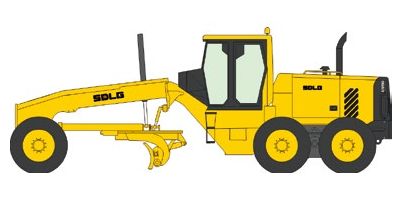 Motor Grader
 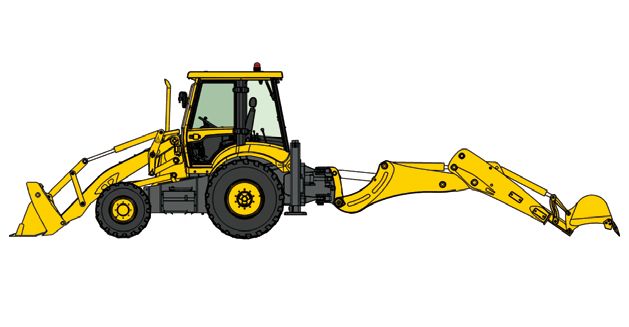 Backhoe Loader
 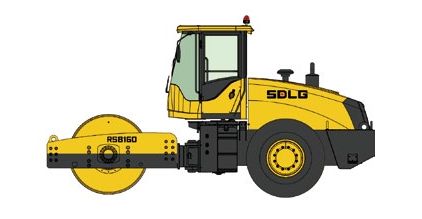 Road Roller
 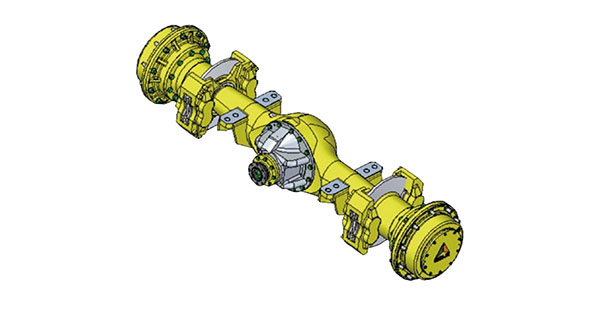 Spare Parts