China Best Construction Machines for Efficient Building Solutions?
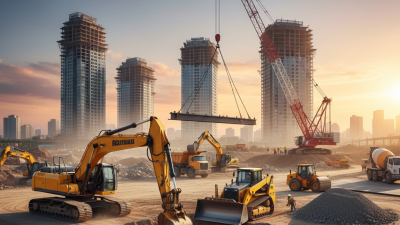
In the rapidly evolving construction landscape, the demand for advanced Construction Machines is surging. A report by the Global Construction Machinery Market anticipates a compound annual growth rate (CAGR) of over 7% in the coming years. This rise highlights the necessity for efficient and innovative building solutions. Experts like Dr. Jane Liu, a renowned authority in construction technology, emphasize that "the future of construction depends on leveraging smarter machinery."
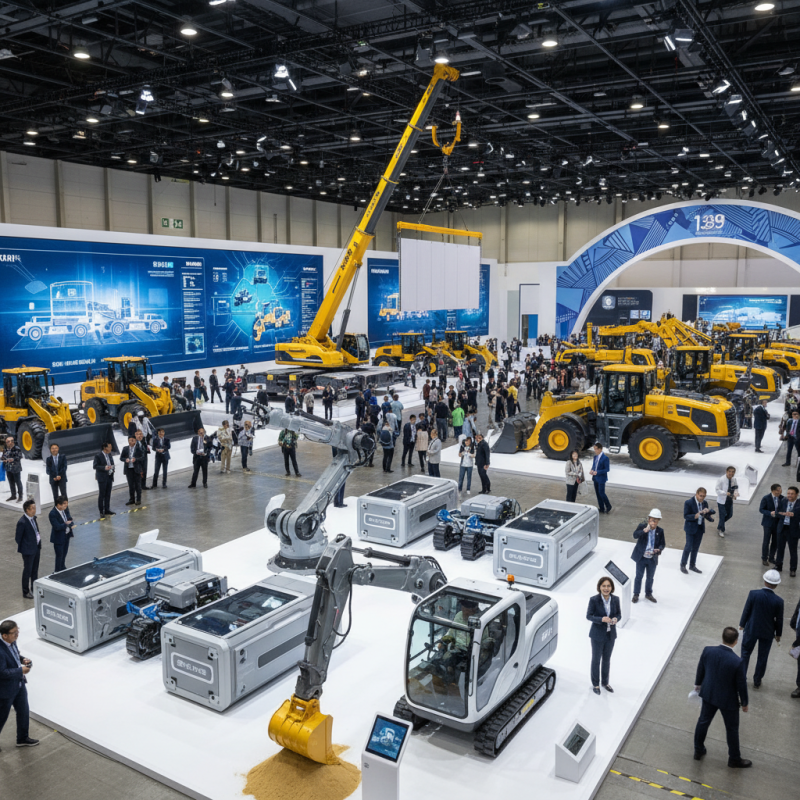
At the upcoming 139th China Import and Export Fair, manufacturers will showcase cutting-edge construction machines, focusing on advanced manufacturing and materials. The integration of AI technology for supplier selection reflects a significant shift towards efficiency. With over 1.55 million square meters of exhibition space, exhibitors must present solutions that meet the rigorous demands of the industry. However, the reliance on technology raises questions about the adaptability of traditional practices in construction.
To thrive, companies need to balance innovation with practical application. Crafting machines that support modular building solutions may be the key to success. As construction becomes more complex, the ability to make choices quickly could distinguish leaders from followers in this competitive field.
China's Leading Construction Machinery Brands Overview
China is becoming a global hub for construction machinery. Research indicates that the country's growing expertise is evident in many sectors, including infrastructure and commercial developments. The demand for advanced construction machines has surged, driven by rapid urbanization. According to industry reports, the market size of construction equipment in China is projected to reach USD 60 billion by 2025. This growth highlights the importance of reliable machinery in carrying out efficient building solutions.
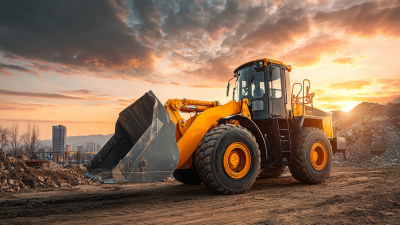
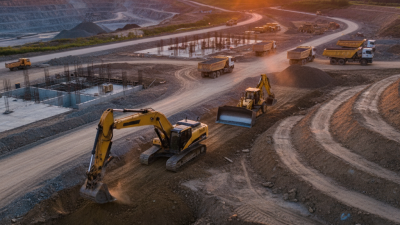
Chinese manufacturers offer a diverse range of construction machines. Excavators, loaders, and cranes are among the most essential for construction projects. Each machine plays a crucial role in enhancing productivity and reducing labor costs. However, there are challenges in quality control and standardization. Manufacturers must ensure that their machines meet global standards to compete effectively. This requires ongoing investment in research and development.
Tips: Always consider the machine's efficiency and durability. A machine may be cost-effective initially but lead to higher expenses in maintenance if it's not built well. Assess the after-sales support offered by manufacturers. This can often make or break the success of a project. Make informed decisions based on reliable data and feedback from users in the field.
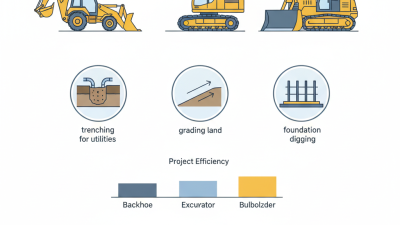
China's Construction Machinery Efficiency Overview
Innovative Technologies in Chinese Construction Equipment
The construction industry in China is evolving rapidly. Innovative technologies are transforming traditional building methods. A new wave of construction machines is enhancing efficiency on job sites. These machines reduce manual labor and speed up project timelines. Advanced equipment can now perform tasks previously deemed impossible.
One striking innovation is the introduction of autonomous machinery. These machines can navigate construction sites with minimal human intervention. However, reliance on automation raises concerns about job displacement. Still, the precision of these technologies can significantly decrease material waste. It's a double-edged sword that needs careful consideration.
The rise of smart construction technologies is impressive. Drones are now common for site monitoring and surveying. They offer high-resolution images and real-time data. Yet, integrating these technologies into existing workflows can be challenging. Training workers to adapt is essential for maximizing their potential. The balance between embracing innovation and maintaining job security is a complex issue. The future of construction in China is bright, but it requires thoughtful navigation.
Top Construction Machines for Various Building Applications
When it comes to construction, efficiency is key.
There are various machines designed for specific building applications.
Excavators are indispensable for digging foundations.
Their powerful arms can reach deep into the ground, making initial groundwork faster.
Yet, not all excavators are easy to operate.
Training is essential to avoid accidents and maximize their potential.
Concrete mixers play a vital role in construction projects.
They ensure that concrete is mixed uniformly.
A well-mixed batch affects the quality of the structure.
However, some mixers can be tricky to use. If not watched carefully, the concrete can dry before it’s poured.
This results in wasted material and time.
Forklifts are crucial for transporting materials on-site.
They can lift heavy loads, making movement easy.
However, overcrowded workspaces can lead to collisions and mishaps.
Operators need to remain vigilant.
Good communication among team members is necessary.
Ultimately, the right equipment can make a significant difference, but proper training and attention are essential for safety and efficiency.
Future Prospects of Construction Equipment Manufacturing in China
The future of construction equipment manufacturing in China appears promising. According to a recent industry report, the construction machinery market is projected to grow at a compound annual growth rate (CAGR) of 5.6% from 2023 to 2028. This growth is driven by increasing infrastructure projects and urbanization.
China's focus on smart construction technologies also shapes the industry’s future. Automation and advanced manufacturing techniques are becoming essential. A study highlights that over 30% of construction firms are investing in smart machinery to improve efficiency. This trend is helping enhance productivity while potentially reducing labor costs.
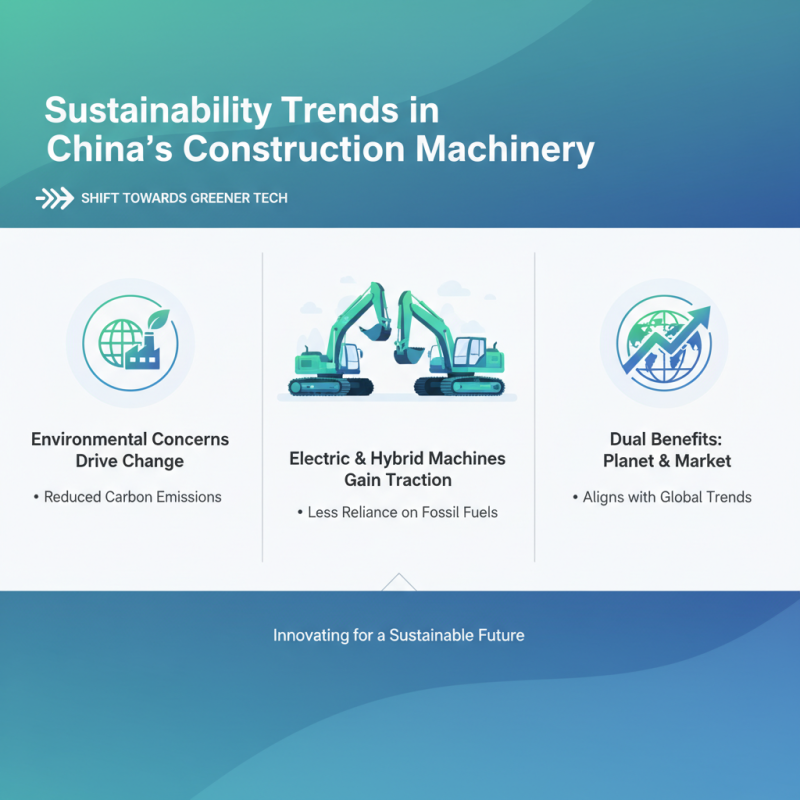
However, challenges exist. Environmental concerns related to construction activities need addressing. Machinery emissions and resource consumption are critical issues. The industry must balance growth with sustainability. Embracing greener technologies and practices will be vital for long-term success. This involves rethinking traditional manufacturing processes and finding innovative solutions. The road ahead is promising but requires thoughtful reflection and adaptation.
China Best Construction Machines for Efficient Building Solutions
| Machine Type |
Efficiency Rating |
Power Output (HP) |
Fuel Consumption (L/hr) |
Operating Weight (Kg) |
| Excavator |
High |
150 |
10 |
8000 |
| Bulldozer |
Medium |
200 |
12 |
9500 |
| Concrete Mixer |
High |
100 |
8 |
5000 |
| Crane |
Very High |
250 |
15 |
12000 |
| Loader |
Medium |
180 |
11 |
9000 |

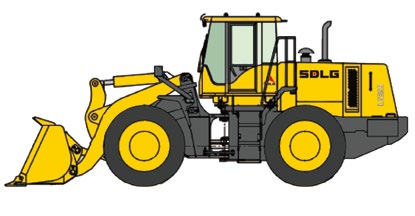 Wheel Loader
 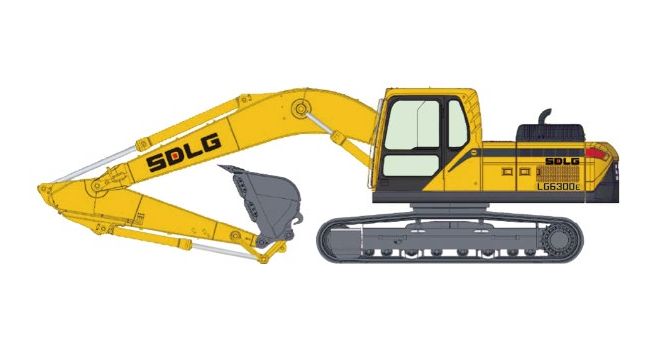 Excavator
 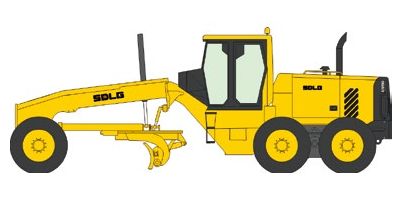 Motor Grader
 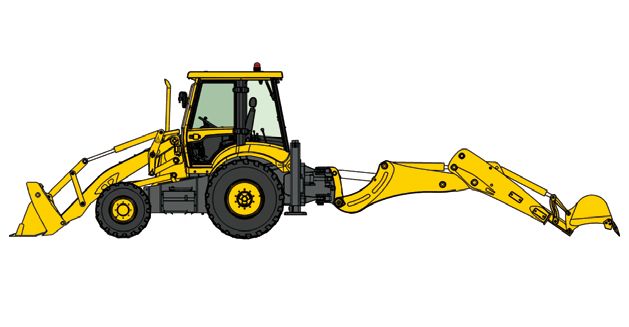 Backhoe Loader
 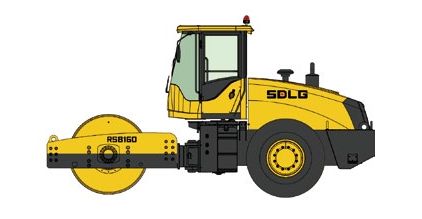 Road Roller
 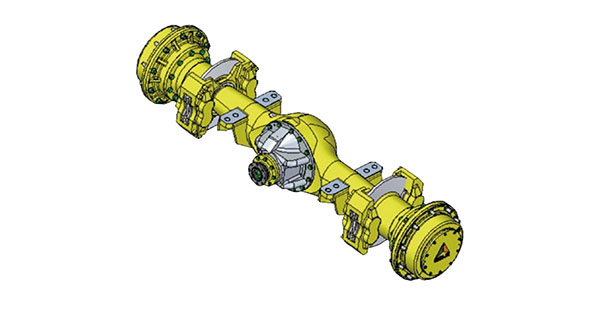 Spare Parts