2026 How to Choose the Best Excavator Parts for Your Needs?
Choosing the right excavator parts is crucial for optimal machine performance. The quality and compatibility of these components directly affect productivity. Factors such as wear and tear, durability, and manufacturer reputation play significant roles in decision-making.
Excavator parts come in various types, each serving specific functions. From buckets to hydraulic components, selecting the right part can be overwhelming. Many buyers underestimate the importance of genuine parts, risking future operational issues.
When evaluating options, consider your specific needs and project demands. Not all parts are created equal, and cheaper alternatives may lead to costly failures. Investing in high-quality excavator parts is essential for long-term success. Be aware of the sources you trust and ensure they have a reliable track record.
Understanding the Different Types of Excavator Parts Available
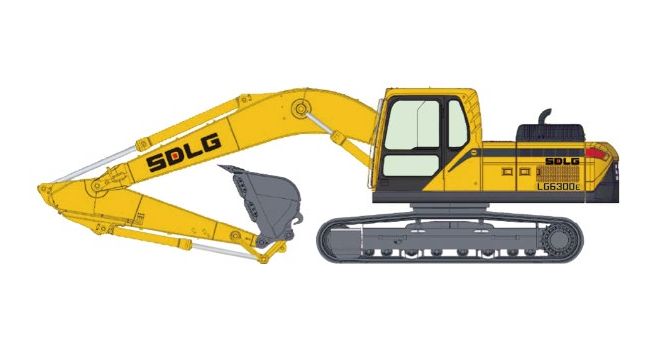
Choosing the right excavator parts can be daunting. Understanding the various types of parts available is crucial. Excavators have numerous components, each serving a unique function. The most common parts include buckets, booms, arms, and tracks. Each type varies in size, material, and attachment options.
Buckets are essential for digging and moving materials. There are different styles, such as digging buckets and cleanup buckets, suitable for specific tasks. Booms and arms determine the reach and maneuverability of the excavator. Selecting the right length is vital for your project needs.
Tips: Always consider the operating conditions. Harsh environments may require more robust materials. Regular maintenance of parts ensures longevity. Investing in quality components can save costs over time. Reflect on past projects. Did specific parts underperform? Learning from those experiences can guide better choices in the future. Remember, the best fit depends on your specific operations and budget constraints.
Assessing Compatibility: Matching Parts to Your Excavator Model
When choosing excavator parts, compatibility is crucial. Each excavator model has specific requirements. Matching parts to your machine ensures optimal performance. Many operators overlook this aspect, which can lead to costly mistakes. Always check compatibility before purchasing.
Using an incorrect part can affect the excavator's efficiency. It may lead to premature wear and even potential safety hazards. Research the specifications of your model. Consult manuals and manufacturer guidelines for accurate information. Taking these steps can save you time and money.
Many users sometimes rush the selection process. They might choose based solely on price or availability. This can result in parts that don't fit or perform well. Take your time to evaluate your needs thoroughly. Consider factors such as soil conditions and typical job sites. Proper parts matching enhances productivity and prolongs machinery lifespan.
Evaluating Quality: Identifying Reliable Manufacturers and Brands
Choosing the right excavator parts is crucial for your machinery's performance. When evaluating quality, it’s essential to identify reliable manufacturers and brands. Industry reports indicate that quality components can improve efficiency by up to 30%. This highlights the importance of sourcing parts from reputable suppliers.
Look for manufacturers with a solid track record. Research those who have been in the industry for over ten years. They often have proven practices and standards. Certifications play a vital role too. Companies with ISO certification are generally more reliable. However, beware of newer or lesser-known brands boasting low prices. They might compromise on material quality and durability.
Reading customer reviews can be insightful. Pay attention to feedback regarding longevity and performance. Aim to source parts that have a warranty support system. Some reports suggest that up to 40% of machinery failures are due to subpar components. Thorough research can help mitigate this risk. Always question the reliability of your sources and consider potential trade-offs in your decisions.
2026 How to Choose the Best Excavator Parts for Your Needs?
| Part Category |
Material Quality |
Manufacturing Standards |
Warranty Period |
Price Range ($) |
| Boom |
High Strength Steel |
ISO 9001 Certified |
12 Months |
3000 - 8000 |
| Bucket |
Abrasion Resistant Steel |
ASME Standards |
12 Months |
2000 - 6000 |
| Hydraulic Pump |
Aluminum Alloy |
ISO 14001 Certified |
18 Months |
1500 - 4500 |
| Track Shoes |
Cast Steel |
DIN 9001 Standard |
6 Months |
500 - 1500 |
| Swing Motor |
High-Performance Cast Iron |
OHSAS 18001 Certified |
24 Months |
2500 - 7000 |
Cost Considerations: Budgeting for Excavator Parts Without Compromising Quality
When budgeting for excavator parts, quality should never be sacrificed. It’s important to understand the market value of the parts you need. Explore various suppliers to compare prices and options. The goal is to find dependable components that fit your financial plan. Doing thorough research can lead to long-term savings.
Consider the type and frequency of use for your excavator. If you use your machine daily, investing in higher-quality parts might be wise. Cheaper options may seem appealing, yet they often lack durability. This can result in higher replacement costs later on. Reflect on your operational needs. Sometimes, spending a little more upfront can save you money in the long run.
Be wary of deals that sound too good to be true. They often come with hidden costs. It's essential to evaluate warranties and return policies too. A reliable guarantee means the supplier stands behind their product. Weighing all factors carefully will help you make the best decision for your excavator needs. Finding the balance between cost and quality requires patience and good judgment.
Maintenance Tips: Extending the Lifespan of Your Excavator Parts
Maintaining excavator parts is crucial for longevity and performance. Regular inspections can help you identify wear and tear. Check for leaks, cracks, and abnormal noises. These signs can indicate potential issues that need immediate attention. Cleaning parts after use can prevent dirt and grime buildup, which shortens their lifespan.
Investing in quality lubricants is essential. Proper lubrication minimizes friction, which reduces wear. Always follow the manufacturer's guidelines for oil changes. Over time, different components might require replacement. Monitoring the condition of hydraulic hoses is key. Cracks can lead to failures, impacting overall machine performance.
Training operators is often overlooked. Experienced operators can recognize when something isn’t right. Encourage regular feedback from them about the equipment. This creates a culture of care and awareness. Sometimes, parts may wear faster than expected. Analyzing usage patterns can provide insights into how to improve equipment management.
Excavator Parts Maintenance and Lifespan Data

 Wheel Loader
  Excavator
 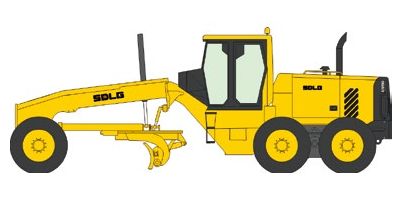 Motor Grader
 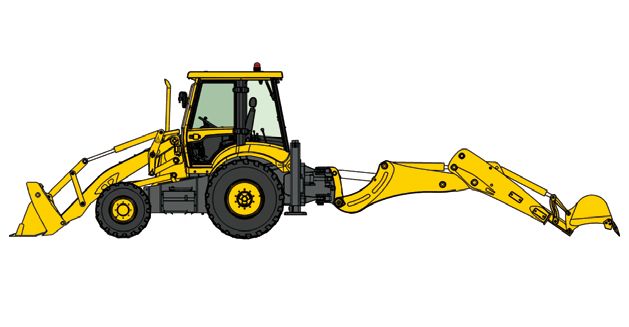 Backhoe Loader
 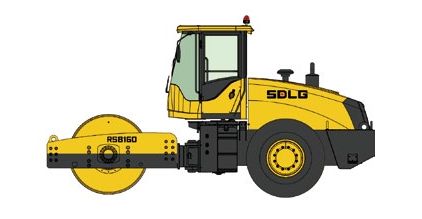 Road Roller
 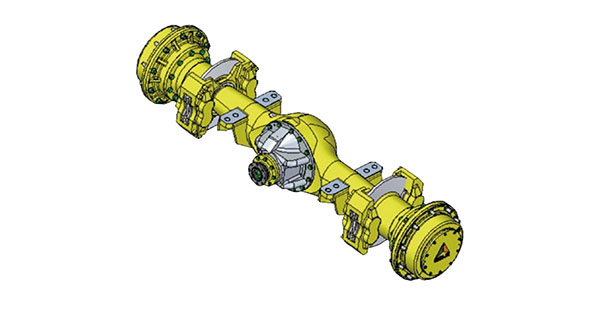 Spare Parts