How to Choose the Right Construction Trucks for Your Project?
Choosing the right Construction Trucks can significantly impact project efficiency. A report from the Associated General Contractors states that up to 40% of construction delays are linked to poor equipment choices. Selecting suitable trucks is vital for on-site performance and meeting deadlines.
Different Construction Trucks serve various purposes. For example, dump trucks excel in material transportation, while flatbed trucks are ideal for carrying heavy machinery. Each type offers distinct advantages that can enhance productivity. However, many projects suffer from using the wrong trucks. The cost of underperformance can be substantial, leading to budget overruns and wasted time.
Reflecting on industry trends, a recent survey revealed that 70% of companies did not invest in the right vehicles for their needs. This oversight mostly stems from a lack of understanding of project requirements. Coordinating the right equipment with the specific demands of a construction project requires careful planning and consideration.
Factors to Consider When Choosing Construction Trucks
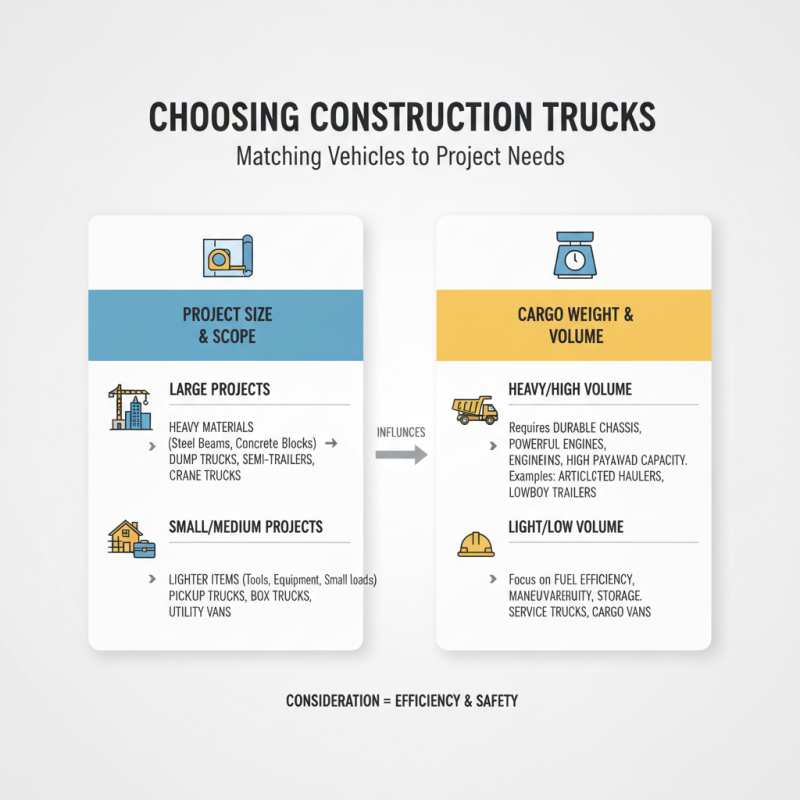
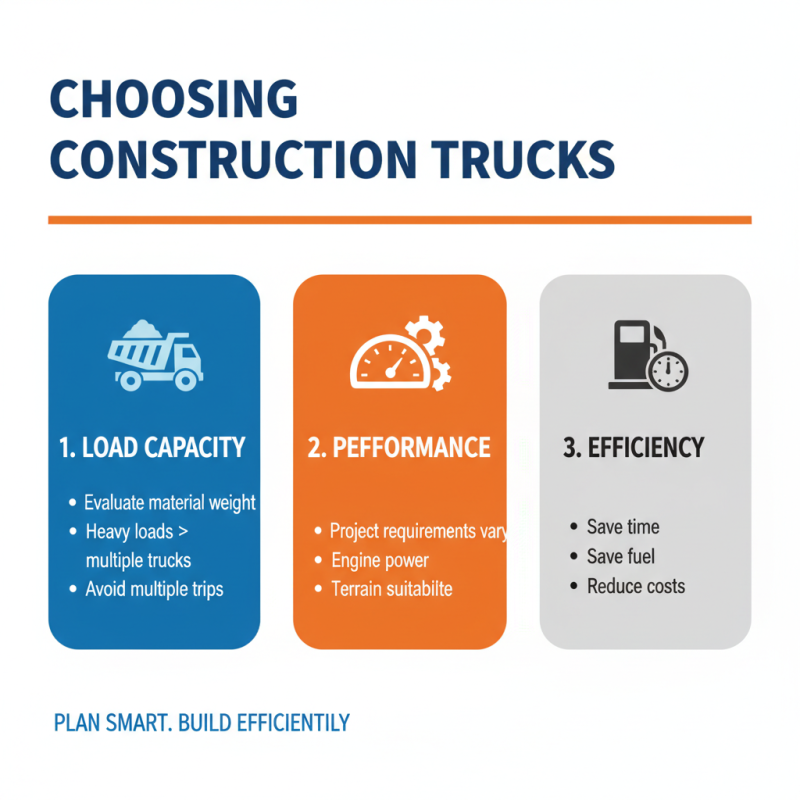
Choosing the right construction trucks for your project requires careful thought. Start by assessing the project's size and scope. Will you move heavy materials like steel beams? Or transport lighter items, such as tools and equipment? The weight and volume of your cargo directly influence the type of truck needed.
Consider the terrain. Are you working on a rugged job site with uneven ground? A truck with four-wheel drive might be essential. Also, evaluate the delivery locations. Narrow alleys or tight spaces could limit your options. Additionally, reflect on fuel efficiency. Trucks can consume a lot of fuel, which impacts overall costs.
Don't overlook maintenance needs. Trucks require regular servicing. Some models may have easily accessible parts, while others may not. This can lead to downtime and affect project timelines. Finally, look into the driver’s comfort. A well-designed cab can help reduce fatigue during long hours of operation. Balancing all these factors will complete your truck selection process.
Types of Construction Trucks and Their Suitable Uses
Choosing the right construction trucks involves understanding the specific types available and their uses.
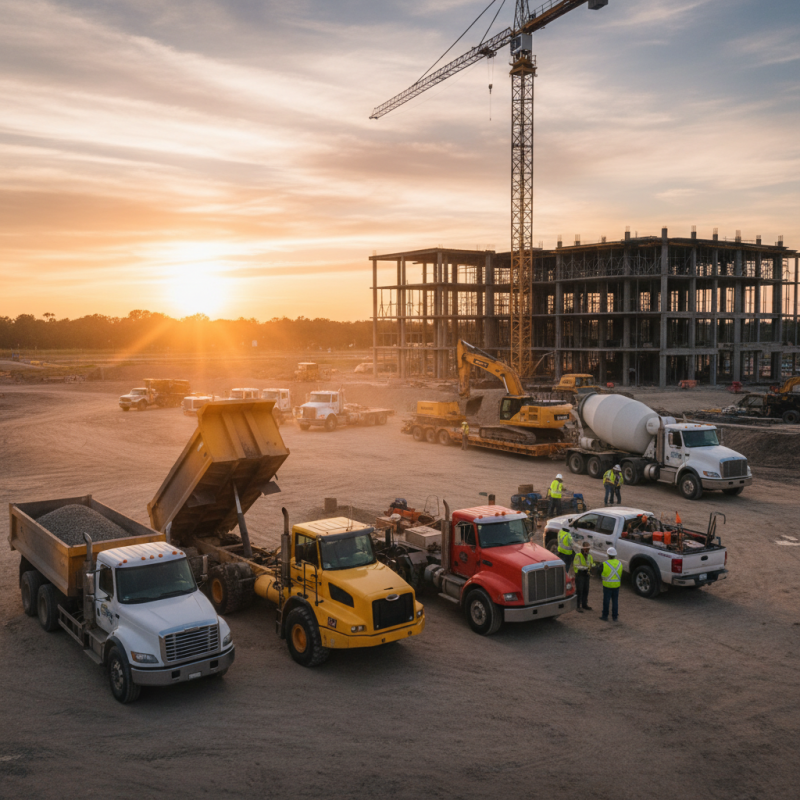
Dump trucks are essential for transporting loose materials on site. They are efficient for jobs that require moving aggregates, soil, or debris. An industry report indicates that 70% of construction projects rely heavily on dump trucks for material handling.
Flatbed trucks are another versatile option. They can carry heavy equipment, building materials, or oversized loads. The open design allows for easy loading and unloading, which saves time. However, securing the load properly is crucial. Failing to do so can lead to accidents or material loss.
Concrete mixers play a critical role when pouring foundations or slabs. They blend concrete on-site, ensuring the right consistency. This is important because the quality of the mix can directly affect the project's success. Some studies show that improper mixing can decrease structural integrity by up to 20%. Every choice in truck type affects productivity and safety. It's necessary to evaluate job requirements carefully. Without this reflection, inefficiencies may arise, resulting in delays and increased costs.
Assessing Terrain and Job Site Conditions
When choosing the right construction trucks, assessing the terrain and job site conditions is crucial. Start by examining the site's surface. Is it rocky, muddy, or flat? The right truck will depend on this aspect. If the ground is uneven, a sturdy, all-terrain vehicle may be necessary. This can prevent costly delays caused by vehicle malfunctions.
Consider the slope of the job site as well. Steep grades can affect a truck's performance. A vehicle with better traction and power will be essential for navigating such terrain. However, sometimes, heavier trucks can struggle even on moderate inclines. This highlights the need for careful selection. Evaluate the site conditions thoroughly, and ensure the truck matches these requirements.
Finally, think about the potential for unpredictable weather. Rain or snow can turn a manageable site into a challenging one. Be prepared for these changes, as they can demand different vehicle capabilities. Reflect on past projects and their challenges. Each job site is unique, and an adaptable approach to vehicle selection will make a significant difference in project success.
Cost Considerations and Budgeting for Construction Trucks
When budgeting for construction trucks, cost considerations play a pivotal role. According to recent industry reports, the average cost of a medium-duty construction truck ranges from $30,000 to $50,000. This amount can be daunting for project managers. Additional expenses include insurance, maintenance, and fuel. Collectively, these can add an extra 15-20% to overall costs.
It’s crucial to define your project needs clearly. Will you require trucks primarily for transportation or heavy lifting? Knowing this helps avoid overspending on features you may not need. A 2022 analysis showed that many companies regret purchasing vehicles with unnecessary specifications, indicating a misalignment between project requirements and truck capabilities.
Consider financing options available in the market. Many contractors opt for leasing due to its lower immediate costs. However, leasing can lead to higher long-term expenditures. A careful assessment of each option’s financial implications is essential. Many contractors end up wishing they had sought more flexible financing solutions that could have saved money. Balancing current capabilities with future needs is a continuous challenge.
How to Choose the Right Construction Trucks for Your Project? - Cost Considerations and Budgeting for Construction Trucks
| Truck Type |
Max Load Capacity (lbs) |
Average Cost ($) |
Fuel Efficiency (mpg) |
Maintenance Cost/Year ($) |
| Dump Truck |
15,000 |
45,000 |
10 |
1,200 |
| Flatbed Truck |
20,000 |
50,000 |
12 |
1,000 |
| Concrete Mixer Truck |
30,000 |
75,000 |
8 |
1,500 |
| Water Tank Truck |
10,000 |
40,000 |
15 |
900 |
| Refrigerated Truck |
12,000 |
65,000 |
9 |
1,000 |

 Wheel Loader
  Excavator
 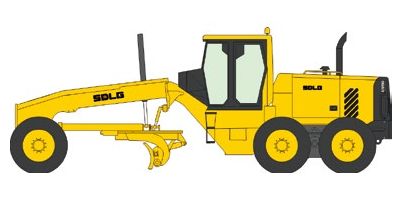 Motor Grader
 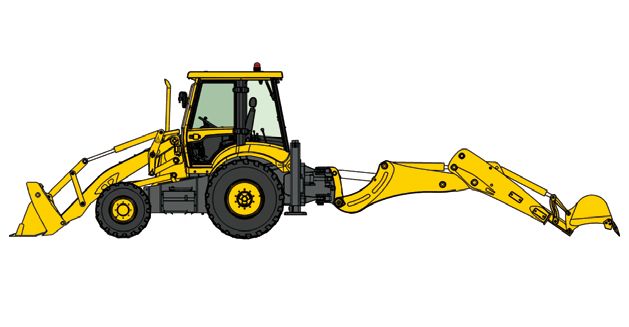 Backhoe Loader
 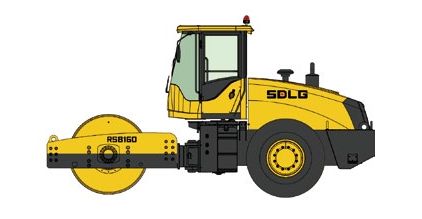 Road Roller
 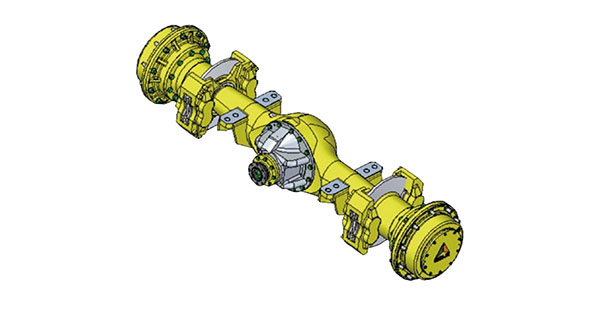 Spare Parts