How to Choose the Right Excavation Equipment for Your Project?
When it comes to construction, selecting the right excavation equipment is crucial. John Smith, an industry expert, emphasizes, “Choosing the right tools can make or break a project.” Different projects require different methods and machinery. The right equipment ensures efficiency and safety on the job site.
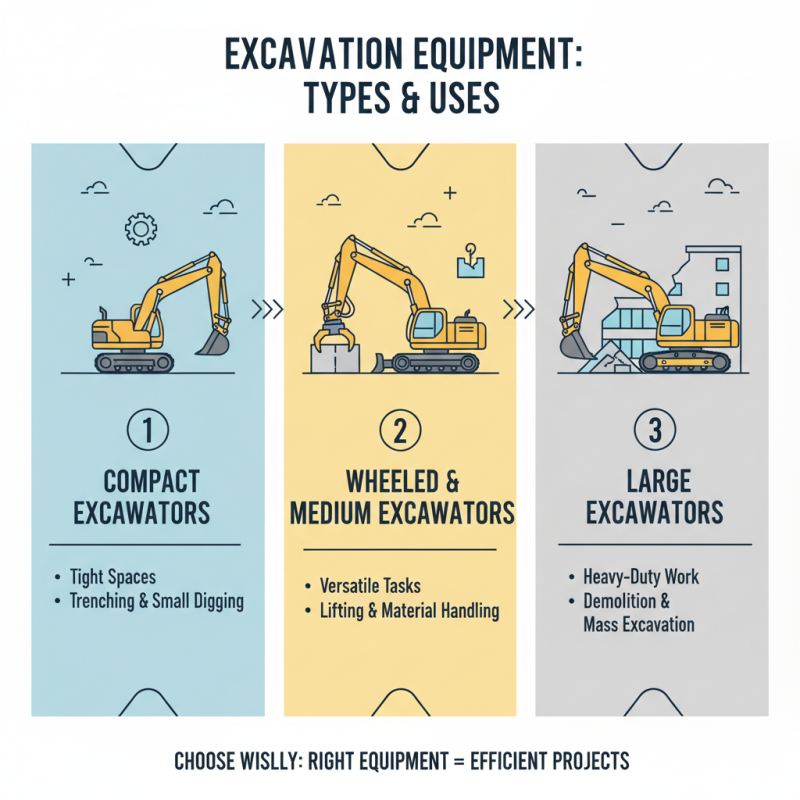
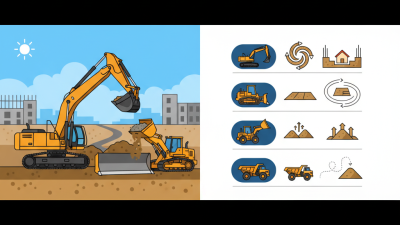
Excavation equipment includes diggers, backhoes, and trenchers. Each has unique benefits based on the project size and soil type. For instance, a mini-excavator is perfect for tight spaces, while a large excavator is ideal for heavy-duty tasks. However, not all equipment is suitable for every job. It’s essential to match the equipment to the specific project needs.
Consider the project’s scale and timeline. Often, contractors rush into equipment decisions, leading to complications. The wrong choice can result in delays and increased costs. Therefore, careful assessment is necessary. Take the time to evaluate your options. Understanding your excavation equipment choices will contribute to a successful project outcome.
Understanding Different Types of Excavation Equipment and Their Uses
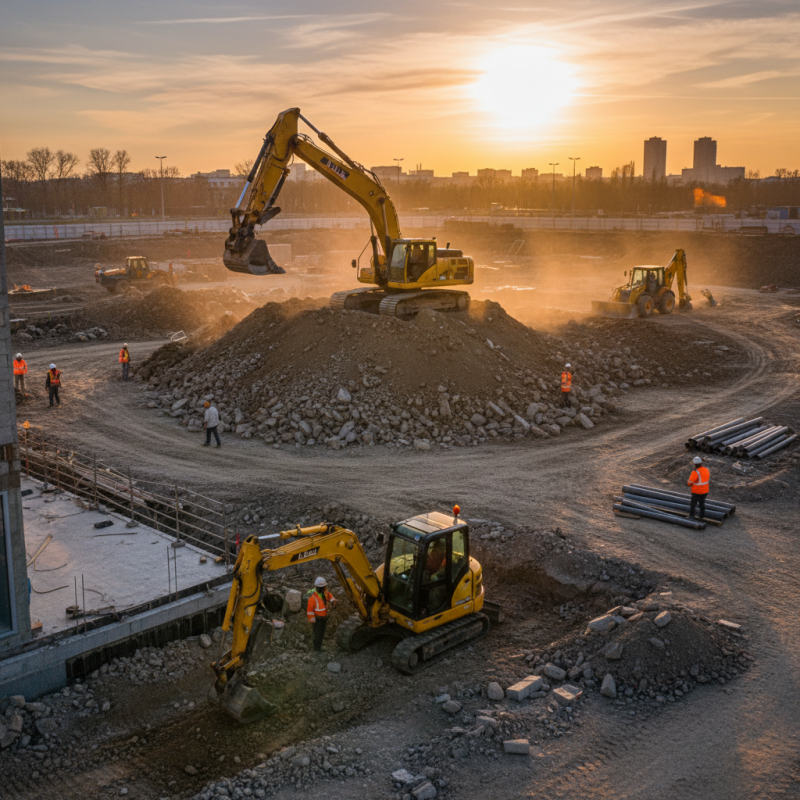
When choosing excavation equipment, understanding the different types is crucial. Each type serves specific functions, and selecting the wrong one can lead to project delays. For instance, excavators are versatile and can handle various tasks, including digging trenches, lifting heavy materials, and even demolishing structures. They come in various sizes, from compact to large-scale models, catering to different project requirements.
Backhoes are another option. They are particularly effective for small to medium-sized tasks. The front loader can scoop materials, while the backhoe digs deep holes. This dual function makes backhoes a popular choice for residential projects. However, their size can be limiting in tight spaces.
Tip: Always assess the project site. Look for space constraints and the type of soil. This can dramatically influence the effectiveness of your chosen equipment.
Skid steers are small yet mighty. They are perfect for landscaping or tight residential areas. Their attachments can be switched out easily, making them adaptable. But be wary; they can be less stable on uneven ground.
Tip: Renting equipment is an option. It allows for flexibility and minimizes overhead costs. But remember to ensure the rental meets your project's specifications.
Key Factors to Consider When Selecting Excavation Equipment for Projects
Choosing the right excavation equipment is crucial for the success of any project. Various factors come into play when making this decision. The size of the site matters. Large areas may require heavy-duty machinery, while smaller sites might benefit from compact equipment. Additionally, soil type is an essential consideration. Soft soils can be managed with different tools than rocky terrains.
Cost is another key factor. Equipment rental can quickly add up. It’s essential to evaluate the project's budget before deciding. Maintenance considerations can affect long-term costs too. Some machines demand more upkeep, which could lead to unexpected expenses later.
Furthermore, reflect on operator skill levels. Not every machine is easy to handle. Ensuring that the team is qualified can save time and prevent accidents. Lastly, project timelines should drive equipment choices. Rushed decisions often lead to poor equipment selection. Taking the time to assess all these factors is vital for smooth operations.
Evaluating Project Size and Terrain: Impact on Equipment Choice
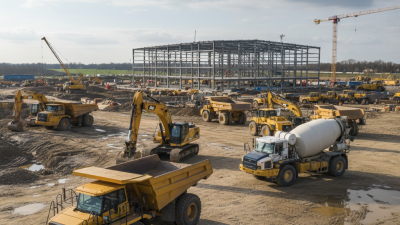
When choosing excavation equipment, the project's size and the terrain play crucial roles. Larger projects often require heavier machinery for efficiency. A small backyard dig may only need a compact excavator, while a massive construction site might require several bulldozers and excavators working together.
Terrain also affects the choice. Flat surfaces allow for more versatile equipment. In contrast, rocky, hilly, or uneven terrain might necessitate specialized machines like tracked excavators. These can traverse difficult ground better than wheeled options.
Tips: Always assess the site before making a decision. Bring in a site surveyor to identify any potential issues. Consider hiring equipment on a trial basis before committing. This ensures it handles the terrain effectively. If you're working on a project with fluctuating needs, flexible options are essential. This may require organizing different types of tools throughout the project's lifecycle. Evaluate your choices to ensure they align with the project's demands and challenges.
Analyzing Cost-Effectiveness of Excavation Equipment Options
When analyzing cost-effectiveness, consider various excavation equipment options for your project. Each type serves a different purpose, affecting both budget and performance. Mini-excavators can be affordable, fitting into tight spaces. However, they might lack the power needed for larger tasks. Weighing these factors is crucial.
Tips: Assess your project size. A larger site may need a full-sized excavator, despite the higher cost. Look for options that provide good fuel efficiency. Saving on fuel can significantly reduce overall expenses.
Another factor is rental versus buying. Renting can seem economical at first. But for long-term projects, purchasing may be more cost-effective. It is essential to evaluate usage frequency and duration. Think about maintenance costs too. Sometimes, older equipment may require more repairs, leading to unexpected costs.
Tips: Create a budget that includes potential maintenance. Search for additional costs before deciding on equipment. Consider how long you expect to need the machinery. This reflection can affect long-term financial decisions.
Cost-Effectiveness Analysis of Excavation Equipment
Safety Standards and Regulations Affecting Excavation Equipment Selection
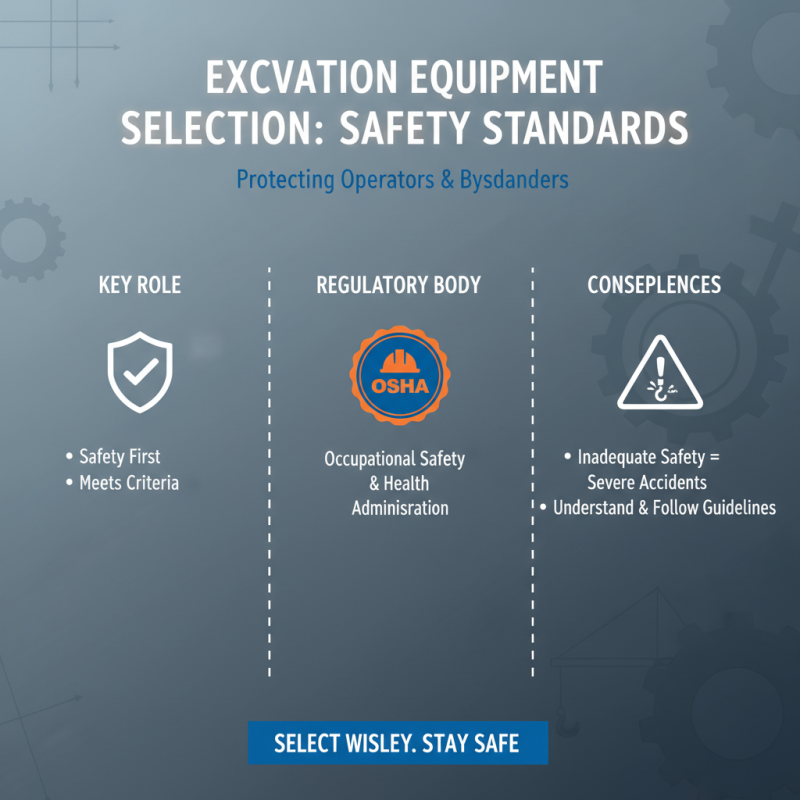
When selecting excavation equipment, safety standards play a crucial role. Regulations ensure that machinery meets certain criteria to protect operators and bystanders. According to the Occupational Safety and Health Administration (OSHA), inadequate safety measures can lead to severe accidents on site. It’s essential to understand the guidelines set forth by OSHA when choosing equipment.
Different projects may have varying safety requirements. For instance, a construction site may need more robust safety features than a landscaping project. The American National Standards Institute (ANSI) outlines specific safety requirements for excavators and other heavy machinery. These include visibility, protective structures, and emergency response protocols. Failing to adhere to these standards can result in penalties and increased risk of injury.
Before making a purchase, consider the specific safety aspects required for your project. Look for equipment that has safety certifications. It’s best to choose machinery designed to minimize risks. For example, models with automatic shut-off features can provide an extra layer of safety. Always reassess your choices; even minor details can significantly impact worker safety on-site.

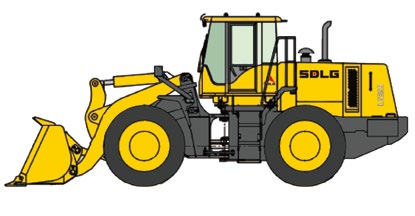 Wheel Loader
 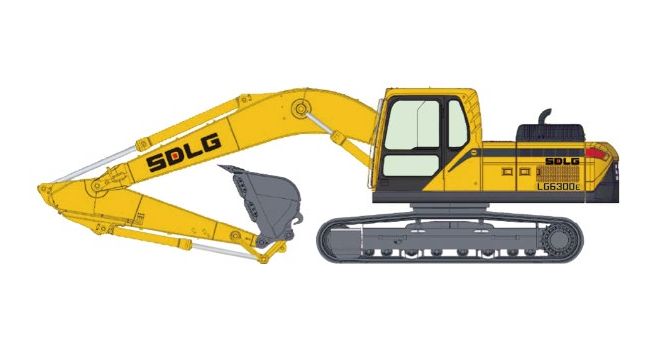 Excavator
 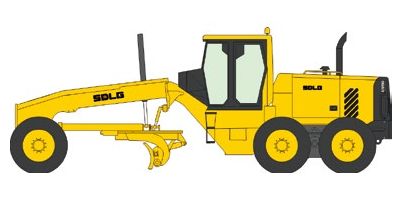 Motor Grader
 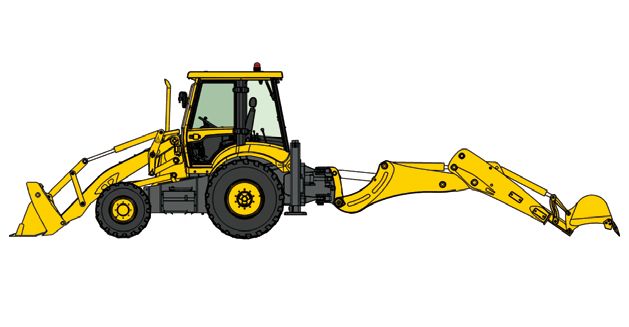 Backhoe Loader
 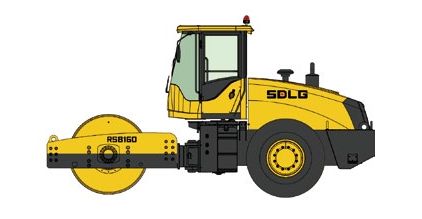 Road Roller
  Spare Parts