2026 How to Choose the Best Compact Wheel Loader for Your Needs?
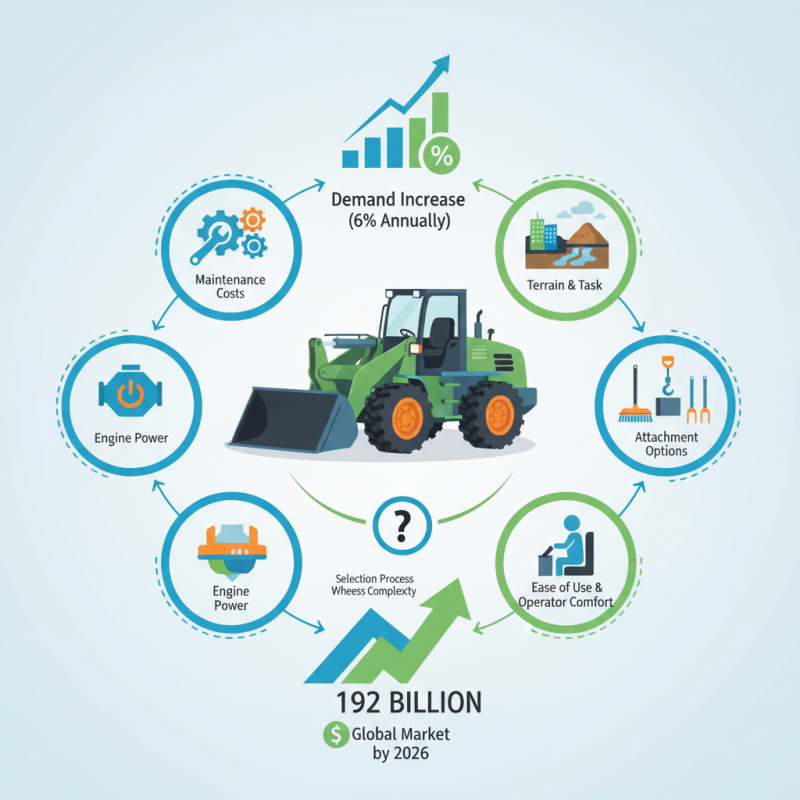
Choosing the right Compact Wheel Loader is critical in today’s competitive market. With the global construction equipment market projected to reach $192 billion by 2026, compact wheel loaders are becoming increasingly vital. These machines excel in urban environments and tight spaces, where versatility and efficiency are paramount.
Recent industry reports indicate that compact wheel loaders will see a demand increase of approximately 6% annually. Yet, selecting the right model can be challenging. Factors such as engine power, lifting capacity, and attachment options should be considered. Many buyers overlook maintenance costs, which can impact long-term ownership.
Evaluating your specific needs is essential. Not all compact wheel loaders are created equal. Research reveals that 70% of operators prioritize ease of use and operator comfort. However, performance often depends on the terrain and task. This adds complexity to the selection process, making careful assessment necessary.
Understanding Compact Wheel Loaders: Key Features and Benefits
Compact wheel loaders are versatile machines that excel in various tasks. They typically feature a small turning radius. This allows them to work well in tight spaces. Operators often appreciate their maneuverability on construction sites and landscaping projects. The powerful hydraulic systems found in many models enhance their lifting capabilities. This feature can significantly boost productivity.
When choosing a compact wheel loader, consider the machine's weight and stability. Heavier models tend to offer better stability. However, they may not fit into all job sites. Pay attention to the loader's attachment options as well. Some loaders allow for various attachments like forks, buckets, and brooms. This flexibility can expand their functionality.
Reflect on your specific needs before making a decision. Assess the types of projects you will tackle. You might find that certain features are more beneficial than others. Efficiency matters, but so does ease of use. A complex control system may cause difficulties for new operators. Identifying these aspects early can save time and frustration later on.
2026 How to Choose the Best Compact Wheel Loader for Your Needs?
| Feature | Description | Benefits |
| Operating Weight | Range typically from 4,000 to 10,000 lbs | Optimal balance between power and maneuverability |
| Horsepower | Varies from 30 to 100 HP | Enhanced productivity in various applications |
| Bucket Capacity | Standard buckets range from 0.5 to 2.5 cubic yards | Allows for efficient material handling |
| Turning Radius | Tight turning radius, typically around 5-7 ft | Increased maneuverability in tight spaces |
| Lift Height | Lift heights generally range from 8 to 16 ft | Ability to reach high stacks and load trucks |
| Attachments | Compatible with various attachments like forks, brooms, and grapples | Versatility for different jobs and tasks |
Assessing Your Project Requirements: Size, Weight, and Capacity Considerations
When considering a compact wheel loader, project requirements play a crucial role. Size is a primary factor. A compact loader generally weighs between 3,000 to 12,000 pounds. This weight range affects maneuverability in tight spaces. For instance, a loader that is too heavy might not be suitable for residential projects. In contrast, a lighter model can navigate easily but may lack lifting power.
Capacity also matters greatly. Depending on the task, you may need different bucket sizes. Loaders typically have bucket capacities ranging from 0.5 to 2.5 cubic yards. If you're working on landscaping, a smaller bucket might suffice. For larger excavation tasks, opt for a higher capacity. According to industry reports, 70% of operators have faced challenges due to miscalculated capacity needs. Evaluating your needs carefully can prevent these setbacks.
Weight distribution is another aspect that often gets overlooked. An unbalanced machine can lead to accidents or inefficiencies. It's vital to assess the soil type and load variations you'll encounter. A study indicates that over 60% of equipment failures are related to improper weight management. Making informed decisions based on specific project requirements can significantly enhance your efficiency and safety.
Evaluating Engine Power and Fuel Efficiency of Compact Wheel Loaders
When choosing a compact wheel loader, engine power and fuel efficiency are critical factors. Engine power directly impacts performance. For instance, many compact wheel loaders feature engines ranging from 50 to 100 horsepower. This range allows for versatile applications across various job sites. However, it’s key to assess whether the engine power truly meets your needs. Choosing an engine too powerful may waste fuel and increase operating costs.
Fuel efficiency is another important consideration. Recent studies show that the average fuel consumption for compact wheel loaders can vary. Many report consumption figures between 2 to 4 gallons per hour. However, this can differ based on load and terrain conditions. Operating on hilly terrain can significantly increase fuel usage. Understanding the specific tasks ahead can help maximize fuel efficiency.
Some loaders now integrate advanced technologies to enhance fuel savings. Eco-modes can reduce engine power when less force is needed. While these features are beneficial, they may not always deliver the expected savings depending on your operations. Evaluating real-world performance data and customer testimonials is crucial. Ultimately, balancing engine power and fuel efficiency is vital for operational cost-effectiveness.
Importance of Attachments: Maximizing Versatility and Functionality
When choosing a compact wheel loader, the significance of attachments cannot be underestimated. Attachments enhance the machine's versatility. They allow operators to perform various tasks, from digging to lifting. A simple bucket can transform into a grapple or a fork. This adaptability can lead to increased efficiency on the job site.
Many users overlook this critical aspect. They focus solely on the loader's base features. But a well-chosen attachment can save time and effort. For example, an auger can help in landscaping tasks, while a snow blower aids in winter maintenance. Consider the specific tasks you need to accomplish. This will guide your attachment selection.
It's also important to assess attachment compatibility. Not all attachments fit every loader model. Researching which attachments suit your machine is essential. Sometimes an attachment that seems perfect may fall short in real-world applications. Thus, it’s wise to think critically about your needs and the tasks at hand. Adaptability is key in making the most of your compact wheel loader.
Budgeting: Cost Considerations and Long-term Value of Your Purchase
When budgeting for a compact wheel loader, consider both the initial purchase price and long-term value. The upfront cost often grabs attention, but maintenance, fuel efficiency, and resale value matter too. Look for loaders that offer a balance between price and features.
Tips: Estimate ongoing expenses. Factor in fuel, maintenance, and insurance costs. This helps determine your total operating budget. Resale value can significantly impact your overall return. Research market demand for compact wheel loaders in your area.
Don't overlook financing options. Some might find higher interest rates lead to a heavier burden down the line. Understand your financial limits before committing. Analyze how different models impact your cash flow. Would a pricier model actually save you money in repairs?
Consider flexibility. A slightly more expensive loader could increase productivity, offsetting the initial cost. In some cases, opting for a used model might seem frugal, but repair costs can pile up. Reflect on your particular use case, as it often leads to surprising insights into what you truly need vs. want.

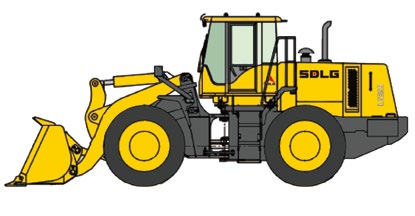 Wheel Loader
 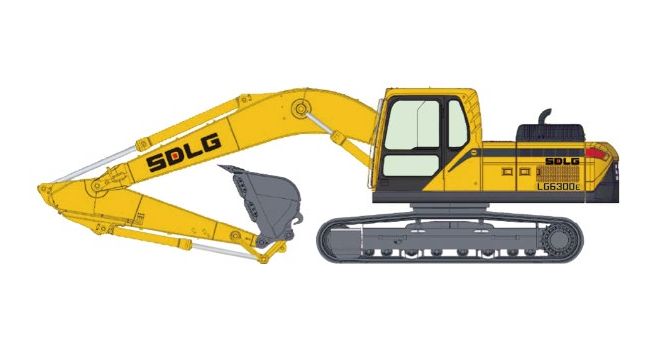 Excavator
 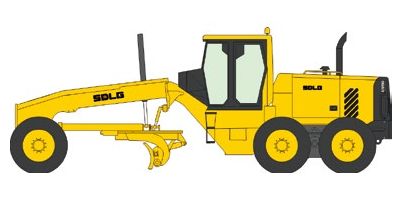 Motor Grader
  Backhoe Loader
  Road Roller
  Spare Parts