
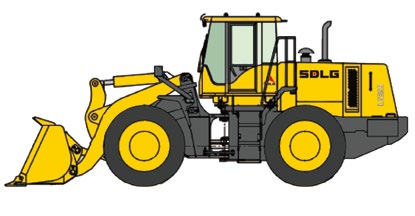
 Wheel Loader
 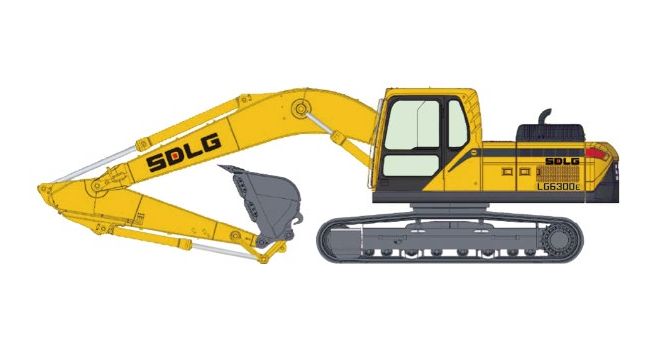 Excavator
 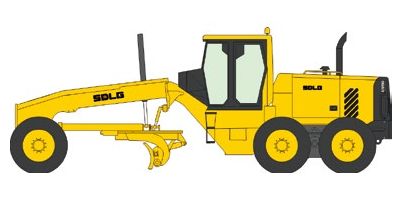 Motor Grader
 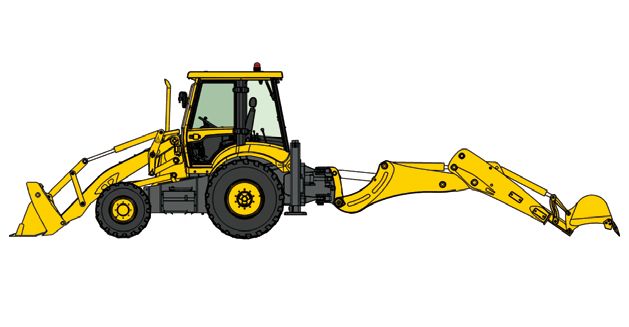 Backhoe Loader
  Road Roller
  Spare Parts
 Leave Your Message
A broken excavator can bring a jobsite to a standstill. A leaking hose, weak travel, or an engine warning may look simple, but diagnosing heavy equipment takes the right tools and practical experience. A Mobile Excavator Mechanic can often inspect and repair the machine at your site, saving the time and effort of arranging transport. The right choice depends on more than distance. That matters.
Start by searching with your town, equipment brand, and model. Check local repair-company websites, equipment-dealer referrals, and recent customer reviews. Look for technicians who service your type of excavator and describe their field capabilities clearly. Be specific. When you call, share the machine’s model, serial number if available, symptoms, warning codes, and exact location. A photo or short video can help the mechanic prepare, though it cannot replace an inspection.
Ask whether the technician has handled similar repairs, what the call-out and diagnostic fees cover, and how estimates are approved. Confirm expected arrival time, available parts, and any warranty on labor or replacement components. Clear answers are a useful sign of professional service, not a guarantee of a perfect repair. Not always. The nearest listing may lack the equipment or experience your machine needs, while a slightly farther technician may be better prepared. If the excavator shows a serious warning or behaves unpredictably, stop operating it and explain the issue when requesting help. A careful search takes a little time, but it can prevent a rushed choice and help get work moving again.

Before calling a mobile excavator mechanic, describe what the machine is doing, not just that it “won’t work.” Does the engine crank but fail to start? Does the boom move slowly only after the oil warms? Note warning lights, unusual smells, visible leaks, and changes in sound. A symptom is not a diagnosis. Record when it began and whether it happens under load, at idle, or intermittently. Small details matter. If safe, photograph the leak or dashboard warning without reaching near moving parts.
Gather the machine’s make, model, serial number, engine type, and hour-meter reading. Share recent repairs, service history, and any fault codes exactly as displayed. Tell the mechanic whether the excavator can travel, where it is parked, and whether access is limited by mud, slope, or low clearance. The U.S. Bureau of Labor Statistics’ Occupational Outlook Handbook projects about 28,500 annual openings for diesel service technicians and mechanics during 2024–34. That figure covers more than excavators, but it underlines why clear details help direct a call to the right expertise. I may still overlook an intermittent clue; write down what you observed before the machine cools or the warning disappears.
| Problem or Symptom | Useful Details to Record | Safe Initial Checks | Information to Give the Mobile Mechanic |
|---|---|---|---|
| Engine will not start | Does the engine crank? Note warning lights, recent starting problems, and whether the issue began after refueling or maintenance. | Check the fuel level and visible battery connections. Do not bypass safety switches or keep cranking for extended periods. | Whether it cranks, starts briefly, or does nothing; any dashboard alerts; and how long the machine has been out of service. |
| Hydraulic movement is slow or weak | Identify which functions are affected, whether the problem occurs when the oil is cold or warm, and whether performance changed suddenly. | Look for visible fluid leaks and check the hydraulic-fluid level using the procedure in the operator’s manual. Never search for leaks with your hands. | Affected functions, recent repairs, visible leaks, and any unusual temperature or warning indication. |
| Track does not move or machine will not travel | State whether one or both tracks are affected, whether the machine turns normally, and whether the issue followed travel over rough or muddy ground. | From a safe distance, check for packed debris or visible damage. Keep people clear and do not attempt to tow or lift the excavator without approved procedures. | Which side is affected, ground conditions, visible obstructions, and whether the machine can be safely accessed by a service vehicle. |
| Overheating or high-temperature warning | Record when the warning appeared, engine load, ambient conditions, and whether steam, unusual smells, or fluid loss were noticed. | Stop work and follow the operator’s manual. Let the machine cool before inspection; never open a hot radiator or pressurized coolant cap. | Warning message or gauge reading, operating conditions, visible leaks, and whether the engine was shut down. |
| Unusual noise, vibration, or burning smell | Describe the sound or smell, when it occurs, and whether it changes with engine speed, travel, or a particular attachment movement. | Park safely, lower the attachment, and shut down if the symptom is severe. Do not operate the machine to reproduce a dangerous fault. | Where the symptom seems to come from, when it began, and any recent impact, repair, or attachment change. |
| Fluid leak or damaged hose | Note the fluid’s apparent location and color, approximate leak rate, and whether a hose or fitting appears damaged. | Keep clear of pressurized leaks, contain drips only if it is safe, and prevent fluid from reaching drains or soil. Do not touch or tighten a suspected hydraulic leak. | Leak location, estimated severity, machine position, and whether the equipment has been shut down. |
| Machine details to gather for any service call | Record the make and model, serial number, approximate operating hours, engine type if known, and attachment fitted. Do not include a company or brand name in this table. | Use the identification plate and hour meter if accessible without reaching near moving or hot parts. Take clear photos from a safe position. | Exact job-site address, access restrictions, safe parking area, contact number, preferred service time, and whether the machine can be moved. |
Safety note: Park on stable ground, lower the attachment, engage the parking and safety controls, and follow the operator’s manual. Keep people away from the machine until it is safe to inspect.