What Are Heavy Equipment Movers and How Do They Work?
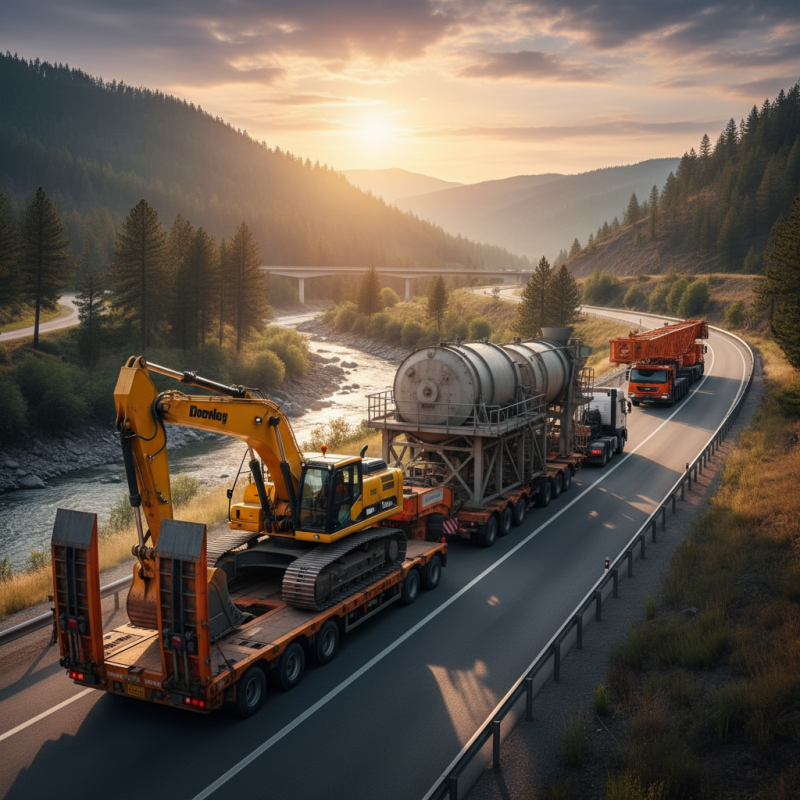
Heavy Equipment Movers play a crucial role in various industries. They specialize in relocating large machines and equipment. This process requires precision and skill. Moving heavy machinery is not just about muscle; it demands specialized tools.
These movers use heavy-duty trucks, cranes, and dollies. Each item has its own specifications and risks. Loading and unloading require a methodical approach. One mistake can lead to costly damage or accidents. Thus, Heavy Equipment Movers undergo rigorous training.
Despite their expertise, challenges arise. Not every location is suitable for heavy machinery transport. Roads, bridges, and facilities may pose obstacles. Movers must plan routes in detail. They must also stay adaptable. Environmental factors can change plans suddenly. The job is complex, but it is essential for the construction and manufacturing sectors.
What is Heavy Equipment Moving?
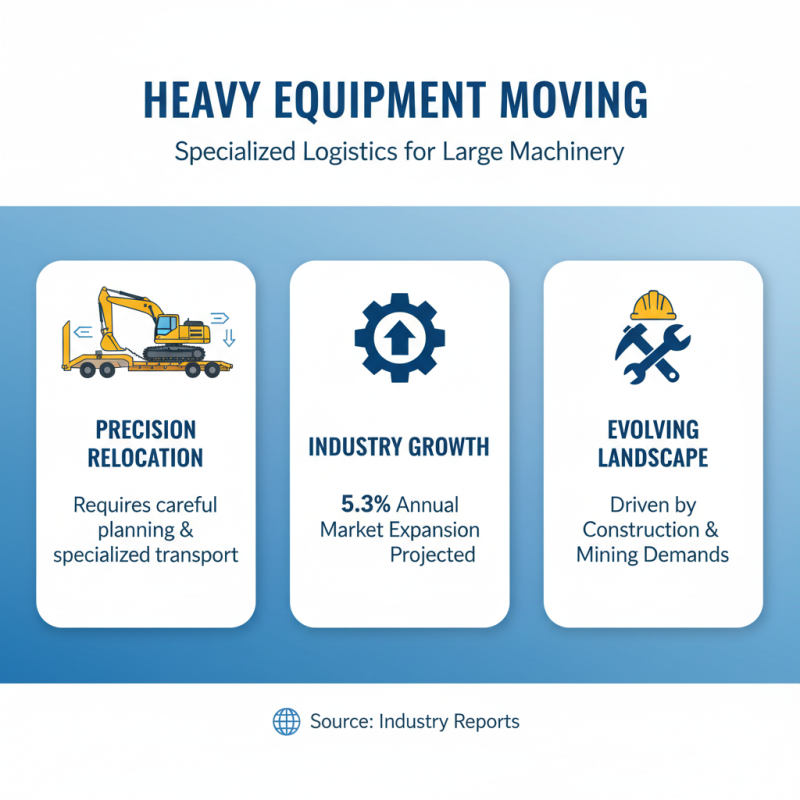
Heavy equipment moving is a specialized field focused on relocating large machinery and equipment. This process requires precision and careful planning. Industry reports indicate that the heavy equipment moving sector is expected to grow by 5.3% annually. It emphasizes the constantly evolving landscape of construction and mining.
The equipment itself can weigh thousands of pounds. Movers often use cranes, trucks, and dollies for transportation. Safety is critical. The Occupational Safety and Health Administration (OSHA) reported that about 25% of construction accident fatalities are related to heavy lifting. This statistic highlights the potential dangers involved in moving heavy equipment. Proper training and experience are vital to mitigate these risks.
While technology improves efficiency, challenges remain. For instance, terrain can be unpredictable. Uneven ground or weather conditions can delay operations. Operators must adapt quickly to these changes. Even with planning, unforeseen issues may arise, requiring immediate solutions. The industry must continually assess risks and refine techniques.
Types of Heavy Equipment Movers and Their Uses
Heavy equipment movers are essential in various industries. They transport large machinery safely and efficiently. Different types of heavy equipment movers are available to meet specific needs. For instance, hydraulic trailers are common in construction. They handle weighty loads and adapt to uneven surfaces. The global heavy machinery market was valued at approximately $122 billion in 2020, reflecting increasing demand.
Flatbed trucks are also widely used. They are straightforward but effective. Loading and unloading are easier with flatbeds. On the other hand, lowboy trailers permit taller loads. They have a lower deck height, minimizing the risk of accidents. Incorrect loading can lead to equipment damage. Reports indicate that 30% of accidents result from improper handling.
Moreover, specialized equipment movers exist, like forklifts and cranes. They require skilled operators to ensure safety. The National Institute for Occupational Safety and Health states that hazards in heavy equipment transport are often overlooked. Inadequate training increases risk. This underlines the importance of ongoing education in the industry. As technology evolves, so do the methods to transport heavy equipment, creating both opportunities and challenges.
Types of Heavy Equipment Movers and Their Uses
This chart illustrates the weight capacity of various types of heavy equipment movers commonly used in construction and industrial settings. Each type has its specific applications and capabilities, making them essential for transporting heavy loads safely and efficiently.
Key Components of Heavy Equipment Movers
Heavy equipment movers are designed to transport large and heavy machinery. Understanding their key components is essential for effective operation. The main parts of heavy equipment movers include powerful hydraulic systems, sturdy frames, and large wheels. These elements work together to create the necessary balance and strength for moving hefty loads.
The hydraulic system plays a critical role in lifting and lowering heavy equipment. It relies on pressurized fluid to generate the force needed for elevation. This technology offers precision in controlling the movement of machinery. Meanwhile, the frame must be robust, usually made from steel, to bear the weight. However, even the toughest frames can suffer from wear over time, leading to potential issues.
Large wheels or tracks help distribute the load evenly. This feature minimizes ground pressure, allowing the mover to navigate various terrains. Despite their design, uneven surfaces can still pose challenges. Operators need to be aware of these risks, ensuring safety remains a priority. Consistent maintenance checks are crucial to avoid unexpected breakdowns on the job.
How Heavy Equipment Movers Operate
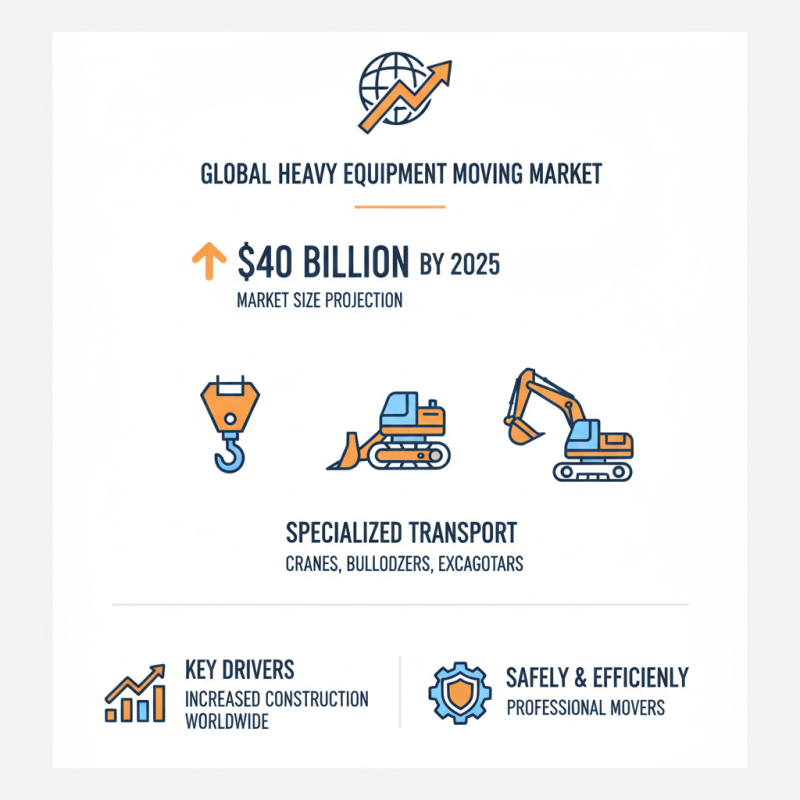
Heavy equipment movers are specialized professionals. They transport large machinery safely and efficiently. These movers handle equipment like cranes, bulldozers, and excavators. According to industry reports, the market size for heavy equipment moving is projected to grow significantly, reaching over $40 billion by 2025. This growth is largely due to increased construction activities worldwide.
Operators use various tools to secure and transport heavy machinery. Hydraulic dollies and trailers are common. These tools help distribute weight evenly, preventing damage during transit. Notably, ensuring compliance with safety regulations is crucial. Many movers face challenges when loading oversized equipment. Proper training is often overlooked but essential for safe operations. Some reports highlight that improper handling can lead to accidents, which can be costly.
The logistics of moving heavy equipment require precision. Each job is unique, often filled with unforeseen issues. For instance, transportation routes may have weight limits. Understanding local regulations is vital for smooth operations. This complex environment can make heavy equipment moving feel unpredictable. Adapting to challenges is part of the job. Successful movers stay informed about industry best practices and emerging technologies.
Safety Considerations in Heavy Equipment Moving
When moving heavy equipment, safety is paramount. Operators must conduct thorough inspections before operation. A checklist can help ensure all components are functioning properly. Ensure that loads are balanced and secure. Unsecured equipment can shift during transport, leading to accidents. Always adhere to weight limits.
Proper training is essential for all personnel involved. Workers should know how to use equipment correctly. Miscommunication can lead to dangerous situations. Using hand signals or two-way radios can enhance coordination. Workers should wear appropriate gear, like helmets and safety boots. These items may seem basic but are crucial.
Environmental conditions also matter. Wet or icy surfaces can increase risks. Equipment should be moved during clear weather when possible. Assess the surrounding area for obstacles or hazards. Even small distractions can lead to significant issues. Regular safety drills can help remind everyone of proper procedures. Awareness can prevent accidents in heavy equipment moving.
What Are Heavy Equipment Movers and How Do They Work? - Safety Considerations in Heavy Equipment Moving
| Dimension |
Description |
| Type of Equipment |
Excavators, bulldozers, cranes, heavy trucks |
| Typical Weight |
10,000 lbs to over 100,000 lbs |
| Moving Methods |
Flatbed trucks, specialized trailers, hydraulic dollies |
| Safety Gear |
Hard hats, safety vests, steel-toed boots, gloves |
| Safety Protocols |
Pre-move inspections, load securing, communication protocols |
| Common Risks |
Falling objects, equipment malfunction, poor visibility |
| Training Requirements |
Operator certification, safety training, equipment handling |

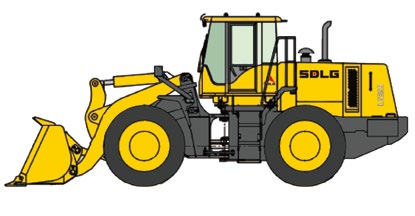 Wheel Loader
 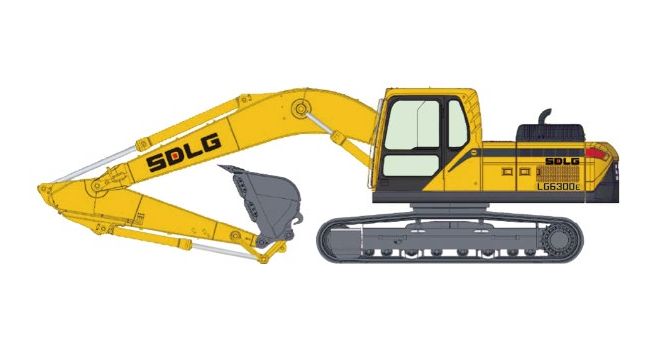 Excavator
 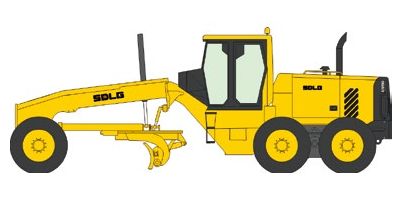 Motor Grader
 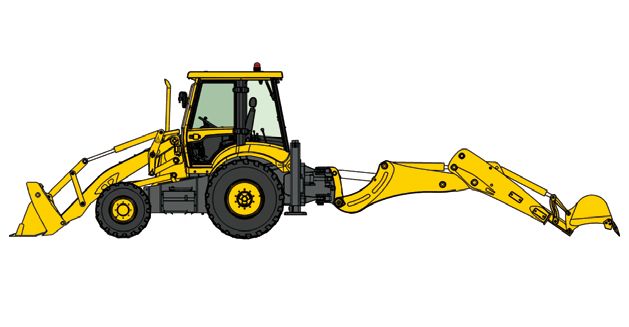 Backhoe Loader
 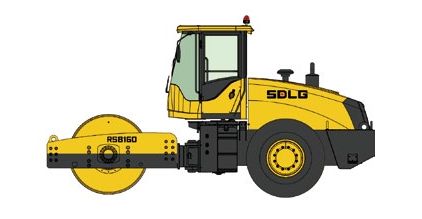 Road Roller
 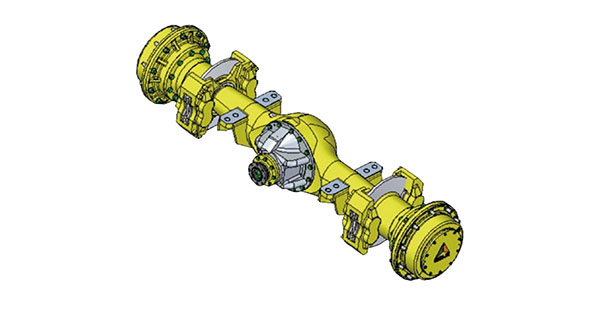 Spare Parts