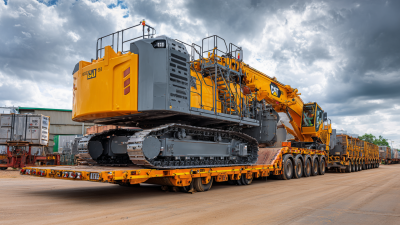
Top Heavy Machinery Transport Strategies for Efficient Logistics?
Heavy Machinery Transport is a critical aspect of logistics that greatly impacts construction and industrial sectors. According to the American Transportation Research Institute, over 70% of freight in the U.S. is moved via trucks, highlighting the need for effective strategies in transporting heavy equipment. Companies face numerous challenges, including route planning, load securing, and compliance with regulations. With improper planning, costs can skyrocket and projects can face delays.
Recent statistics indicate that the heavy machinery transport market is anticipated to grow significantly, driven by infrastructure development worldwide. Research from Mordor Intelligence projects the global heavy equipment transport market to reach $17 billion by 2025. This growth brings both opportunities and responsibilities. While efficient logistics can reduce costs and enhance service delivery, poor practices can lead to accidents and equipment damage.
As professionals in the field, it's essential to reflect on past experiences and improve upon them. Many businesses still face issues with equipment breakdowns and delays, pointing to the need for a strategic approach. Adopting innovative transportation solutions could address these shortcomings. By focusing on efficiency, safety, and compliance, companies can better navigate the complex landscape of heavy machinery transport.
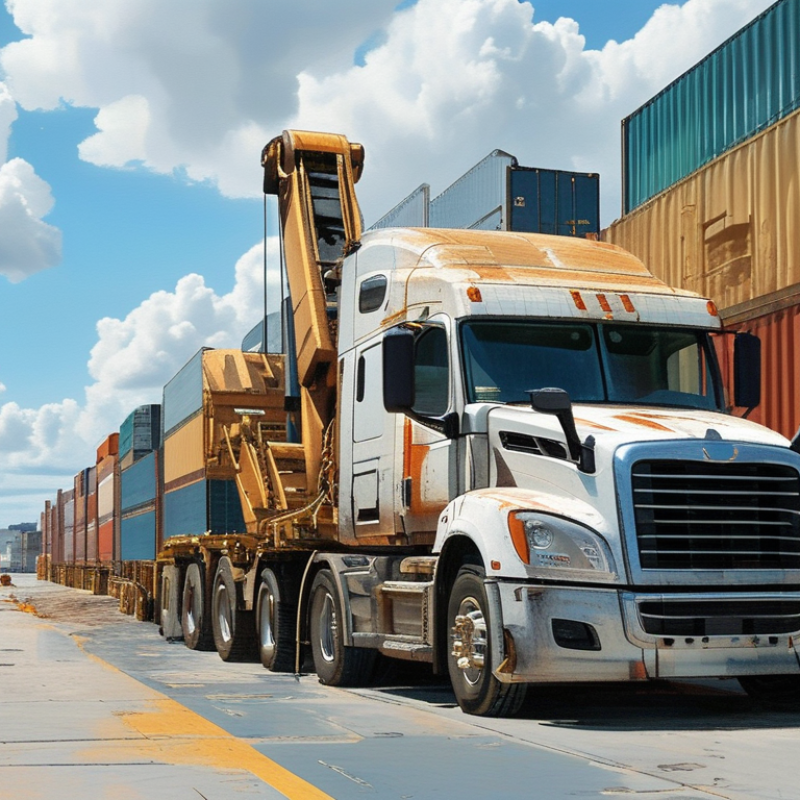
Heavy Machinery Transport: An Overview of Key Strategies
Heavy machinery transport requires careful planning and execution. Success in logistics hinges on efficient strategies tailored for large equipment. According to a report by the American Transportation Research Institute, over 70% of trucking companies cite logistical challenges as a major hurdle. This showcases the need for effective planning.
Collaboration is essential. Engaging with experienced transport partners can streamline operations. They offer invaluable insights into route selection, weight distribution, and equipment handling. Knowledge from the industry highlights that proper load preparation can reduce damage risk by up to 40%. This emphasizes the importance of training and equipping teams effectively.
Tips: Always check local regulations. Laws may vary by state or country. Understanding these can save time and resources.
Additionally, investing in proper securing methods can prevent costly accidents. Load plans should be meticulously drafted. Overloading not only endangers personnel but can also incur hefty fines. Mistakes in planning often rely on hasty decisions. Reflecting on past transport issues can lead to better results.
Understanding the Unique Challenges of Heavy Machinery Logistics
Transporting heavy machinery presents unique logistics challenges that demand strategic planning. Heavy equipment often includes large, bulky items like excavators and bulldozers. According to the Specialized Carriers & Rigging Association (SCRA), transporting such machinery requires understanding weight limits, route restrictions, and specialized equipment.
One major challenge in heavy machinery logistics is the need for specialized transport vehicles. Standard trucks often lack the strength and space required for heavy loads. Industry reports indicate that 30% of logistics failures are linked to inadequate transport means. Proper planning can mitigate this risk. It’s essential to use vehicles that are designed for these challenging loads, ensuring both safety and compliance.
Additionally, heavy machinery transport often involves navigating complex regulations. Different regions may have unique permits and road restrictions. In the U.S., the Federal Highway Administration outlines specific guidelines for oversized loads. Not adhering to these laws can lead to fines or delays. This emphasizes the importance of staying informed and adaptable in logistics strategies. Building strong partnerships in the industry often helps address these hurdles more effectively.
Effective Planning and Scheduling for Heavy Equipment Transport
Planning and scheduling are critical for efficient heavy equipment transport. In the logistics industry, proper planning can reduce delays by up to 30% according to various studies. Efficient scheduling is vital for managing the complex nature of heavy machinery transport. Arranging transport routes and times minimizes idle time and unexpected issues.
Using software tools for tracking can enhance visibility in operations. These tools help logistics providers monitor equipment status in real-time. A report from the American Journal of Transportation indicates that companies using digital tracking systems see a 20% increase in operational efficiency. However, many companies hesitate to adopt these technologies, often due to perceived costs or lack of training.
Coordination with local authorities and understanding transportation regulations are also important. Heavy machinery often requires permits and special routing, which can vary by region. Misjudging these requirements can cause delays and affect project timelines. A misstep in planning can derail entire projects, having a cascading effect on budgets and resources.
Selecting the Right Transportation Methods for Heavy Machinery
Transporting heavy machinery requires careful strategy. Selecting the right method can significantly improve logistics efficiency. Various methods are available, including flatbed trucks, specialized trailers, and shipping containers.
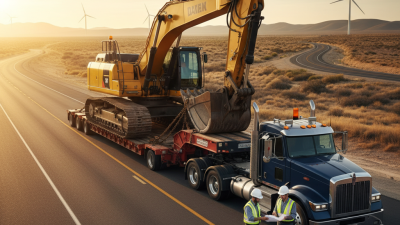
Flatbed trucks are versatile and commonly used. They offer easy loading and unloading, but may not always provide the protection needed. Weather can damage sensitive equipment. Specialized trailers are designed for unique loads. They provide better stability for oversized machinery but can be costly. Choices must balance expenses with the need for security.
Shipping containers present another option. They offer protection from environmental factors, but they require precise handling. Choosing the right transportation method should consider the machinery’s size, weight, and fragility. Logistics professionals must adapt strategies based on these variables. In some cases, companies may overlook hidden costs, such as permits or potential delays. Thorough planning is essential.
Top Heavy Machinery Transport Strategies for Efficient Logistics
| Transport Method |
Advantages |
Disadvantages |
Best for |
| Flatbed Trucking |
Easy loading/unloading, accessibility to various sites |
Limited protection from weather, potential for load shifting |
Construction equipment, oversized loads |
| Step Deck Trailers |
Can carry taller items, lower loading angle |
Less availability than flatbeds, may require special permits |
Tall machinery, heavy equipment |
| Heavy Haulers |
Specifically designed for heavy loads, high safety standards |
Expensive, requires specialized drivers |
Oversized and high-weight machinery |
| Rail Transport |
Cost-effective for long distances, high capacity |
Limited access points, longer transit times |
Interstate transport, bulk machinery shipments |
| Maritime Transport |
Best for international shipping, accommodates very large loads |
Long transit times, complex logistics |
International shipments, large industrial equipment |
Best Practices for Loading and Securing Heavy Equipment for Transport
Loading and securing heavy equipment for transport requires careful planning and execution. Prioritize weight distribution to ensure stability on the transport vehicle. Overloading one side can lead to serious accidents. Always assess the equipment's weight and dimensions accurately. This heightens safety for everyone involved.
When securing machinery, utilize high-quality straps and chains. These must be rated for the weight of your equipment. Inspect them before each use. A simple check could prevent costly damages or injuries. Tighten the straps adequately, but avoid over-tensioning. This can damage the equipment.
Tip: Use corner protectors to shield both the equipment and the straps. They can prevent wear and tear during transport.
Also, consider the overall height of your load. Be mindful of low bridges and overpasses. Having a route plan can save time and ensure safe passage. Always communicate with your team during loading and unloading. This fosters teamwork and minimizes mistakes. Intransigence about protocols can lead to oversights. Regularly review and refine your loading procedures to enhance efficiency.

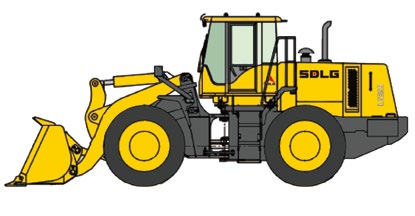 Wheel Loader
 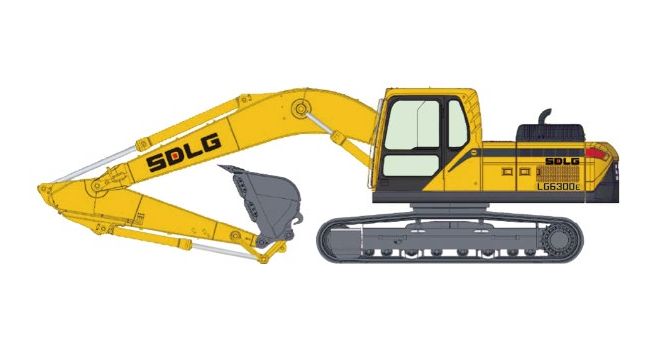 Excavator
 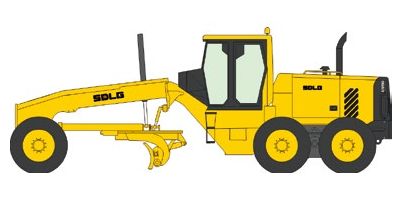 Motor Grader
 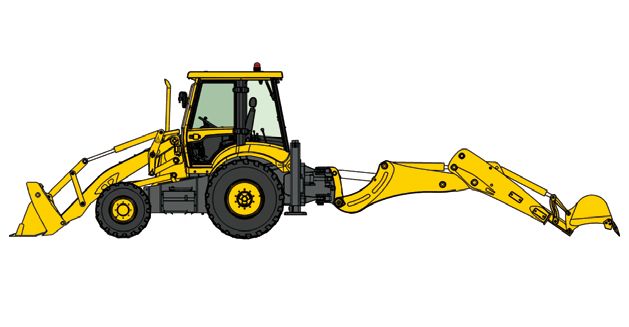 Backhoe Loader
 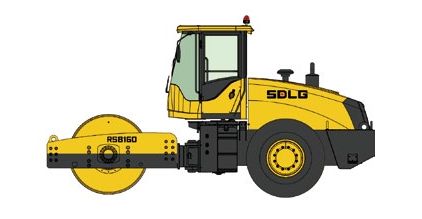 Road Roller
 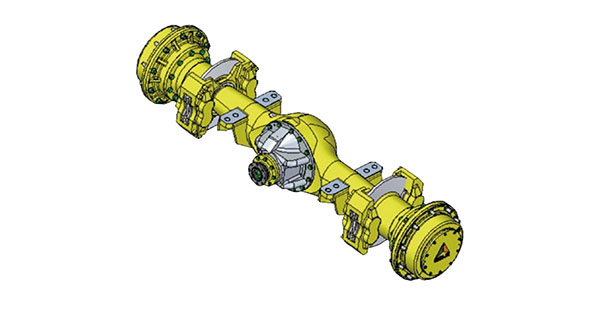 Spare Parts