What is Hitachi Excavator Benefits and Features for Buyers?
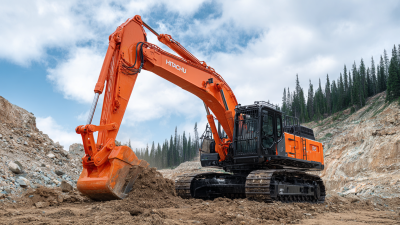
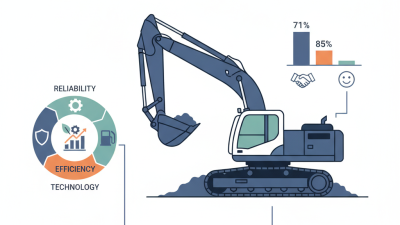
When considering the purchase of heavy machinery, understanding the offerings of Hitachi Excavator is vital. These excavators are known for their robust design and efficiency in various construction projects. Buyers often look for reliability and advanced technology, and Hitachi delivers on both fronts.
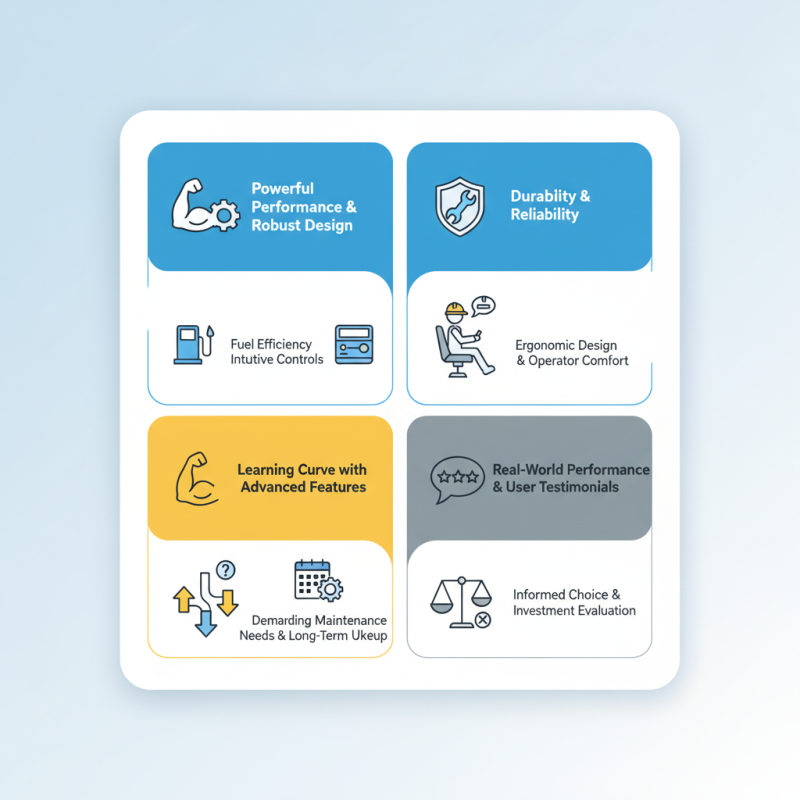
Hitachi Excavators are recognized for their powerful performance, intuitive controls, and fuel efficiency. This makes them suitable for diverse tasks, from excavation to demolition. Many operators appreciate the ergonomic design, which enhances user comfort during long working hours. However, some users report a learning curve with advanced features. It’s crucial to explore this aspect before the purchase.
Additionally, Hitachi Excavators come with a solid reputation for durability. Nonetheless, maintenance needs can be demanding. Buyers should consider long-term upkeep when evaluating their investment. Exploring testimonials from current users can provide insight into real-world performance and potential challenges. Ultimately, assessing these benefits and features helps in making an informed choice about Hitachi Excavator.
Overview of Hitachi Excavators and Their Market Position
Hitachi excavators are known for their reliability and advanced technology. They occupy a significant position in the global market, contributing to approximately 22% of overall market share in construction equipment. This data indicates a strong trust from buyers who prioritize quality and efficiency.
The company's product line includes a variety of excavators suited for different tasks. From mini-excavators to large models, each offers unique features aimed at improving productivity. For instance, the advanced hydraulic systems enhance digging power while maintaining fuel efficiency. This feature is essential, especially in an era where operational costs can make or break a project.
Nevertheless, some buyers express concerns about the initial investment required for these machines. The upfront costs may be higher than alternatives, and this prompts reflection on long-term value versus short-term expense. Proper evaluation of maintenance and spare parts availability can further influence purchasing decisions. It’s not just about buying machinery; it’s about making a sustainable investment in future projects.
What is Hitachi Excavator Benefits and Features for Buyers? - Overview of Hitachi Excavators and Their Market Position
| Feature |
Description |
Benefit |
| Enhanced Fuel Efficiency |
Incorporates advanced engine technology to reduce fuel consumption. |
Lower operating costs. |
| Operator Comfort |
Designed with ergonomic controls and spacious cabins. |
Increased productivity and reduced fatigue. |
| Durability |
Built with high-quality materials for tough environments. |
Longer service life and lower repair costs. |
| Advanced Technology |
Equipped with smart technology for better performance tracking. |
Improved efficiency and maintenance forecasting. |
| Versatility |
Available with various attachments for different applications. |
Ability to handle diverse tasks effectively. |
| Market Reputation |
Well-established and trusted in the construction industry. |
Confidence in reliability and support. |
Key Features of Hitachi Excavators for Enhanced Performance
When considering excavators, the unique features and benefits play a crucial role. These machines are designed for various tasks, such as digging, grading, and demolition. One standout feature is their advanced hydraulic system, enabling precise movements. This enhances control and efficiency, important for any construction site. Operators often express satisfaction with the responsiveness.
Durability is another critical aspect. These excavators are built with high-quality materials, ensuring they withstand harsh working conditions. Buyers find this reliability important for long-term performance. Fuel efficiency also stands out, offering cost savings over time. Workers appreciate that less fuel means fewer trips to refuel.
However, challenges can arise. Maintenance costs vary, and some users report difficulties finding specific parts quickly. Operators sometimes face a learning curve with advanced features. These aspects require consideration during the buying process. Overall, understanding these nuanced dimensions can lead to more informed decisions.
Performance Comparison of Excavators
This chart illustrates key performance metrics for excavators, highlighting their capabilities in digging depth, lift capacity, operating weight, fuel efficiency, and maintenance costs. These features are essential for buyers to consider when selecting an excavator that meets their operational needs.
Benefits of Using Hitachi Excavators in Various Industries
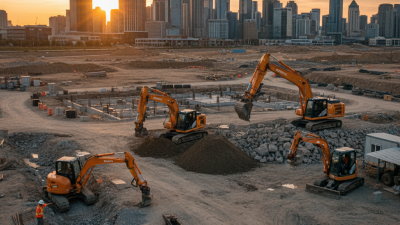
Hitachi excavators offer significant advantages across various industries. In construction, these machines boost productivity by increasing digging capacity and efficiency. According to a recent industry report, excavators can enhance project timelines by up to 30%. This is critical for keeping projects on schedule and under budget.
In the mining sector, Hitachi excavators excel in material handling. Their robust design allows for heavy-duty operations, which is vital for large-scale mining projects. Market analysis shows that effective material transport can reduce operational costs by up to 15%. However, maintaining such equipment can be a challenge, often requiring specialized knowledge and training.
In agriculture, these excavators facilitate land preparation and drainage systems. They help improve crop yield by ensuring proper land management. Nonetheless, not all operators are adequately trained. This can lead to inefficiencies and damage to the equipment. Regular training updates are essential in maintaining high operational standards.
Technological Innovations in Hitachi Excavators
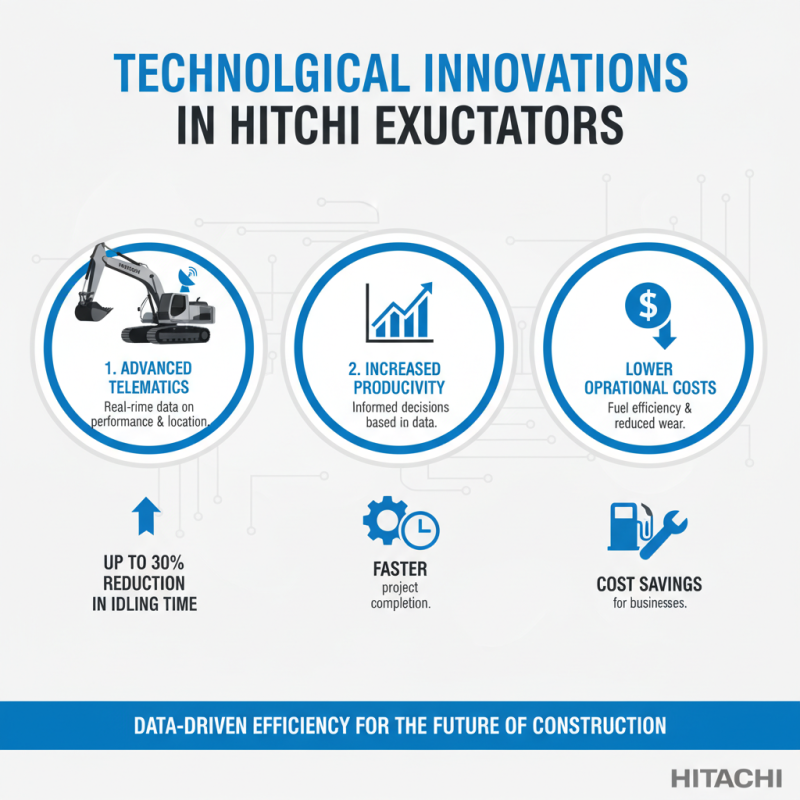
Technological advancements in excavators are accelerating productivity and efficiency across industries. One significant innovation is the integration of advanced telematics. This technology provides real-time data on equipment performance and location. According to industry reports, this feature can reduce idling time by up to 30%. Such data empowers operators to make informed decisions, ultimately leading to lower operational costs.
Moreover, hydraulic systems in excavators have seen remarkable enhancements. Modern models now utilize variable flow hydraulic systems, optimizing power output. These systems allow operators to achieve precise control over the equipment. Reports indicate that this translates to improved digging performance and fuel efficiency by nearly 15%. This precision is especially critical in tight, challenging job sites.
Another noteworthy innovation is automated control features. Automation helps reduce the workload on operators. It enhances safety by minimizing human error, a significant concern in the industry. However, reliance on automation raises questions about the need for skilled operators. Balancing technology and expertise is vital as the industry evolves. Embracing these innovations while addressing potential shortcomings is essential for future growth.
Considerations for Buyers When Choosing Hitachi Excavators
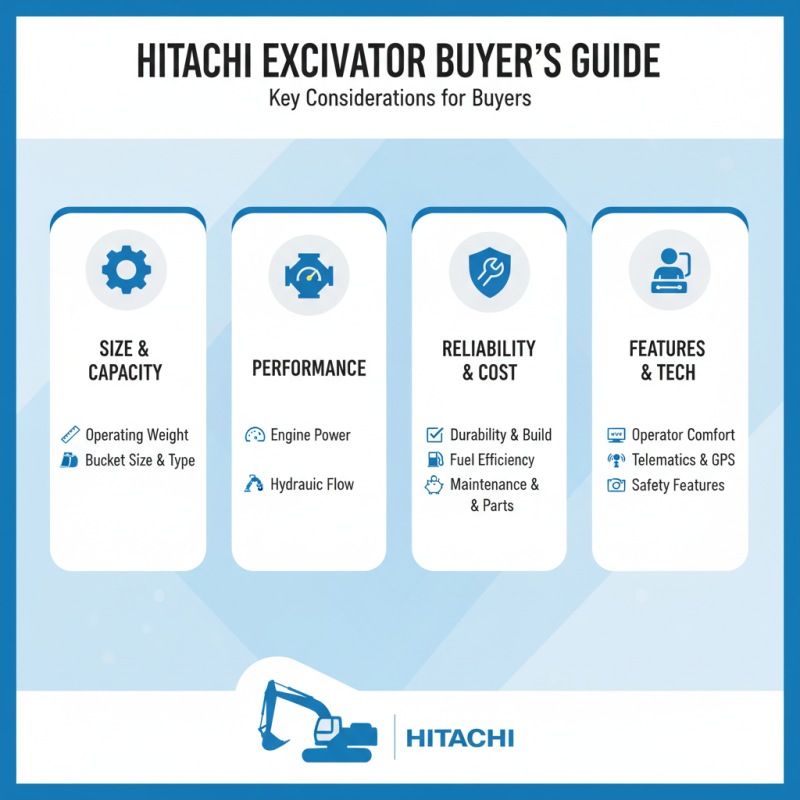
When choosing an excavator, several factors need consideration. Hitachi excavators are often praised for their robust build quality and advanced technology. However, buyers should evaluate specific features based on their project requirements. For instance, a model’s operating weight directly impacts its digging capacity.
It's crucial to assess fuel efficiency and maintenance costs. According to recent industry reports, focused on total cost of ownership, owners can save up to 15% on fuel costs with newer models due to enhanced engine technology. Furthermore, buyer reviews frequently highlight the importance of parts availability. Having easy access to replacement parts can reduce downtime substantially.
Tip: Always verify warranty information. A comprehensive warranty can indicate the manufacturer’s confidence in their product.
Buyers should also think about the machine's adaptability. Some models offer attachments for different tasks, enhancing versatility. However, not all attachments are compatible with every model. Researching compatibility can prevent unexpected expenses.
Tip: Ask for operator feedback. Their experience can provide valuable insight into the model’s performance.

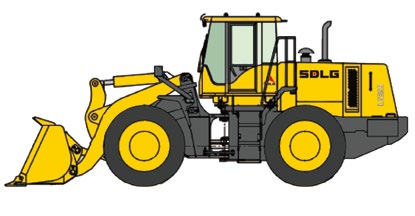 Wheel Loader
 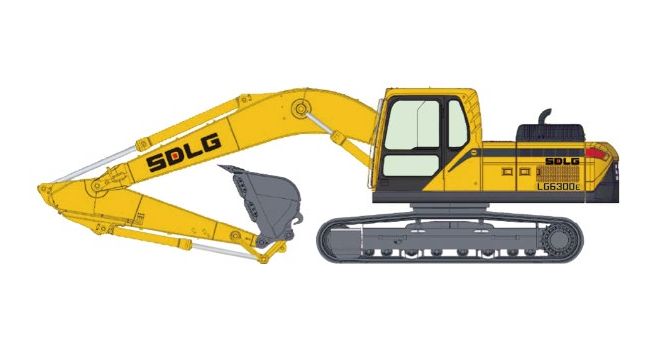 Excavator
 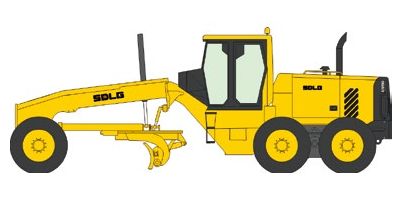 Motor Grader
 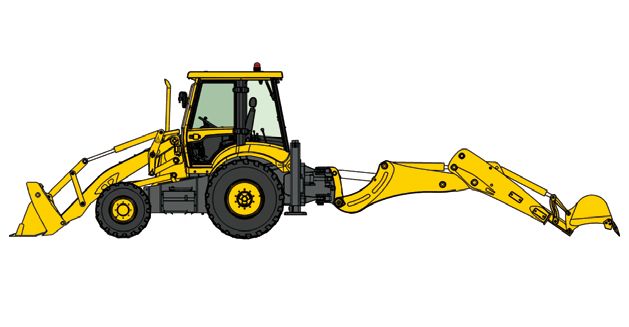 Backhoe Loader
 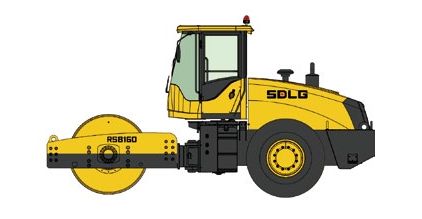 Road Roller
 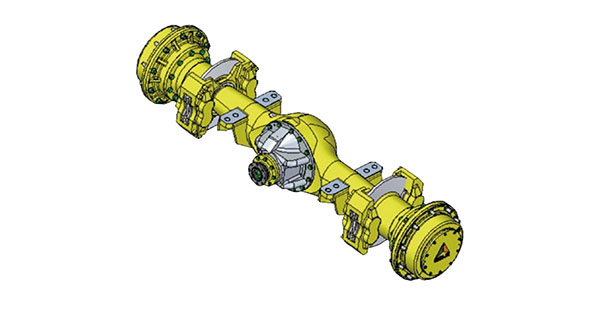 Spare Parts