What is a Mini Excavator and Why Do You Need One?
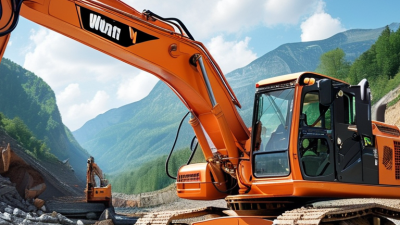
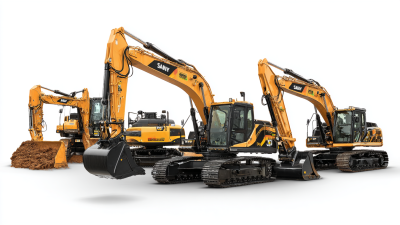
A Mini Excavator is a powerful tool designed for various construction tasks. Its compact size allows it to fit into tight spaces where larger equipment may struggle. This versatility makes it ideal for tasks such as landscaping, digging foundations, and utility work. Many contractors rely on Mini Excavators for their efficiency and convenience.
Understanding why you might need a Mini Excavator is essential. These machines save time and labor costs. They are capable of lifting heavy materials and digging deep trenches. With a variety of attachments, they can perform multiple tasks, from breaking concrete to grading land. However, the choice of using a Mini Excavator should not be taken lightly.
It's important to consider your project’s specific needs. Understanding the limitations of this equipment is crucial. It may not replace larger excavators for every job, but it shines in urban settings. Thus, while a Mini Excavator can significantly streamline your tasks, thoughtful evaluation is necessary before making a decision.
What is a Mini Excavator and Its Key Features?
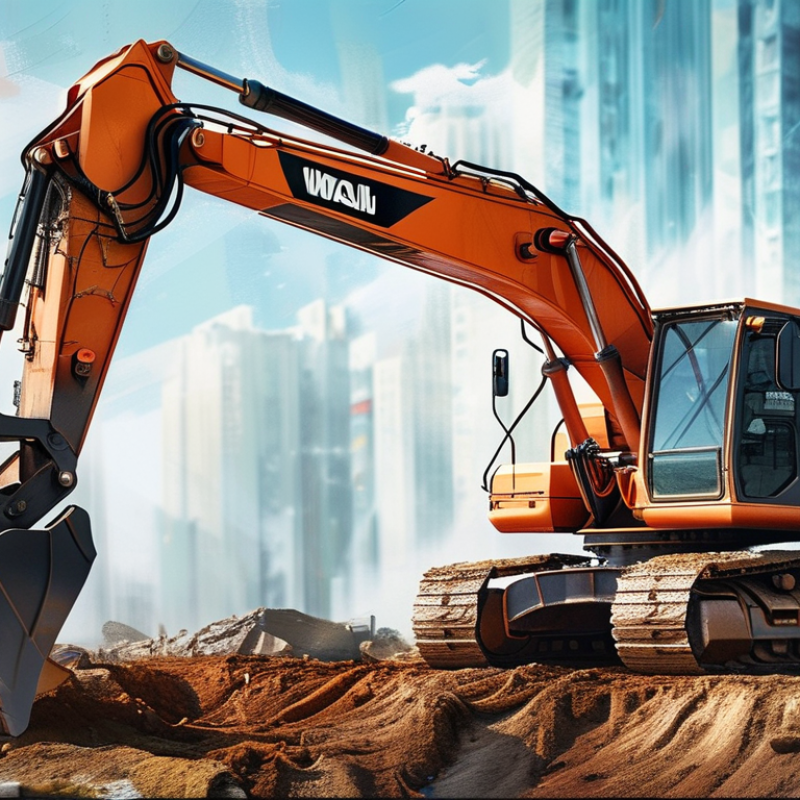
A mini excavator is a versatile machine designed for small to medium construction projects. These compact machines are ideal for tight spaces, making them popular in urban areas. With their reduced size, they can easily navigate narrow paths and tight corners. This flexibility is crucial when working on residential landscaping or plumbing projects.
Key features of a mini excavator include a powerful digging arm and a swiveling base. The digging arm allows operators to excavate dirt efficiently and precisely. The 360-degree rotation offers excellent maneuverability. Additionally, many mini excavators come equipped with various attachments. These can transform the machine for multiple tasks, such as grading or trenching.
Operators often appreciate the user-friendly controls and comfortable cabins. However, not all mini excavators are the same. It's essential to assess your specific needs before purchasing or renting one. Some machines may lack the power needed for larger projects. Make sure to reflect on your requirements carefully to avoid costly mistakes.
The History and Evolution of Mini Excavators in Construction
The mini excavator has become a staple in modern construction. Its history reveals a fascinating evolution from larger, cumbersome machines to compact, efficient tools. The first mini excavators appeared in the 1960s. They were initially designed for small-scale jobs where traditional excavators were impractical.
Over the decades, advancements in technology transformed the design and functionality of mini excavators. The introduction of hydraulic systems improved power and control. This change allowed operators to perform delicate tasks with precision. Additionally, improved ergonomics made them more user-friendly. Despite these advancements, some operators still struggle with their handling and effectiveness in tight spots.
While mini excavators offer numerous benefits, they also present challenges. Their limited size may restrict performance on larger projects. Users often need to assess the scale of their tasks before choosing a mini excavator. Decisions made without careful consideration can lead to inefficiencies. As the construction industry continues to evolve, understanding the history of mini excavators can inform better practices today.
Industry Applications: When to Use a Mini Excavator
Mini excavators have become essential tools across various industries. Their compact size and versatility make them ideal for numerous applications. According to the American Society of Civil Engineers, mini excavators account for over 45% of equipment usage in urban construction projects. This statistic highlights their importance in dense environments where space is limited.
In landscaping, mini excavators facilitate tasks like trenching and grading. They can easily navigate tight corners and fit into small backyards, making them perfect for residential projects. An industry report indicates that landscape contractors have reported a 30% increase in productivity when utilizing mini excavators for difficult tasks. The machines also minimize soil disturbance, a key factor in sustainable landscaping.
Mini excavators are vital for utility work as well. Their ability to dig and maneuver in confined spaces allows for efficient installation and repair of underground utilities. The National Utility Contractors Association suggests that using mini excavators can reduce labor costs by up to 20% in urban locations. However, operators should be trained properly. Mismanagement can lead to accidents and costly delays, emphasizing the need for skilled workers.
Cost Analysis: Economic Benefits of Owning a Mini Excavator
Mini excavators are compact and versatile machines used in various construction projects. Their size allows access to tight spaces, making them ideal for residential jobs. Owning one can yield significant economic benefits. A report from the U.S. Bureau of Labor Statistics indicates that construction projects often experience delays due to equipment unavailability. Having a mini excavator on-site reduces these delays, leading to quicker project completion.
The cost analysis of owning a mini excavator highlights several advantages. According to industry studies, the average rental cost for a mini excavator is around $200 per day. In contrast, purchasing one can range from $15,000 to $50,000, depending on specifications. Over time, ownership proves more economical than renting, especially for contractors needing regular access. A mini excavator can pay for itself within a few projects, providing tools for excavation, grading, or landscaping.
Financial benefits extend beyond direct costs. Owning a mini excavator improves project reliability and control. For project managers, this autonomy is invaluable. It saves time and money, enhancing profit margins. However, potential buyers should consider maintenance costs, which can add up. They should weigh initial investments against these ongoing expenses and think critically about operational needs. Balancing costs with practical requirements is essential for effective long-term planning.
What is a Mini Excavator and Why Do You Need One? - Cost Analysis: Economic Benefits of Owning a Mini Excavator
| Feature |
Description |
Estimated Cost ($) |
| Purchase Price |
Cost of a new mini excavator |
12,000 - 50,000 |
| Maintenance Cost |
Annual maintenance and servicing costs |
500 - 1,500 |
| Fuel Efficiency |
Estimated fuel consumption per hour |
5 - 10 |
| Operator Salary |
Average hourly wage for a certified operator |
20 - 35 |
| Rental Rate |
Daily rental cost of a mini excavator |
200 - 500 |
| Depreciation Rate |
Annual depreciation percentage |
10 - 15% |
Safety Standards and Regulations for Mini Excavator Operation
Operating a mini excavator comes with specific safety standards and regulations. These guidelines ensure the safety of operators and surrounding workers. Understanding these rules is crucial for anyone planning to use mini excavators on job sites.
Personal protective equipment (PPE) is a must. Hard hats, steel-toed boots, and high-visibility vests are essential to prevent injuries. Operators must also be trained to understand the equipment’s controls and functions. Having this knowledge reduces the risk of accidents. Considering the equipment’s size, many underestimate potential dangers. However, proper training emphasizes the importance of awareness on site.
Regular maintenance checks are vital for safe operation. Inspecting hydraulic systems and tracks can prevent mechanical failures. Operators should also check their surroundings for hazards before starting work. Unfortunately, not all operators follow these steps. Reflecting on safety habits and continuously improving them is key. It seems straightforward, but a moment of carelessness can lead to serious accidents. Emphasizing safety should always be a priority for those working with mini excavators.
Mini Excavator Usage Statistics by Industry
This bar chart illustrates the number of mini excavators currently in use across various industries. The data shows that the construction sector is the largest user of mini excavators, followed by agriculture and landscaping. This information highlights the versatility and importance of mini excavators in different sectors.

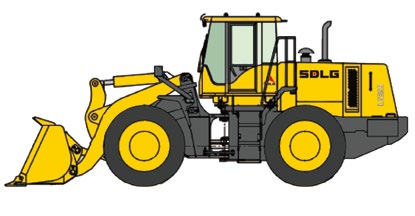 Wheel Loader
 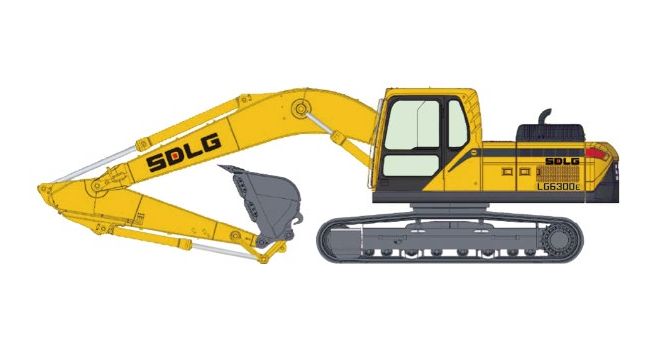 Excavator
 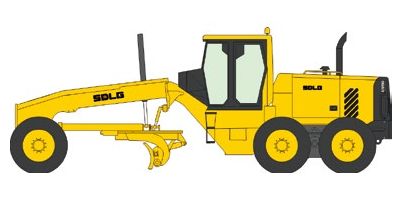 Motor Grader
 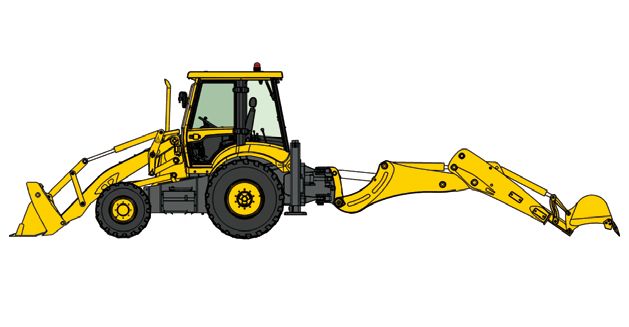 Backhoe Loader
  Road Roller
  Spare Parts