Top 10 Sany Equipment Models for Global Buyers?
Choosing the right Sany Equipment model can shape a project’s productivity, operating cost, and long-term reliability. Global buyers often compare excavators, cranes, concrete machinery, road equipment, and drilling solutions before placing an order. However, a popular machine is not automatically the best fit for every site.
This guide introduces ten Sany equipment models that attract attention from contractors, rental companies, infrastructure developers, and industrial operators. The selection considers working capacity, fuel efficiency, operator comfort, transport requirements, maintenance access, and dealer support. It also considers practical details, such as muddy ground, narrow urban roads, hot climates, and limited workshop facilities. Those conditions can change a purchasing decision quickly.
Real project experience matters. A machine that performs well on a large highway site may feel excessive on a smaller residential job. Buyers should compare rated specifications with actual workload, not rely only on marketing language. Local parts availability is equally important. A short delivery delay can become an expensive project interruption.
The list is not a universal ranking. It is a useful starting point.
Specifications, regional configurations, warranty terms, and emissions requirements may differ between markets. Buyers should confirm current data with authorized Sany dealers and inspect service arrangements before signing a purchase agreement. Some recommendations may also deserve debate, especially when price, technology, and resale value receive different priorities. Even so, these ten models provide a practical framework for evaluating Sany Equipment with greater confidence.
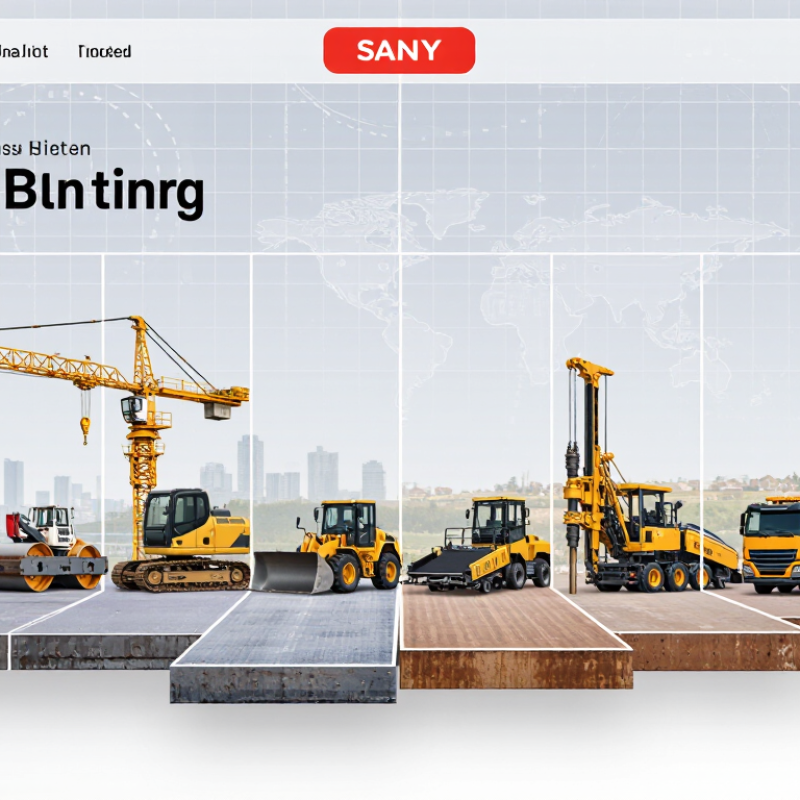
SANY’s Global Equipment Range and Selection Criteria
Global buyers should judge equipment by job demands, not popularity alone. A practical shortlist includes crawler excavators, wheeled excavators, mini excavators, rough-terrain cranes, truck cranes, crawler cranes, wheel loaders, motor graders, pavers, and truck-mounted concrete pumps. Each category serves a different site condition.
Choose crawler excavators for muddy ground and deep foundation work. Wheeled excavators suit urban roads and frequent travel. Mini excavators fit narrow spaces, although their lifting limits are easy to overlook. Wheel loaders support quarry loading and stockpile handling. Motor graders improve road accuracy. Pavers need stable temperature control and steady material supply. Cranes require verified lifting charts, wind limits, and ground bearing checks. Concrete pumps should match pipeline length, pour height, and aggregate size.
Tips: Compare fuel use, service access, attachment options, operator visibility, and local parts availability. Request performance data from similar climates. Check transport width before ordering. A machine may look efficient on paper but struggle in high heat or steep terrain. Warranty terms also need careful reading, especially response times and technician coverage. No shortlist is perfect. I would recheck dealer capacity, operator training, and resale demand before signing a purchase agreement. Small details often decide whether a machine earns money or waits beside the site.
Top 10 Equipment Classes for Global Buyers
This comparison uses typical operating weight as a practical indicator of equipment size, transport requirements, lifting capacity, and job-site suitability. The figures represent common global equipment classes; actual specifications vary by configuration and attachment.
Selection criteria: application type, operating weight, transportability, working environment, attachment compatibility, local regulations, service access, and total cost of ownership.
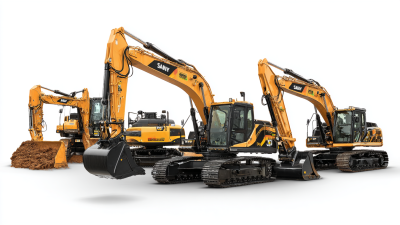
Top SANY Excavator Models for Diverse Construction Projects
Choosing the right excavator model depends on ground conditions, transport limits, and daily workload. Global buyers should compare operating weight, hydraulic response, attachment compatibility, and service access. A compact 6–8-ton excavator suits urban drainage, landscaping, and narrow residential sites. Its short tail swing helps operators work beside walls and traffic lanes.
The 13–15-ton tracked model offers a useful balance for road construction, utility trenches, and general earthmoving. It usually provides stronger lifting stability without excessive transport costs. For quarry work or large foundations, a 20–22-ton excavator delivers deeper digging and higher bucket capacity. Reinforced undercarriages matter on rocky ground. So does a comfortable cab during long shifts.
Wheeled excavators fit projects requiring frequent movement between locations. They can reduce trailer dependence, but soft soil may expose their limits. A 30–36-ton model handles heavy excavation and bulk loading efficiently. However, its size demands wider access and more careful site planning. Fuel estimates often change with soil, attachments, and operator habits. Buyers should request service records, parts availability, and local technician coverage. A low purchase price can become expensive when downtime lasts several days. The biggest model is not always the best choice.
Top 10 Sany Equipment Models for Global Buyers? - Top SANY Excavator Models for Diverse Construction Projects
| No. |
Equipment Class |
Approx. Operating Weight |
Typical Bucket Capacity |
Approx. Maximum Digging Depth |
Recommended Applications |
| 1 |
Micro Excavator |
1.6 t |
0.04–0.06 m³ |
2.2–2.4 m |
Landscaping, utility repairs, indoor demolition and confined-site excavation |
| 2 |
Mini Excavator |
2.6 t |
0.06–0.10 m³ |
2.5–2.9 m |
Residential construction, drainage work, trenching and landscaping |
| 3 |
Compact Tail-Swing Excavator |
5.0 t |
0.15–0.25 m³ |
3.4–3.8 m |
Urban foundations, road maintenance, site preparation and utility installation |
| 4 |
Medium Compact Excavator |
7.5 t |
0.25–0.35 m³ |
4.0–4.5 m |
General earthmoving, municipal projects, slope work and agricultural construction |
| 5 |
General-Purpose Excavator |
13.5 t |
0.50–0.65 m³ |
5.5–6.2 m |
Building foundations, highway work, trenching and material handling |
| 6 |
Reduced-Tail-Swing Excavator |
15.5 t |
0.55–0.70 m³ |
5.8–6.5 m |
Urban road construction, bridge approaches and restricted-access sites |
| 7 |
Heavy General-Purpose Excavator |
21.5 t |
0.90–1.10 m³ |
6.5–7.0 m |
Large-scale earthmoving, quarry support, road building and deep excavation |
| 8 |
Heavy-Duty Excavator |
24.5 t |
1.00–1.30 m³ |
6.8–7.4 m |
High-volume excavation, quarrying, infrastructure and bulk material loading |
| 9 |
Large Mining-Support Excavator |
36.5 t |
1.60–2.00 m³ |
7.2–8.0 m |
Mining support, rock excavation, major infrastructure and heavy-duty loading |
| 10 |
Large Quarry Excavator |
50.0 t |
2.00–2.50 m³ |
7.5–8.5 m |
Large quarries, mining overburden, major cut-and-fill projects and mass excavation |
Leading SANY Crane Models for Lifting and Infrastructure Work
For global buyers, a practical crane shortlist should include ten lifting configurations: 25-ton and 50-ton truck cranes, 80-ton and 100-ton all-terrain cranes, plus 130-ton, 200-ton, and 300-ton heavy-duty models. Crawler cranes from 150 to 400 tons suit bridge work, wind projects, and long-duration construction sites. Rough-terrain cranes remain useful on compact, uneven ground. Compact telescopic cranes help inside factories and restricted urban areas.
Each model should be judged by more than rated capacity. Check maximum lifting radius, boom length, counterweight options, axle load, transport dimensions, and emergency shutdown systems. A 50-ton crane may lift safely at three meters, yet struggle at fifteen meters. That detail changes the purchase decision. Review hydraulic response, operator visibility, spare-part access, and service training. Local terrain and climate matter too. Dust, steep grades, and heavy rain expose weak planning quickly.
Tips: Match the crane to real lift charts, not marketing headlines. Request certified load tables and recent inspection records. Confirm emissions, road-registration, and operator requirements in the destination country. A trial lift with a weighted load is valuable. Still, it cannot reproduce every jobsite condition. I would also leave a modest capacity margin, although budgets often push buyers toward smaller models. That compromise deserves careful review before signing.
Popular SANY Concrete, Roadbuilding, and Mining Equipment Models
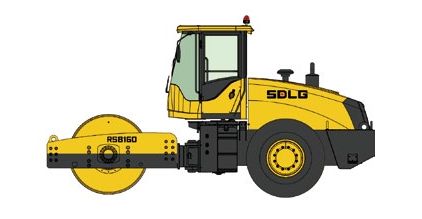
The ten-model shortlist covers practical concrete, roadbuilding, and mining needs. Concrete buyers often compare truck mixers, line pumps, trailer pumps, and 37–63 metre boom pumps. These machines suit apartment slabs, bridges, and remote foundations. Roadbuilding choices include asphalt pavers, single-drum rollers, tandem rollers, and cold milling machines. Mining operations may need hydraulic excavators and rigid dump trucks for hard, uneven sites.
UNEP’s 2023 Global Status Report states that buildings and construction used 32% of global energy and created 34% of global carbon emissions in 2022. That figure makes fuel use, idle control, and service access important buying criteria. The IEA’s Global Critical Minerals Outlook 2024 reported lithium demand growth of nearly 30% in 2023. Mining contractors therefore need machines that can handle longer shifts, steep haul roads, and changing material conditions. Still, productivity figures can look better on paper than on wet ground. Real site trials remain necessary.
Tips: Check pump output beside actual concrete slump, not brochure capacity. For pavers and rollers, inspect local asphalt temperature ranges. Mining buyers should compare payload with tyre cost, cooling performance, and repair response time. A smaller machine may win when transport limits, narrow benches, or weak ground restrict larger equipment. Ask for operator feedback. It is often more honest than a polished specification sheet.

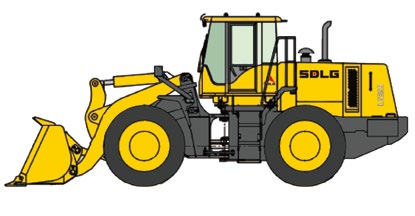 Wheel Loader
 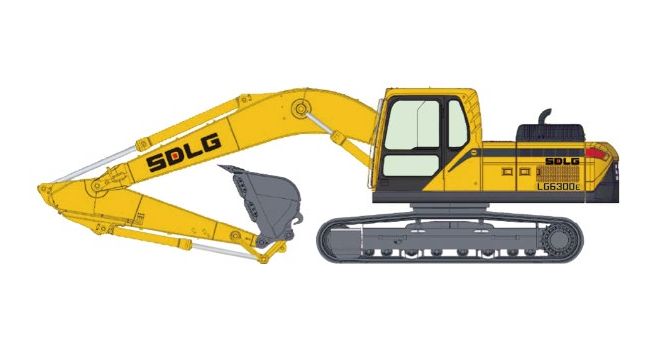 Excavator
 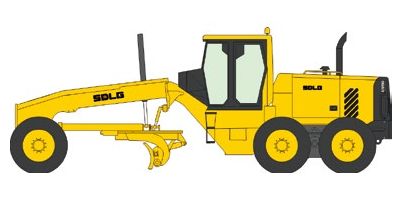 Motor Grader
 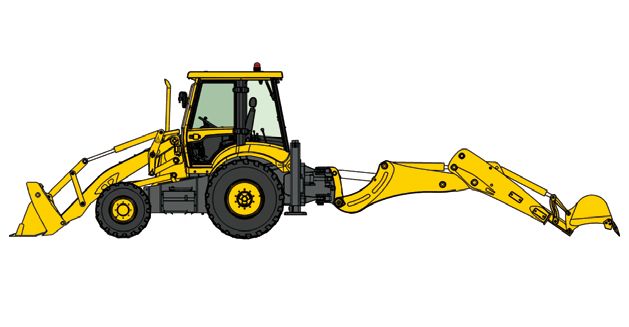 Backhoe Loader
  Road Roller
  Spare Parts