Top Earth Moving Equipment for Construction Projects You Need to Know
In the realm of construction projects, the role of Earth Moving Equipment cannot be overstated. These machines are integral to site preparation, excavation, and heavy lifting tasks, providing the efficiency and power needed to transform landscapes into productive spaces. From small-scale residential developments to large commercial infrastructures, the proper selection and utilization of Earth Moving Equipment significantly impact project timelines and overall success.
As projects become more ambitious and complex, the variety of Earth Moving Equipment available has expanded, allowing contractors to choose the right tools for their specific needs. This article delves into the top Earth Moving Equipment essential for construction projects, exploring the capabilities and advantages of each type. By understanding the functions and applications of various machines, construction professionals can make informed decisions, enhancing productivity and delivering quality results on time and within budget.

Types of Earth Moving Equipment Essential for Construction Projects
When embarking on construction projects, choosing the right earth moving equipment is crucial for efficiency and effectiveness. According to industry reports, the global earth moving equipment market is projected to reach approximately $81 billion by 2025, underscoring the essential role these machines play in construction. Key categories include excavators, bulldozers, backhoes, and loaders, each designed to perform specific tasks that are vital in preparing and developing construction sites.
Excavators, for instance, are indispensable for digging trenches and lifting heavy materials. Their versatility allows them to be equipped with various attachments, enhancing their functionality for tasks ranging from demolition to material handling. Similarly, bulldozers, known for their robust blades, are primarily used for pushing large quantities of soil or rubble, making them invaluable for site clearance. Furthermore, backhoes and front-end loaders are essential for both excavation and material transportation, streamlining operations on any construction site. Industry analysis indicates that the demand for these machines continues to rise as infrastructure projects expand globally, emphasizing the importance of selecting the appropriate equipment to meet project-specific requirements.
Key Features and Specifications of Popular Earth Movers
When it comes to earth moving equipment for construction projects, understanding the key features and specifications of popular earth movers is crucial. One of the most essential types of equipment in this category is the excavator, which is characterized by its hydraulic system and boom arm design that enables versatile digging, lifting, and material handling. According to industry reports, the global excavator market is anticipated to reach $61.4 billion by 2025, driven by increased investments in infrastructure development and urbanization. Today's excavators often feature advanced technologies such as GPS for precision grading, reducing material waste by up to 25%, and improving overall efficiency.
Another significant piece of equipment is the bulldozer, known for its powerful tracks and large blade used for pushing earth or debris. Modern bulldozers are designed with enhanced fuel efficiency, reducing operational costs while maintaining productivity. Research indicates that the incorporation of Tier 4 engine technology has improved fuel consumption rates by approximately 20% without compromising power output. Furthermore, the latest models often include operator-friendly cab designs and advanced visibility features, contributing to safer and more comfortable working environments on job sites.
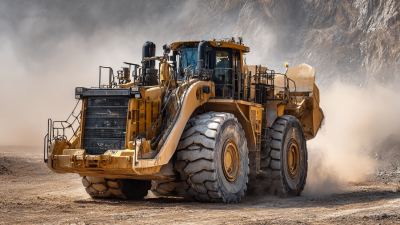
Lastly, wheel loaders serve as essential earth movers, offering rapid loading and transporting capabilities across various terrains. With an increasing focus on sustainability, many manufacturers are now integrating hybrid technologies into their wheel loader designs, which can lead to fuel savings of up to 30%. Such innovations not only make them more environmentally friendly but also align with the construction industry's push toward greener practices, as highlighted in recent studies projecting a 10% reduction in greenhouse gas emissions with the adoption of modern equipment. In conclusion, the evolution of earth moving equipment, underscored by these key features and specifications, plays a vital role in enhancing the efficiency and sustainability of construction projects.
Top Earth Moving Equipment for Construction Projects
How to Choose the Right Earth Moving Equipment for Your Project
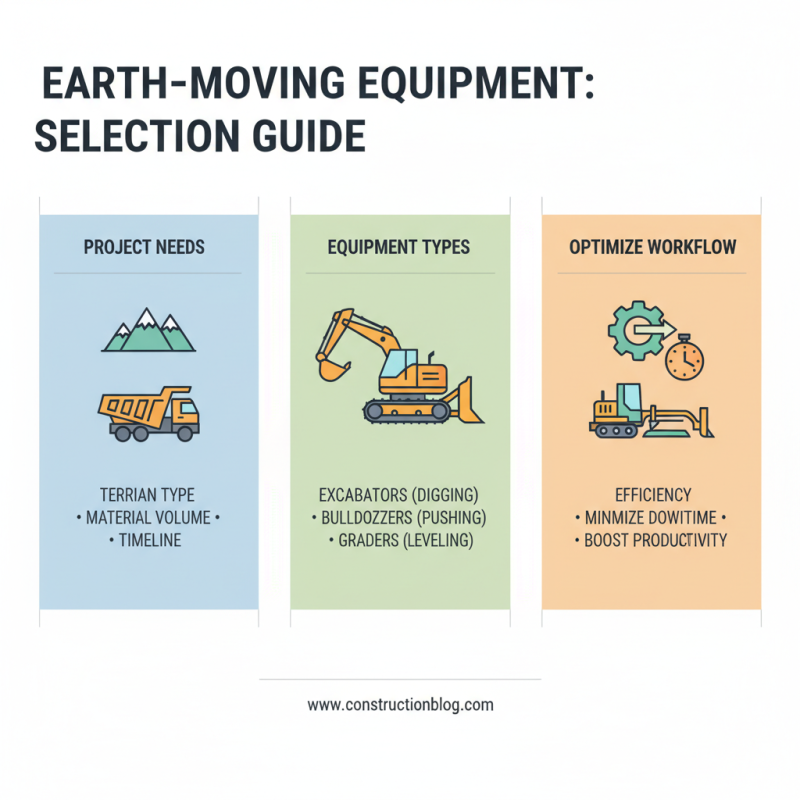
When choosing the right earth moving equipment for your construction project, it's essential to first assess the specific needs of the project. Consider factors such as the type of terrain, the volume of material that needs to be moved, and the overall timeline. Different equipment serves various purposes, such as excavators for digging, bulldozers for pushing earth, and graders for leveling surfaces. Understanding the scope of work will help in selecting the most efficient machines that can minimize downtime and enhance productivity.
Another critical aspect is to evaluate the equipment's operational capacity and compatibility with other machinery on site. Ensure that the selected machines can handle the required loads and are suitable for the working conditions. Additionally, take into account the operator's expertise and the availability of training if necessary. Proper training ensures that operators can effectively and safely utilize the equipment, further optimizing performance and reducing the risk of accidents. By carefully considering these factors, you can make informed decisions that will ultimately lead to the success of your construction project.
Maintenance Tips for Prolonging the Life of Earth Moving Machines
Proper maintenance of earth moving equipment is essential for ensuring optimal performance and longevity. Research from industry reports indicates that regular upkeep can extend the lifespan of machines by up to 50%. Simple practices like checking fluid levels, replacing filters, and keeping machinery clean can prevent costly breakdowns. According to the Equipment Leasing and Rental Association (ELRA), equipment that is well-maintained can achieve at least 10% higher resale value, highlighting the financial benefits of diligent care.
**Tips for Maintenance:**
One effective strategy for prolonging the life of earth moving machines is to create a detailed service schedule. This should include routine inspections, lubrication, and timely repairs. For instance, performing a thorough inspection after every 100 operational hours can catch potential issues early, reducing downtime. Additionally, utilizing technology such as telematics systems can help monitor machine health and efficiency, allowing for data-driven decisions on maintenance.
Another key aspect of maintaining earth moving equipment is operator education. According to the National Association of Heavy Equipment Training Schools (NAHETS), operators who are well-trained in proper equipment use can significantly reduce wear and tear. Regular training sessions focused on safe operation and maintenance protocols can foster a culture of care, ultimately leading to a lower incidence of damage and unnecessary repairs. By prioritizing maintenance and training, construction projects can ensure their earth moving equipment remains reliable and efficient.
Innovations in Earth Moving Technology for Enhanced Efficiency
The construction industry has seen significant advancements in earth moving technology, which are essential for enhancing efficiency on job sites. Recent reports indicate that the global earth moving equipment market is projected to reach $200 billion by 2025, fueled by innovations in machine design and automation. These developments not only increase productivity but also improve safety and reduce environmental impacts. For instance, the integration of GPS technology allows for precise excavation and grading, minimizing material waste and ensuring projects are completed on time.
One notable trend is the rise of electric and hybrid earth moving machinery, which is transforming the industry by offering lower operational costs and reduced emissions. According to a study by the International Energy Agency, the deployment of electric machinery can cut energy consumption by up to 30%, thereby increasing overall sustainability in construction practices. Additionally, advancements in telematics and data analytics enable real-time monitoring of equipment health and performance, allowing for proactive maintenance and reducing downtime.
Tips: To maximize the benefits of these innovations, construction managers should consider investing in training programs for their workforce to familiarize them with new technologies. Additionally, adopting a phased approach to integrating new equipment can help in assessing impacts on productivity and efficiency without overwhelming operations. Leveraging collaborative planning tools can also enhance project coordination, ensuring that all stakeholders are aligned on goals and progress.
Top Earth Moving Equipment for Construction Projects
| Equipment Type |
Key Features |
Innovations |
Efficiency Improvements |
| Excavators |
Versatile for digging and lifting |
Hydraulic technology for improved power |
30% faster site preparation |
| Bulldozers |
Ideal for pushing large quantities of materials |
Electronic controls for precision |
20% reduction in fuel consumption |
| Backhoe Loaders |
Combines digging with loading capabilities |
Automated leveling systems |
Improved operational speed by 25% |
| Dump Trucks |
For transporting loose material |
Advanced tracking and telemetry systems |
15% higher load efficiency |
| Compact Track Loaders |
High maneuverability for tight spaces |
Enhanced stability with lower center of gravity |
Reduces turnaround time by 30% |

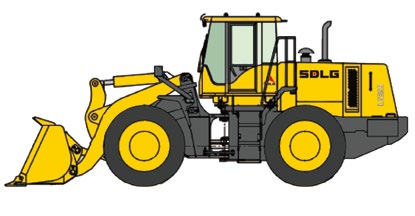 Wheel Loader
 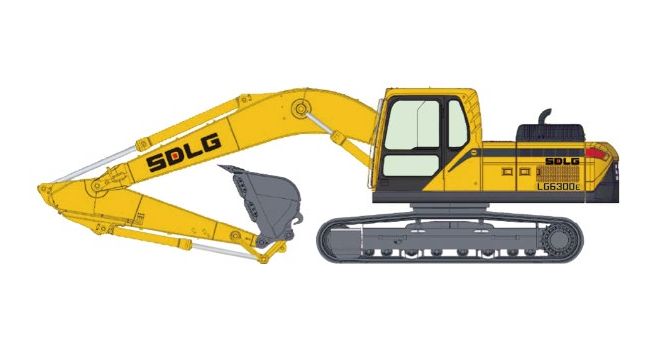 Excavator
 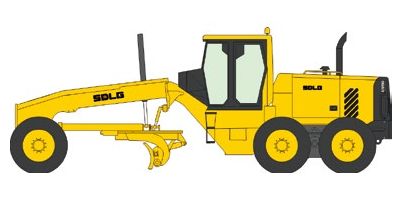 Motor Grader
 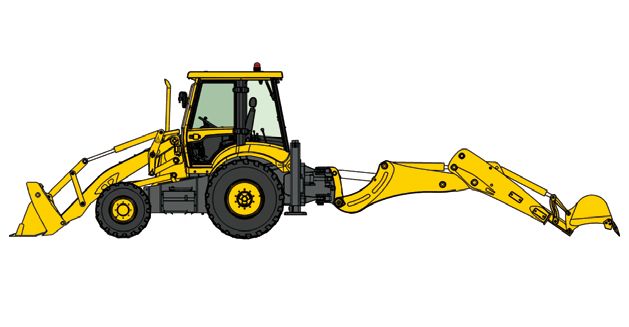 Backhoe Loader
 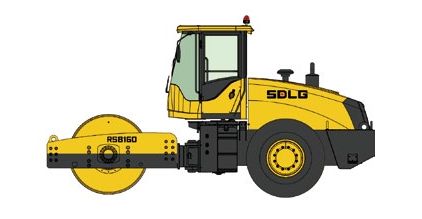 Road Roller
 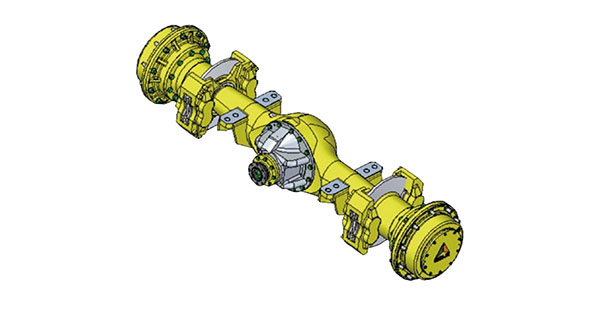 Spare Parts