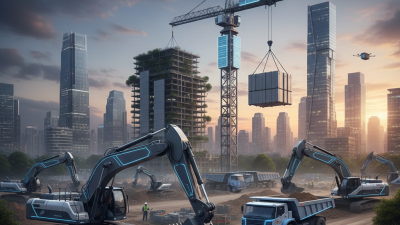
Top 10 Earth Moving Equipment You Need in 2026?
In the evolving landscape of construction and excavation, Earth Moving Equipment remains critical. As we project into 2026, the demand for advanced machinery is poised to increase. According to industry reports, the global earthmoving equipment market is projected to reach $100 billion by 2026. Such growth indicates both increased infrastructure investment and a shift toward automation and efficiency.
The rise in popularity of electric and hybrid machines also shapes this market. With rising fuel costs, companies are urged to consider eco-friendly options. Reports indicate that nearly 30% of construction firms plan to invest in green technologies within the next few years. This transformation underlines the necessity of adapting to environmental regulations. However, many companies struggle with the transition, revealing potential gaps in knowledge and skills within the workforce.
As we explore the top ten essential Earth Moving Equipment for the upcoming years, understanding market trends is crucial. It highlights not only what is needed but also the challenges businesses may face. The complexities of implementation and training should not be overlooked in this rapidly changing environment.
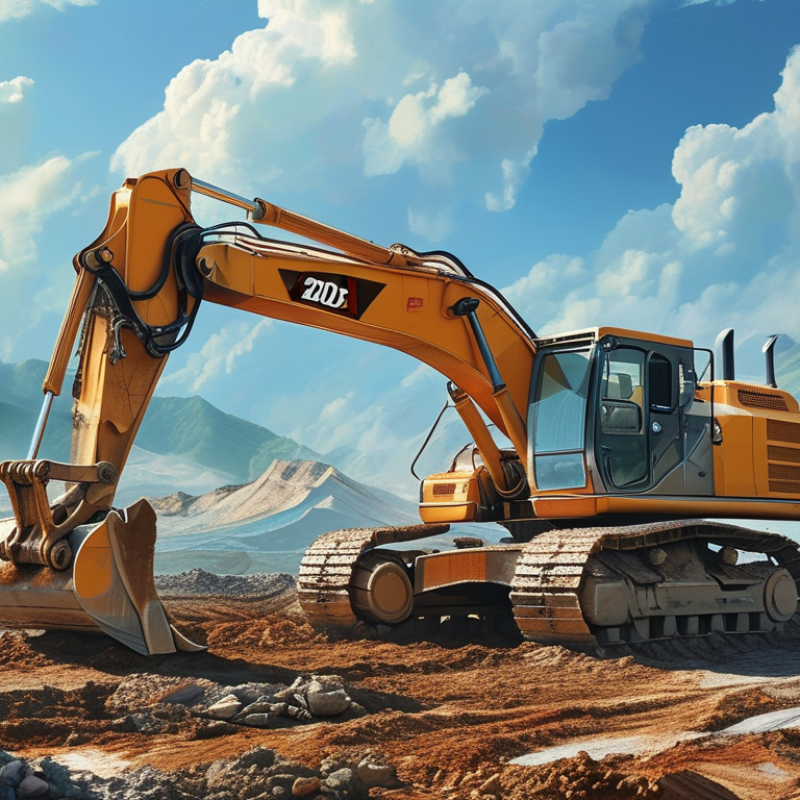
Key Trends Shaping Earth Moving Equipment for 2026
In 2026, the earth moving equipment market is expected to see significant shifts driven by technological advancements and industry demands. A report from Market Research Future estimates that the global earth moving equipment market will reach $155 billion by 2026, growing at a CAGR of 5.5%. This growth reflects increased investment in infrastructure and construction projects worldwide.
Key trends shaping this landscape include automation and electrification. Autonomous machinery can reduce labor costs and enhance safety on job sites. The International Federation of Robotics predicts a 30% increase in automated earth moving equipment adoption by 2026. Additionally, the shift towards electric models aims to minimize environmental impacts. According to the Global Electric Vehicle Coalition, electric equipment will potentially reduce carbon emissions by 30% in construction sectors.
However, challenges remain. The integration of advanced technologies requires skilled operators. A survey by the Construction Industry Institute indicates that 60% of companies struggle to find qualified personnel. As firms seek to upgrade their fleets, they must also consider workforce training. Balancing technological advancements with human expertise will be crucial for navigating the future of earth moving equipment.
Essential Features to Look for in Earth Moving Equipment
When looking for earth moving equipment, certain features stand out as essential for effective operation. Evaluate the machine's power and efficiency. A robust engine allows for heavy-duty tasks without frequent breakdowns. Understand the importance of fuel efficiency as well. This will help minimize operational costs in the long run.
Safety features can make a significant difference. Look for equipment with advanced safety systems, like roll-over protection and ergonomic controls. These systems protect operators and enhance overall productivity. Additionally, consider the equipment's ease of maintenance. Simple access to parts can decrease downtime and prolong the life of the machinery.
Technology integration is becoming increasingly crucial in earth moving equipment. GPS and telematics can offer real-time data on performance and location. However, ensure that the technology is user-friendly and not overly complicated. Keep in mind that not all tech innovations provide practical benefits. It's important to weigh the pros and cons carefully before making a decision.
Top 10 Earth Moving Equipment You Need in 2026
Top 10 Earth Moving Equipment Models Scheduled for Release in 2026
In 2026, the earthmoving equipment landscape is set for a transformative shift. Several new models are on the horizon, showcasing advancements in technology and design. These machines will not only enhance efficiency but also prioritize operator safety and environmental considerations. Expect lighter, more durable materials that increase performance without compromising strength.
The upcoming models will feature smarter hydraulics and advanced controls. These innovations promise to allow operators to execute complex tasks with greater precision. However, there is also a learning curve in adapting to these new systems. Some operators may find it challenging to shift from traditional methods to these high-tech machines. Familiarization training will likely be essential to ensure effective use.
As we anticipate these new offerings, it's crucial to consider sustainability. Many of these models will focus on reducing emissions and energy consumption. This approach reflects a growing industry trend toward eco-friendly practices. While promising, there is still room for improvement in achieving these goals. Future models will need to strike a balance between power and ecological responsibility.
Innovations in Technology Impacting Earth Moving Equipment Performance
As we look to 2026, the earth moving equipment industry is set for transformative changes driven by technological innovation. Reports indicate that the global earthmoving equipment market is expected to reach USD 158 billion by 2026, growing at a CAGR of 6.1%. This surge is primarily due to advancements in automation and smart technologies, which enhance equipment performance and efficiency.
Innovations like telematics and AI-driven predictive maintenance are changing the game. Telemetry systems can provide real-time data on equipment health, reducing downtime and maintenance costs. A survey from the Association of Equipment Manufacturers (AEM) revealed that 75% of companies using telematics reported improved operational efficiency. Adoption of electric machinery is also on the rise, addressing environmental concerns and improving fuel efficiency.
Tip: Invest in training programs to help crews adapt to new technologies. This can maximize equipment potential and minimize errors.
While these advancements promise increased productivity, they raise challenges too. Companies face risks of cybersecurity threats with interconnected systems. Additionally, the skills gap poses a significant hurdle. A lack of trained workforce might hinder the deployment of cutting-edge technologies effectively.
Tip: Encourage continuous learning and development for your team. Keeping skillsets updated ensures seamless operation of modern machinery.
Sustainability Considerations for Earth Moving Equipment in 2026
As earth moving equipment evolves, sustainability becomes a key factor. The focus not only lies on machinery efficiency but also on environmental impact. Manufacturers are exploring eco-friendly materials and designs. These can reduce waste and enhance resource use. Yet, achieving this balance can be challenging.
In 2026, energy sources will shift. Electric and hybrid machines are gaining traction. They are quieter, produce fewer emissions, and reduce operating costs. However, charging infrastructure often lags behind equipment needs. This can lead to downtime, posing a dilemma for operators. Is it worth the investment?
Recyclability of components is another crucial aspect. More manufacturers are opting for recyclable materials. Yet, the industry still struggles with the lifecycle management of these products. As companies push for greener practices, they must evaluate their long-term strategies. It raises questions about genuine commitment versus marketing gimmicks. The journey towards sustainable earth moving equipment continues to unfold.

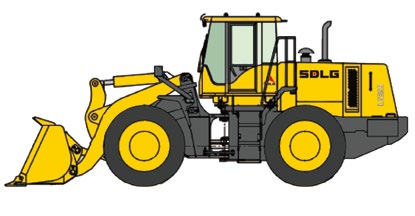 Wheel Loader
 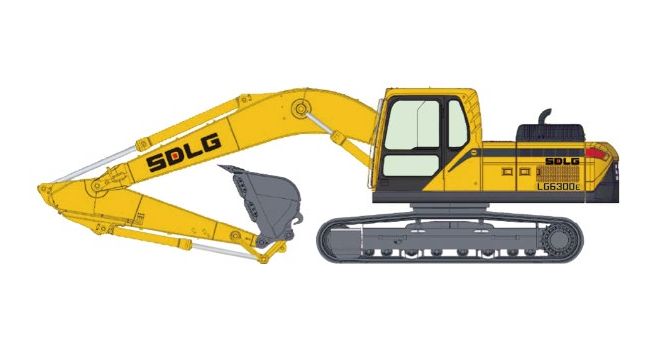 Excavator
 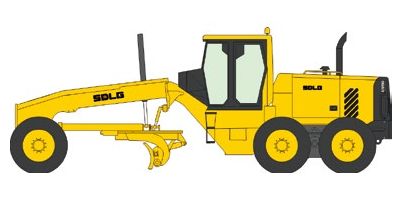 Motor Grader
 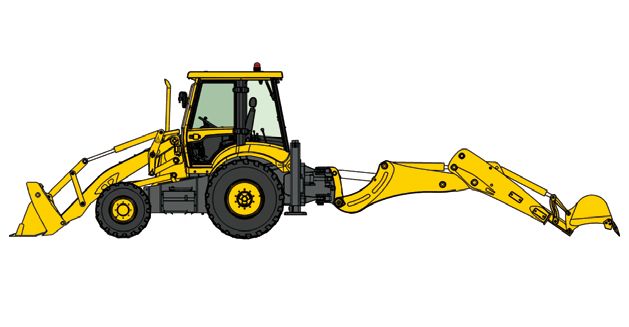 Backhoe Loader
 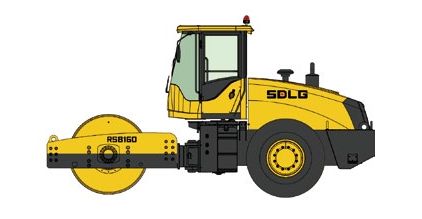 Road Roller
 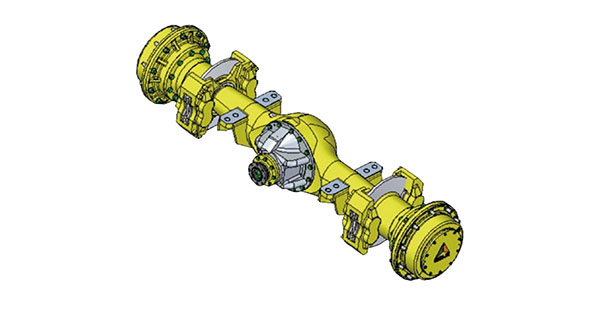 Spare Parts