Top Heavy Equipment Machinery for Global Buyers in 2026?
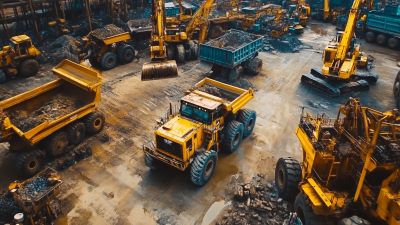
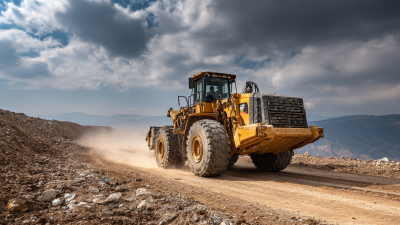
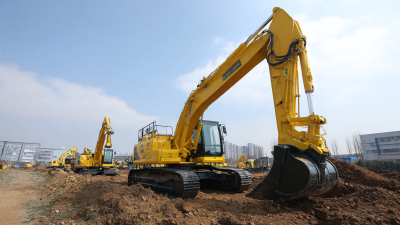
The global demand for Heavy Equipment Machinery is projected to grow significantly by 2026. According to a recent report by MarketsandMarkets, the market size is expected to reach nearly $200 billion. This growth reflects an increased reliance on heavy machinery in construction, mining, and agriculture sectors. However, buyers face challenges, including fluctuating material costs and supply chain disruptions.
The effectiveness of Heavy Equipment Machinery varies by region and technology. North America and Asia-Pacific lead in adopting advanced machinery for enhanced efficiency. Innovative technologies like telematics and automation are gaining traction. Yet, many companies still grapple with integrating these advanced features into their operations.
Understanding these dynamics is crucial for global buyers. Engaging with credible suppliers and conducting thorough market research can help mitigate risks. Buyers must also consider factors like machine lifespan and maintenance costs. This thoughtful approach will ensure informed decisions in a competitive landscape.
Top Heavy Equipment Machinery Trends for Global Buyers in 2026
In 2026, global buyers are poised to navigate several key trends in heavy equipment machinery. The market is expected to reach approximately $200 billion, according to the latest reports from industry analysts. Emphasis on sustainability and energy efficiency will drive the market. Buyers are increasingly selecting machinery that reduces emissions while enhancing productivity. This shift reflects a growing awareness of environmental impacts within construction and mining sectors.
Technological innovations are reshaping the landscape. Automation and smart technologies are gaining traction. Reports indicate that automation could enhance operational efficiency by 30% by 2026. Drones for site surveying and telematics for machine monitoring are becoming standard practices. These advancements help in reducing downtime and improving overall safety on job sites.
**Tips:**
Consider investing in machinery that integrates smart features. This can improve decision-making and efficiency. Regular maintenance remains crucial for extending equipment lifespan. Evaluate financing options to ensure sustainable cash flow in investments. As trends evolve, staying informed is essential for making strategic purchasing decisions.
Top Heavy Equipment Machinery Trends for Global Buyers in 2026
| Machinery Type |
Projected Demand (Units) |
Key Trends |
Growth Rate (%) |
| Excavators |
150,000 |
Increased automation and fuel efficiency |
5.5% |
| Forklifts |
120,000 |
Adoption of electric models |
4.8% |
| Bulldozers |
90,000 |
Enhanced power-to-weight ratio |
3.7% |
| Crushers |
75,000 |
Focus on recycling raw materials |
3.0% |
| Loaders |
135,000 |
Integration with smart technology |
6.2% |
Key Features to Look for in Heavy Machinery for 2026
As global buyers look toward 2026, understanding key features in heavy machinery becomes crucial. Sustainability will play a huge role. Machines with low emissions and high energy efficiency are vital. Eco-friendly technology will not just ensure compliance but also enhance long-term value. Expecting high performance alongside environmental stewardship is the new norm.
Safety should never be overlooked. Enhanced safety features include better visibility, advanced warning systems, and user-friendly controls. Operators must feel secure while on the job. Regular maintenance alerts can also prevent accidents. Unforeseen breakdowns will impact productivity, so proactive systems are essential.
Moreover, adaptability will be a significant feature. The ability to quickly switch attachments can enhance versatility. Projects vary widely, and machinery must accommodate different needs. Consider equipment that can be upgraded easily as technology evolves. Reflecting on these criteria will lead to smarter investments in heavy machinery for 2026.
Top Heavy Equipment Machinery for Global Buyers in 2026
This chart presents the projected market share of various types of heavy machinery in 2026, highlighting the key features that global buyers should consider when making their purchasing decisions.
Impact of Technology on Heavy Equipment Efficiency and Performance
Heavy equipment technology is evolving rapidly. In 2026, it will significantly impact efficiency and performance. The integration of AI and IoT is critical. These technologies enable real-time data collection. They help operators make informed decisions on the job site.
One key benefit is predictive maintenance. Equipment can alert users of potential failures. This reduces downtime and enhances productivity. Operators can schedule repairs at convenient times, preventing unexpected breakdowns.
Tip: Regularly update software systems. This ensures access to the latest features and security updates.
Another important aspect is automation. Autonomous machinery can perform tasks without direct human intervention. This can improve precision and safety. However, adaptation to these technologies can be challenging. Training is essential to maximize their potential.
Tip: Invest in training programs for staff. Knowledgeable operators are vital for successful implementation.
In conclusion, as technology advances, staying current is crucial. The ability to leverage these innovations will determine success in the heavy equipment industry. Companies must reflect on their strategies and adapt accordingly to remain competitive.
Regulatory Changes Affecting Heavy Equipment Purchases by 2026
As the global market for heavy equipment machinery evolves, regulatory changes will significantly impact buyer decisions by 2026. Governments worldwide are implementing stricter environmental regulations. These aim to reduce carbon emissions and promote sustainable practices. This shift encourages manufacturers to innovate and offer more efficient machinery.
Compliance with new standards requires buyers to stay informed. Equipment that meets these regulations will likely hold better resale value. However, changes can create confusion. Buyers may find themselves pressured to adapt quickly to new requirements. This necessity for compliance can be daunting for many businesses.
Furthermore, procurement processes may shift in response to these regulations. Companies should consider the long-term costs versus initial investments. Selecting machinery with the latest technological advancements will be crucial. Heavy equipment may need upgrades or replacements sooner than expected. Thus, careful planning and research are essential.
Emerging Markets for Heavy Machinery: A Global Perspective in 2026
Emerging markets for heavy machinery are gaining attention in 2026. Countries in Asia and Africa are experiencing significant infrastructure growth. These regions are investing heavily in road construction, mining, and agriculture. This surge creates a demand for robust machinery to meet increasing project needs.
The demand for heavy machinery isn't just about quantity. Buyers are looking for reliability and efficiency. However, challenges exist in these markets. Supply chain issues can delay project timelines. Local regulations might complicate operations for foreign buyers. It's important to understand the local landscape.
Furthermore, technology is shaping the future of these markets. Emerging machines incorporate smart technology and automation. These advancements can enhance productivity and decrease costs. Yet, many buyers may struggle to adapt to new technology. This gap presents both risks and opportunities. Awareness of these dynamics is crucial for global buyers in 2026.

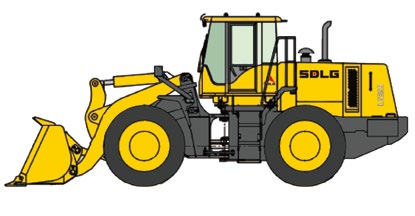 Wheel Loader
 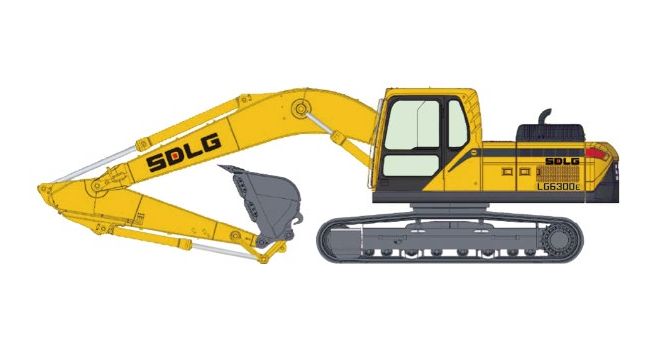 Excavator
 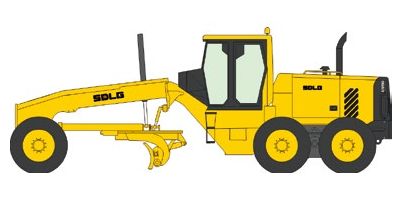 Motor Grader
 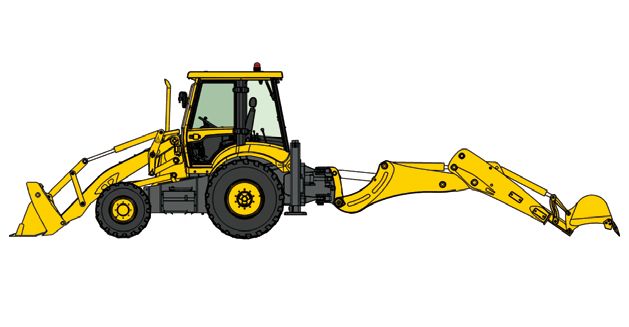 Backhoe Loader
  Road Roller
  Spare Parts