Top 10 Heavy Equipment Tips for Global Buyers?
As global markets evolve, the demand for Heavy Equipment grows. Buyers face unique challenges in this industry. Understanding these challenges can lead to better purchasing decisions.
Choosing the right Heavy Equipment requires knowledge. Factors like quality, pricing, and suppliers play critical roles. Buyers must research equipment specifications thoroughly. Many overlook hidden costs, which can elevate expenses significantly.
Moreover, buyers should consider equipment reliability. A machine's performance impacts overall project success. This emphasizes the importance of selecting reputable brands. Knowledge and experience are vital in this competitive landscape. Effective decision-making can prevent future regrets and financial losses.
Identifying Reliable Heavy Equipment Suppliers Worldwide
Choosing reliable heavy equipment suppliers is crucial for global buyers. Start by researching potential suppliers’ backgrounds. Look for companies with extensive experience in the industry. They should have a proven track record of quality and durability. Check online reviews and ratings. This information can be revealing.
Engage with suppliers directly. Ask about their sourcing practices and quality control measures. Reliable suppliers should be transparent. They must share details about their equipment's specifications and warranties. Don’t hesitate to request references from previous clients. Hearing directly from other buyers adds valuable insights.
Supply chain stability is essential. Ensure that suppliers can deliver on time and manage logistics efficiently. Inquire about their after-sales services. Support after the sale can reflect a company’s reliability. Be cautious of deals that seem too good to be true. Quality often comes at a price, and it's worth considering long-term costs. This approach will foster better partnerships and ensure successful projects.
Top 10 Heavy Equipment Tips for Global Buyers
This chart displays key factors that global buyers consider when selecting reliable heavy equipment suppliers. The data reflects the importance of various criteria ranked from 1 to 10.
Understanding Key Specifications for Heavy Machinery Purchases
When purchasing heavy machinery, understanding key specifications is crucial. For instance, engine power, lifting capacity, and weight play significant roles. A recent report by the Association of Equipment Manufacturers highlights that 57% of buyers prioritize power-to-weight ratios. This ratio affects both performance and fuel efficiency, impacting operational costs.
In addition to power, maintenance requirements are often overlooked. Regular maintenance can prolong machinery life and performance. According to a study by the National Association of Heavy Equipment Training Schools, machines that are serviced regularly can have up to 30% better resale value. Knowing maintenance schedules and parts availability should guide your purchase decisions.
Buyers should also consider technology integration. As per recent insights from Global Industry Analysts, telematics and IoT capabilities are becoming standard in equipment specs. However, not all buyers fully understand these technologies. This gap can lead to underutilization, potentially negating benefits. Choose machines that align with your operational needs while also keeping future technology upgrades in mind.
Evaluating Total Cost of Ownership Beyond Initial Purchase Price
When considering heavy equipment purchases, evaluating the total cost of ownership (TCO) is critical. Buyers often focus primarily on the initial purchase price. However, this approach overlooks additional costs that accumulate over time.
Maintenance, fuel, and insurance can significantly impact the overall expenditure. For instance, a machine may have a lower initial price but higher maintenance costs, making it more expensive in the long run.
Additionally, the depreciation rate plays a vital role in TCO. Equipment value decreases over time, affecting resale potential. Buyers need to consider how each piece of equipment will hold its value.
A model that seems cost-effective upfront may lose value quickly due to a lack of robust features or poor reliability. Reflecting on past purchases can help identify patterns that lead to better decisions.
Training and operation costs shouldn’t be ignored either. Operator skills directly affect productivity and safety. Investing in quality training can mitigate accidents and reduce downtime. Therefore, approaching heavy equipment acquisition holistically ensures better financial planning.
Consider all costs involved, not just the initial outlay. This mindset change leads to smarter investments in the heavy equipment sector.
Considering Maintenance and Support Options for Heavy Equipment
When buying heavy equipment, maintenance and support options are critical for global buyers.
According to the Association of Equipment Manufacturers, 30% of equipment failures result from poor maintenance practices.
This highlights the importance of understanding service plans offered by suppliers. Buyers need to evaluate warranties,
regular service schedules, and parts availability.
Many companies overlook the hidden costs of maintenance and support. It’s essential to consider how much downtime could impact productivity.
A recent study indicated that unexpected repairs can cost businesses up to $50,000 per hour in lost revenue.
Therefore, investing in reliable maintenance options can prevent larger financial losses down the line.
Evaluating local service capabilities is also vital. Some regions may lack access to skilled technicians, making repairs difficult and lengthy.
Research shows that equipment with robust support options often has a higher resale value.
This suggests that maintenance isn’t just a cost, but an investment in the machine's overall value.
Addressing these issues upfront can lead to better equipment performance and satisfaction.

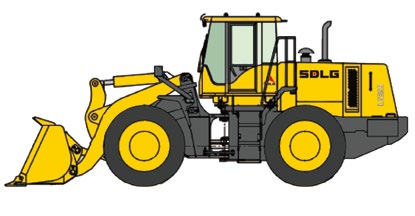 Wheel Loader
 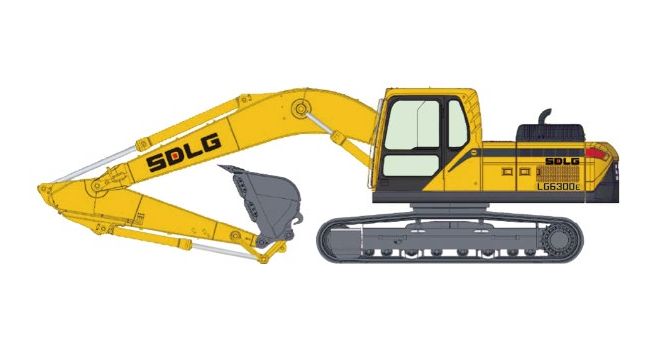 Excavator
 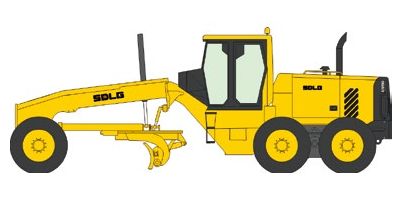 Motor Grader
 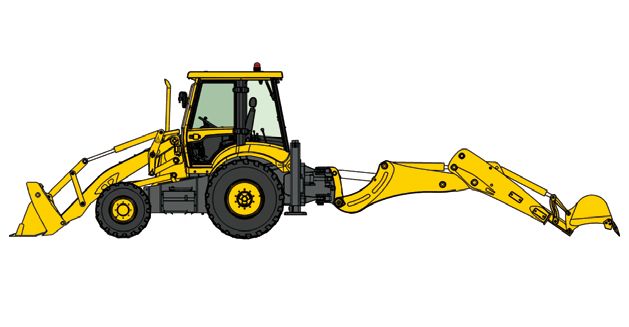 Backhoe Loader
 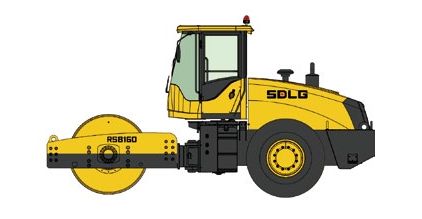 Road Roller
 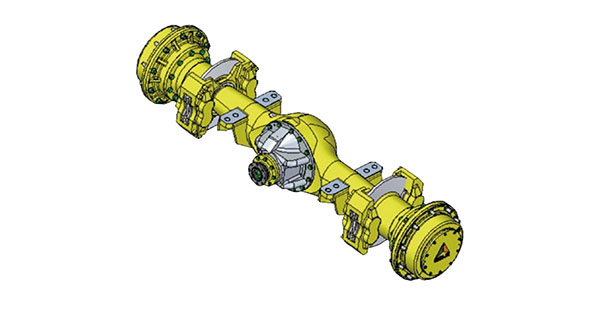 Spare Parts