Top Heavy Equipment Trends for 2026 What Buyers Need to Know
As we approach 2026, buyers in the heavy equipment sector face a rapidly evolving landscape. Innovations in technology, sustainability, and operational efficiency are shaping the future of heavy equipment. Buyers must stay informed to make strategic investment decisions.
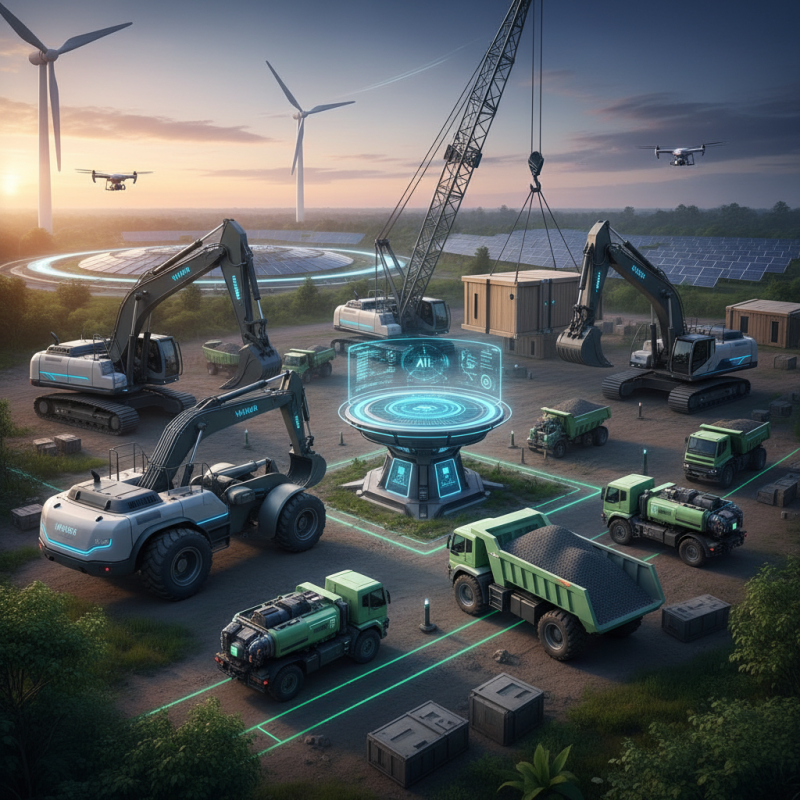
Heavy equipment will become more integrated with advanced technology. IoT and AI applications promise to enhance performance and reduce operational costs. However, the challenge lies in selecting the right machinery that aligns with specific project needs.
Sustainability trends are also gaining momentum. Buyers should consider eco-friendly options that comply with new regulations. These choices may lead to higher upfront costs but can result in savings over time. Understanding these trends is essential for any serious buyer in the heavy equipment market.
Emerging Technologies Shaping the Heavy Equipment Industry in 2026
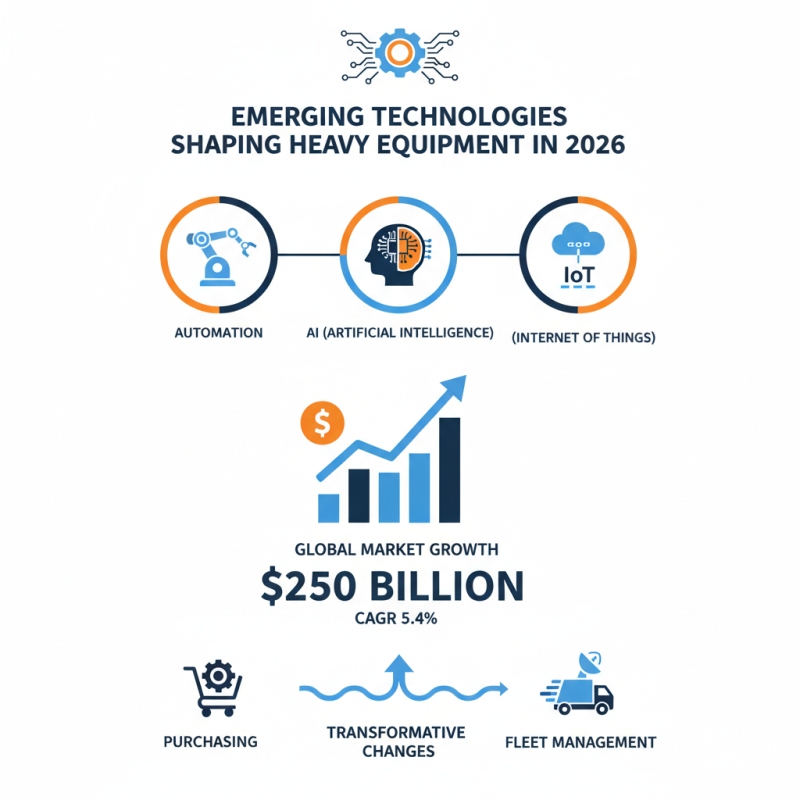
The heavy equipment industry is on the brink of transformative changes due to emerging technologies. In 2026, advancements such as automation, AI, and IoT will better meet user demands. According to recent reports, the global heavy equipment market is projected to grow at a CAGR of 5.4%, reaching approximately $250 billion. This surge will significantly affect how companies approach purchasing and fleet management.
Buyers should prioritize understanding these trends to stay competitive. For instance, automation in heavy machinery could increase efficiency but requires a solid training program for operators. The integration of AI technologies can also enhance predictive maintenance, reducing downtime. Companies are investing more in telematics, which collect vital data on equipment performance. This strategic shift can lead to more informed decisions about asset management.
Tips: Regularly assess your current equipment and its capabilities. Embrace training programs focused on new technologies. Stay updated on market reports to find opportunities for cost-effective improvements. Emerging tech may come with a learning curve, so be prepared for initial challenges. Understanding these changes now will pave the way for future success in a rapidly evolving landscape.
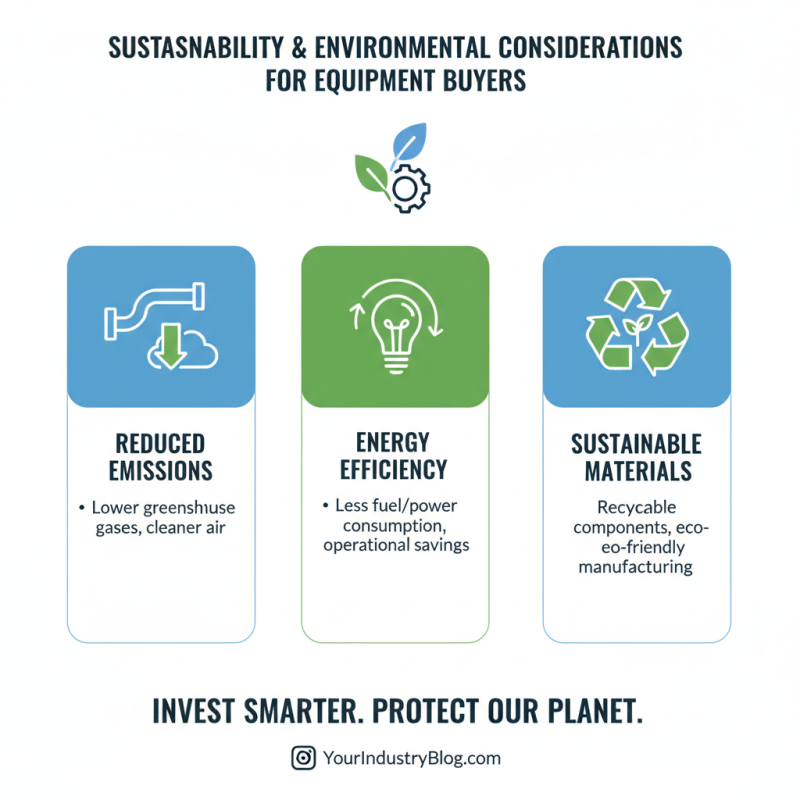
Sustainability and Environmental Considerations for Equipment Buyers
As the construction and heavy equipment industries evolve, sustainability remains a key focus for equipment buyers. The shift toward eco-friendly practices is not just a trend; it is a necessity. Buyers must understand the importance of selecting equipment that minimizes environmental impact. This includes evaluating emissions, energy efficiency, and the use of sustainable materials.
New technologies play a crucial role in achieving these goals. Electric and hybrid machinery is gaining traction, offering lower emissions and improved fuel efficiency. Buyers should invest time in researching these options. However, not all solutions are perfect. The initial cost may be higher, and some technologies are still developing.
Equipment maintenance practices also need a sustainable approach. Regular servicing can extend the lifespan of machines and reduce waste. Buyers must commit to this responsibility. It's essential to remain informed about evolving regulations and standards. Staying ahead can ensure compliance and promote a more sustainable operational model. Balancing cost and environmental impact requires careful consideration.
Automation and AI: The Future of Heavy Machinery Operations
The heavy equipment industry is rapidly evolving, driven by automation and artificial intelligence. By 2026, these technologies will reshape how machinery operates. The integration of AI can optimize operations, improving efficiency and safety. Automated systems can handle complex tasks, reducing human error significantly. This shift will require operators to adapt to new tools and workflows.
Many companies face challenges in adopting these advancements. Training personnel is crucial. Workers must understand the technology to fully utilize it. Current employees may need to upskill to keep pace with innovations. There is uncertainty about job displacement as machines take over routine tasks. Balancing automation with job security will be essential for smooth transitions.
Reliability in AI-driven systems is paramount. Users must trust that machines will perform as expected. Regular maintenance and updates are necessary to ensure optimal performance. Companies must address the potential pitfalls of relying heavily on technology. Developing a strategy that incorporates human oversight can mitigate these risks. The future of heavy machinery operations hinges on this balance of technology and human expertise.
Top Heavy Equipment Trends for 2026
Key Market Trends Influencing Buyer Decisions in 2026
In 2026, the heavy equipment market will undergo significant changes. Buyers must stay informed about emerging trends. Sustainability continues to shape decisions. More buyers seek fuel-efficient and eco-friendly options. However, the transition can be slow. Manufacturers may struggle to meet green technology demands.
Automation is on the rise. Equipment with advanced technology is becoming popular. Buyers appreciate features like remote monitoring and AI integration. These innovations promise efficiency and reduced downtime. Still, there’s a learning curve. Training staff to operate sophisticated machinery can be challenging.
Financing options also influence buyers. With fluctuating interest rates, decisions become complex. Many firms worry about maintaining cash flow. They might delay purchases due to financial uncertainty. This hesitation could impact future market dynamics. Understanding these factors is crucial for making informed choices in 2026.
Financial Strategies for Investing in Heavy Equipment in the Modern Era
Investing in heavy equipment demands a strategic approach, especially in today’s fluctuating market. The global heavy equipment market is projected to grow at a compound annual growth rate (CAGR) of 5.6% through 2026, according to a recent report from Market Research Future. This growth reflects increased demand across various industries, including construction and mining. However, understanding financing options is crucial for buyers.
When considering an investment, weigh your financing methods. Traditional loans can offer stability, but they may affect cash flow. Alternative financing, such as leasing, provides more flexibility and can be advantageous for short-term projects. Utilize this approach carefully; lease terms can vary widely and may impact long-term ownership plans.
**Tip:** Assess your project's duration against the equipment’s expected life. This could highlight the benefits of leasing versus purchasing.
Many new buyers overlook the importance of total cost of ownership (TCO). Maintenance, insurance, and downtime can accumulate significantly. According to a study by the Association of Equipment Manufacturers, up to 40% of a machine’s lifetime costs arise from ownership and operation.
**Tip:** Always calculate TCO before making a purchase. This includes not just the upfront cost but also recurring expenses that impact your budget.
Understanding these financial strategies equips buyers to make informed decisions in a competitive landscape.
Top Heavy Equipment Trends for 2026
What Buyers Need to Know
| Trend |
Description |
Investment Considerations |
Projected Growth (%) |
| Electrification |
Increasing adoption of electric heavy machinery to reduce emissions. |
Higher initial costs but potential long-term savings on fuel. |
25% |
| Automation |
Integration of automated systems in heavy equipment for increased efficiency. |
Costs related to technology integration and training for operators. |
30% |
| Telematics |
Use of telematics to monitor equipment performance and maintenance needs. |
Investment in software and potential subscription fees. |
20% |
| Sustainability |
Focus on environmentally friendly materials and practices in equipment production. |
Potentially higher upfront investment but aligned with regulatory trends. |
15% |
| Smart Technologies |
Incorporation of AI and machine learning for predictive maintenance. |
Requires investment in advanced technologies and training. |
40% |

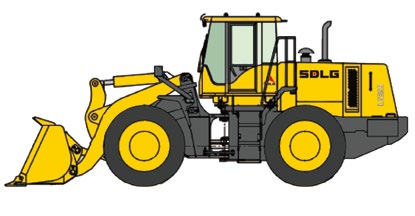 Wheel Loader
 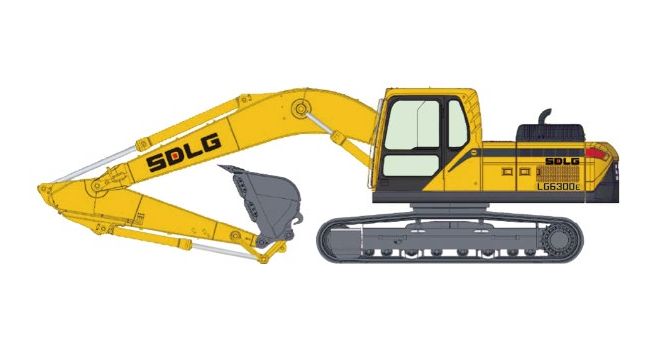 Excavator
 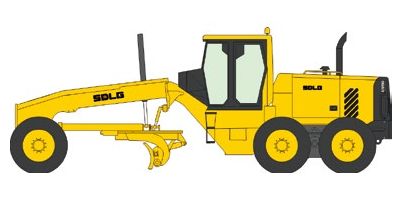 Motor Grader
 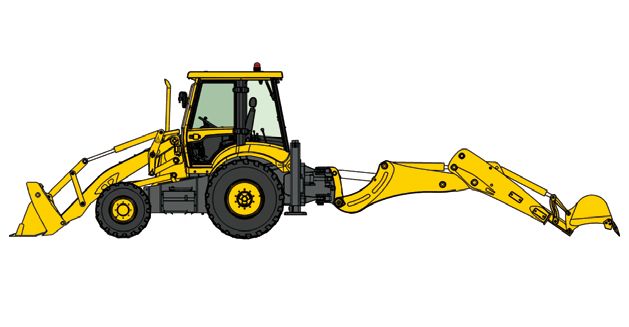 Backhoe Loader
 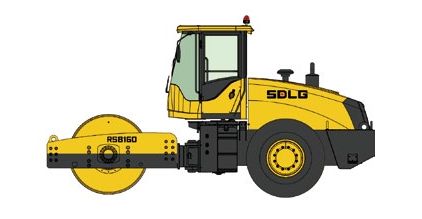 Road Roller
 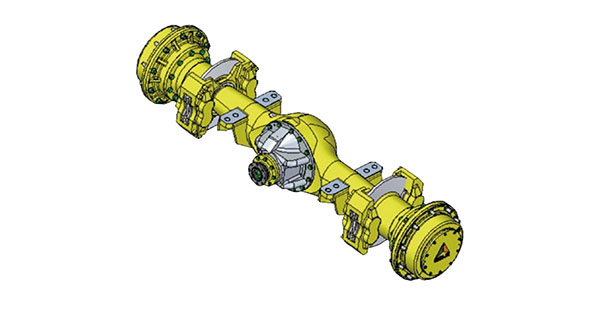 Spare Parts