Leave Your Message

China Top Heavy Machinery Transport Services?

China’s heavy equipment market keeps expanding, but moving excavators, cranes, and mining trucks remains a specialized task. Heavy Machinery Transport demands more than a suitable trailer. It requires route surveys, accurate dimensions, axle-load calculations, securement plans, and experienced coordination.

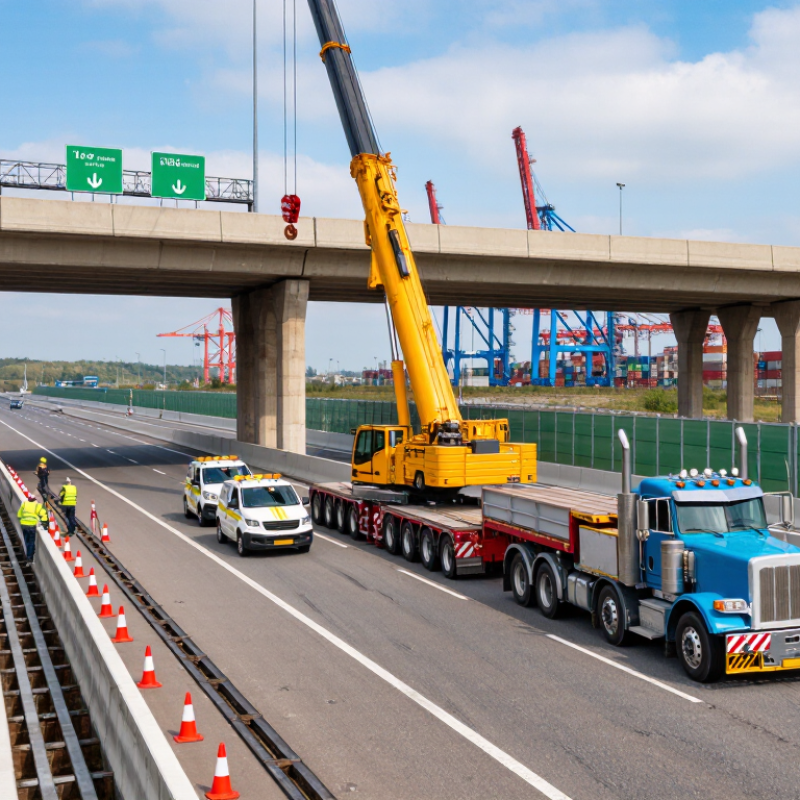
A 120-ton crawler crane may need a modular trailer, escort vehicles, temporary road plates, and carefully timed bridge crossings. Port handling adds another layer. Weather can change the schedule. So can an unexpected height restriction. Small errors become expensive delays. Sometimes, the plan still needs revision.

Heavy-haul consultant Paul G. Roberts describes the principle clearly: “The safest load is planned before it is booked.” This view reflects real transport experience. Reliable providers inspect the machine first, confirm lifting points, and document its operating weight. They also explain risks instead of promising an unrealistically fast delivery.

This outline examines China’s leading Heavy Machinery Transport services through practical and professional criteria. It considers fleet capability, engineering support, domestic coverage, port access, cargo protection, communication, and delivery transparency. It also asks uncomfortable questions. Is the quoted price complete? Does the carrier understand local road limits? Can the team respond when the original route fails?

No provider is perfect. That matters.

The strongest companies usually combine modern equipment with disciplined preparation. Their value appears before departure, during loading, and after final delivery. Buyers should compare evidence, not attractive slogans. A successful move leaves the machine ready for work, with no avoidable damage, confusion, or hidden cost.
China Top Heavy Machinery Transport Services?

Heavy Machinery Transport Services in China: An Overview

Heavy Machinery Transport Services in China: An Overview

China’s heavy machinery transport services support construction, energy, manufacturing, and infrastructure projects. Typical cargo includes excavators, drilling rigs, transformers, cranes, and oversized production units. Each movement begins with accurate measurements, including length, width, height, weight, and axle load. Small errors can create serious route problems.

Route planning usually considers bridge capacity, road width, turning space, tunnels, traffic restrictions, and seasonal weather. Urban deliveries may require timed access and coordinated traffic control. Rural routes can present different risks, such as weak shoulders or steep gradients. Experienced teams inspect difficult sections before dispatch. This step is not always convenient, but it prevents expensive surprises.

Loading requires suitable cranes, ramps, lifting points, and certified restraints. Operators should check the center of gravity before securing the machine. Chains, straps, timber supports, and protective padding help reduce movement and surface damage. The cargo may travel by road, rail, inland waterway, or a combined method. Port transfers demand careful scheduling and document control. Customs procedures, insurance, permits, and delivery records must match the actual shipment.

Communication matters throughout the journey. A professional coordinator should provide progress updates, photo records, and immediate notice of delays. Weather can change a safe plan quickly. Some schedules still prove too optimistic. Reviewing those mistakes honestly improves future transport planning. Reliable service depends on careful measurement, trained personnel, maintained equipment, and clear responsibility at every handover.
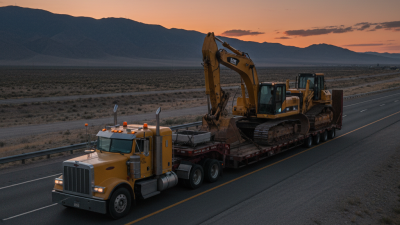
Types of Equipment Handled by Chinese Transport Providers

China Top Heavy Machinery Transport Services?

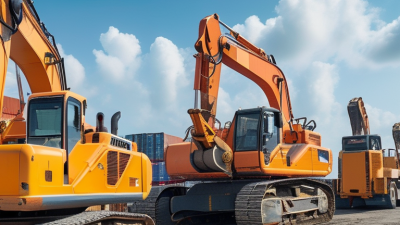
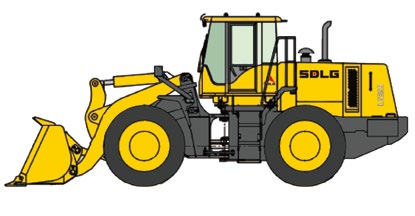
Chinese heavy machinery transport providers handle a wide range of oversized equipment. Common cargo includes excavators, bulldozers, wheel loaders, graders, mobile cranes, and drilling rigs. They also move agricultural machines, mining equipment, factory modules, and renewable-energy components. Each item needs a different loading method. Weight matters. So does shape.

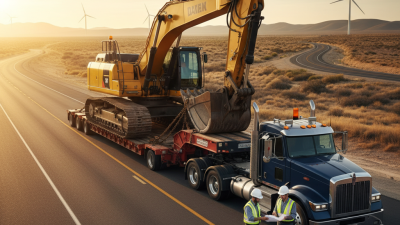
A tracked excavator may travel on a low-bed trailer after removing its boom or bucket. Large cranes often require route surveys, bridge checks, and axle-load calculations. Factory equipment can move by road, rail, inland waterway, or sea. Flat racks and roll-on roll-off vessels may support international shipments. Experienced teams inspect lifting points, center of gravity, tire pressure, and securing chains before departure. Photographs record the cargo condition.

Details decide reliability. A few centimeters can affect a narrow gate or turning radius. Rain can change road conditions around construction sites. Clear drawings and accurate dimensions help prevent delays, although planning is never perfect. I have found that missing height data causes more trouble than expected. Teams should recheck measurements, permits, packing, and unloading space before the truck leaves. Communication between the carrier, site manager, and receiver remains essential, especially when equipment arrives in separate sections.

China Top Heavy Machinery Transport Services? - Types of Equipment Handled by Chinese Transport Providers

Equipment Category Typical Equipment Examples Typical Operating Weight Common Transport Format Common Loading Requirements Key Planning Considerations
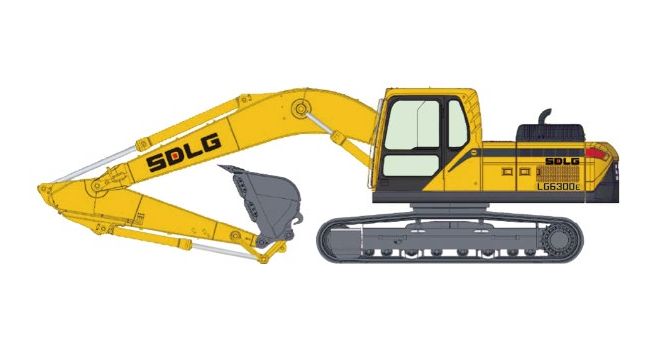
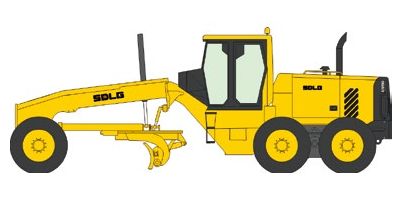
Earthmoving Machinery Crawler excavators, bulldozers, wheel loaders and motor graders 8–80 tonnes Low-bed trailer or modular hydraulic trailer Ramps, heavy-duty chains, binders and axle-load distribution Overall height, machine width, route clearance and road weight limits
Mining Equipment Mining haul trucks, crushers, screens and drilling rigs 30–300+ tonnes Multi-axle modular trailer, heavy-lift vessel or breakbulk shipment Engineered lifting points, spreader beams and specialist securing plans Bridge capacity, turning radius, port handling limits and route surveys
Cranes and Lifting Equipment Mobile cranes, crawler cranes, tower-crane sections and telescopic handlers 10–250 tonnes Extendable low-bed, modular trailer or componentized shipment Boom sections may require separate loading; certified lifting gear is essential Boom length, counterweight separation, overhead obstacles and assembly sequence
Construction Plant Piling rigs, concrete pumps, asphalt pavers and batching equipment 12–100 tonnes Low-bed trailer, flatbed trailer or sectional cargo shipment Securement at designated frame points and protection for hydraulic components Job-site access, delivery time windows, temporary traffic controls and permits
Agricultural Machinery Combine harvesters, tractors, self-propelled sprayers and forage harvesters 5–35 tonnes Flatbed, step-deck or low-bed trailer Attachment removal, tire chocks, rated straps and protection for exposed parts Oversize width, seasonal delivery schedules, rural road conditions and biosecurity requirements
Energy and Power-Plant Components Generators, transformers, turbines, boilers and pressure vessels 20–500+ tonnes Hydraulic modular trailer, barge, heavy-lift vessel or rail-compatible wagon Center-of-gravity analysis, shock protection, engineered saddles and monitored securing Route engineering, bridge assessments, port discharge plans and weather exposure
Steel and Industrial Fabrications Steel structures, pressure vessels, industrial skids and storage tanks 10–200+ tonnes Flat rack, open-top container, breakbulk or modular trailer Timber blocking, anti-slip materials, tarpaulin protection and weld-safe restraints Lift plans, corrosion protection, lashing points and dimensional compliance
Port and Material-Handling Equipment Reach stackers, forklifts, ship loaders, conveyors and terminal tractors 8–150 tonnes Ro-ro vessel, flatbed, low-bed or breakbulk service Operational shutdown, fuel and battery handling, wheel restraints and ramp access Port cut-off times, berth compatibility, ramp height and terminal safety rules
Railway and Metro Components Rail cars, track-laying machines, tunnel-boring components and bogies 15–300+ tonnes Specialized rail wagon, modular trailer or multimodal shipment Rail-compliant blocking, vibration control and engineered lifting arrangements Loading gauge, axle loads, interchange requirements and final-site access
Oversized Industrial Modules Factory modules, process units, chemical skids and prefabricated plant sections 50–1,000+ tonnes Self-propelled modular transporter, barge or heavy-lift vessel Temporary support frames, structural calculations and multi-point restraint systems Full route survey, bridge and pavement analysis, police escort and delivery engineering

Weight ranges are representative planning values. Actual transport requirements depend on the equipment's certified dimensions, center of gravity, dismantling plan, route restrictions, cargo condition and applicable national or local regulations.

Key Transport Methods for Oversized Machinery

Oversized machinery transport begins with measurement, not a truck booking. Record height, width, length, weight, center of gravity, and lifting points. The 2023 Freight Facts and Figures report from the Federal Highway Administration estimates that trucks carried about 12.5 billion tons of U.S. freight in 2022. That volume shows why heavy-haul planning needs strict control, especially for excavators, presses, and turbines.

Lowboy trailers suit tall equipment because their deck reduces overall height. Hydraulic modular trailers handle extreme weights and distribute pressure across multiple axles. For long international moves, breakbulk vessels or roll-on/roll-off ships can reduce repeated lifting.

Road transport still needs careful checks. Federal limits generally include 80,000 pounds gross vehicle weight, with lower axle limits, unless authorities issue special permits. A route survey should check bridges, turning radii, gradients, utility cables, and temporary road closures. A route can look perfect on paper, yet one low branch can stop the move.

Tips: Photograph every clearance point before departure. Use calibrated weighing equipment. Secure movable parts separately. Confirm escort requirements and permit dates. Allow weather time, because wind can make a wide load unstable. No plan is flawless. Experienced teams review weak assumptions after every movement, rather than trusting the first schedule. The International Transport Forum’s freight analysis also supports using intermodal planning to reduce unnecessary road exposure and handling risks.

Safety, Permits, and Regulatory Requirements

China’s heavy machinery transport demands more than a suitable low-bed trailer. Oversized dimensions, axle loads, and route restrictions must be checked before dispatch. China’s GB 1589-2016 standard defines limits for vehicle dimensions, weight, and axle loading. Operators may also need an over-limit transport permit through the relevant highway authority.

A 4.2-metre-high excavator can clear one bridge but strike another. Route surveys should record bridge heights, turning radii, weak pavements, and temporary roadworks. Permit applications normally require vehicle details, cargo dimensions, total weight, axle distribution, travel route, and safety measures. Local requirements can differ. That uncertainty deserves attention.

Safety remains a people issue. The IRU Global Driver Shortage Report 2023 estimated a worldwide shortage of over three million professional truck drivers. Heavy-haul work needs verified experience, fatigue controls, loading supervision, and clear communication with escorts. The World Health Organization’s Global Status Report on Road Safety 2023 recorded about 1.19 million annual road deaths worldwide, showing why a signed checklist is not enough. In practice, a permit can still miss an unsafe bridge approach or a poorly secured hydraulic arm. Inspectors should photograph tie-down points, confirm load balance, and recheck clearances after loading. Small oversights become expensive quickly.

How to Select a Reliable Machinery Transport Service

China Top Heavy Machinery Transport Services?

How to Select a Reliable Machinery Transport Service

Moving excavators, cranes, or industrial presses requires more than a suitable truck. The carrier must understand weight distribution, lifting points, road limits, and delivery-site conditions. Ask for documented experience with machinery similar to yours. A vague answer is a warning sign.

Request the carrier’s operating qualifications, cargo insurance details, and safety procedures before booking. Reliable providers can explain how they inspect trailers, secure loads, and protect sensitive components from vibration or weather. They should also survey the route, checking bridge clearances, turning space, gradients, and local transport requirements. Written details matter.

The quotation should show transport costs, loading equipment, escort needs, storage, and possible access charges. Extremely low prices may exclude essential services. Confirm the communication process, tracking method, emergency contact, and damage-reporting procedure. Photos taken before loading create a useful condition record. I have found that small measurements, such as gate width and axle height, often prevent expensive delays. Still, even careful planning can miss a restricted road or an unprepared unloading area. A dependable service responds honestly when plans change, rather than promising certainty too early. Ask who makes decisions on site. Availability matters.

China Top Heavy Machinery Transport Services? How to Select a Reliable Machinery Transport Service

China’s 2023 World Bank Logistics Performance Index scores provide a practical reference when evaluating heavy machinery transport providers. Infrastructure, logistics competence, tracking, and timeliness are especially important for safe route planning, shipment visibility, and on-time delivery.

Source: World Bank, Logistics Performance Index 2023. Scores range from 1 to 5.