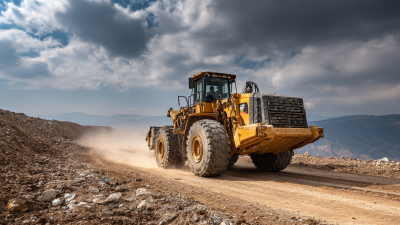
Top Heavy Equipment Machinery Trends for Global Buyers?
In the rapidly evolving landscape of Heavy Equipment Machinery, understanding the latest trends is crucial for global buyers. This sector is not only about powerful machines; it embodies innovation, efficiency, and sustainability. With accelerating technology and changing market demands, staying abreast of these trends can significantly impact decisions and purchases.
The industry now faces challenges that require thoughtful reflection. Buyers must consider not just cost but long-term value and environmental impact. Advanced automation and smart technologies are reshaping machinery capabilities, yet they can also lead to complexities in operations.
Today's global market demands more than traditional approaches. Adapting to trends like electrification and AI integration is essential for future success. Heavy Equipment Machinery must evolve, and so should the strategies employed by buyers. The key is to embrace change while critically assessing its implications.
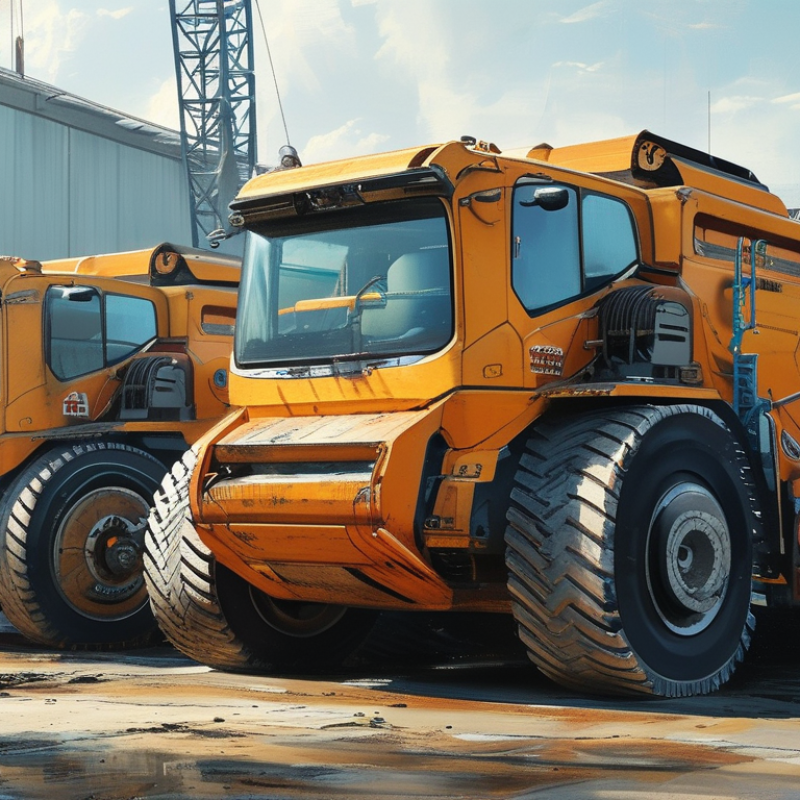
Emerging Technologies in Heavy Equipment Machinery
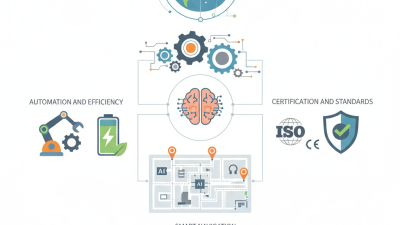
Emerging technologies in heavy equipment machinery are reshaping the industry. The integration of artificial intelligence (AI) is a key driver. AI enhances operational efficiency. It allows machinery to learn from previous tasks. This ensures optimal performance and reduces downtime.
Automation is also becoming significant. Many machines now operate with minimal human intervention. This trend leads to safer working environments. However, reliance on automation can create challenges. Operators must adapt to new technologies. Training is essential to maximize effectiveness.
Additionally, electric and hybrid machines are gaining traction. They promise reduced emissions and lower fuel costs. The transition to sustainable options is vital. Yet, the infrastructure for supporting such technologies is still developing. Stakeholders must address these gaps to fully embrace change. The future of heavy machinery relies on these evolving technologies. They present opportunities but also require careful consideration and adaptability.
Top Heavy Equipment Machinery Trends for Global Buyers
| Trend |
Description |
Impact on Industry |
Emerging Technology |
Expected Adoption Rate (%) |
| Telematics Integration |
Utilization of telematics for real-time monitoring and data analysis. |
Improves operational efficiency and reduces downtime. |
IoT Devices |
70% |
| Automation & Robotics |
Implementation of automated machinery and robotic systems. |
Enhances precision and reduces labor costs. |
AI & Robotics |
65% |
| Sustainable Practices |
Focus on minimizing carbon footprints and resource usage. |
Promotes environmental responsibility and compliance. |
Green Technology |
60% |
| Data Analytics |
Leveraging data analytics to improve decision making. |
Increases productivity and cost-effectiveness. |
Data Science |
75% |
| Virtual Reality Training |
Use of VR for operator training and simulation. |
Improves safety and training efficiency. |
VR Technology |
50% |
Impact of Automation on Heavy Equipment Operations
Automation is reshaping heavy equipment operations. Integrating advanced technologies offers numerous benefits. However, it also introduces challenges that need careful consideration.
Robotics and AI improve precision and efficiency. For instance, autonomous vehicles can move materials without human intervention. Yet, this raises questions about job security. Workers may feel threatened by the deployment of automated systems. The industry must address these concerns to maintain morale and productivity.
Data analytics play a significant role in enhancing operational capabilities. By predicting equipment failures, companies can avoid costly downtime. However, reliance on data can lead to overconfidence. Organizations might underestimate the importance of human oversight in decision-making. Balancing technology with human experience is crucial for success.
Global Market Trends Influencing Heavy Machinery Purchases
As global construction activities ramp up, several market trends impact heavy machinery purchases. An estimated 7% growth in the construction sector is projected for the next five years. This growth drives significant demand for advanced equipment. Buyers are increasingly choosing machinery that emphasizes sustainability and fuel efficiency. The trend reflects a shift toward eco-friendly investments.
Data from industry reports shows that around 35% of buyers are prioritizing automation features. These features reduce labor costs and improve safety measures on job sites. There is also a noted emphasis on telematics technology. This technology allows operators to monitor equipment performance in real-time, enhancing operational efficiency. However, 15% of purchasers are still hesitant. They express concern over the long-term reliability of such advanced machinery.
Despite these advancements, challenges remain. Many buyers struggle with high initial costs. According to market analysts, this discourages companies from upgrading outdated equipment. Additionally, inadequate knowledge about new technologies poses another barrier. Understanding and integrating these trends is crucial for global buyers navigating this dynamic market landscape.
Top Heavy Equipment Machinery Trends for Global Buyers
Key Considerations for Buyers in Heavy Equipment Investment
When considering heavy equipment investments, global buyers must navigate a complex landscape. The demand for heavy machinery is projected to grow by 5.2% annually through 2026, according to industry reports. This growth stems from increasing infrastructure projects and advancements in technology. Buyers need to be aware of regional market dynamics and economic factors impacting prices.
Tips: Always conduct thorough market research. Understand the specific needs of your project, and seek out machinery that enhances efficiency and productivity.
Additionally, it's crucial to evaluate total cost of ownership. This includes maintenance costs, fuel consumption, and potential resale value. Recent data indicates that equipment maintenance can account for nearly 30% of operational costs over time. Skipping proper maintenance may lead to unexpected expenses and reduced lifespan.
Think critically about financing options. With the heavy equipment market fluctuating, securing favorable terms can significantly impact overall investment success. Engage with industry experts who can provide insights tailored to your needs.

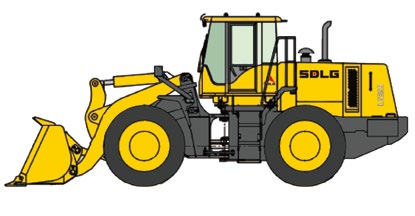 Wheel Loader
 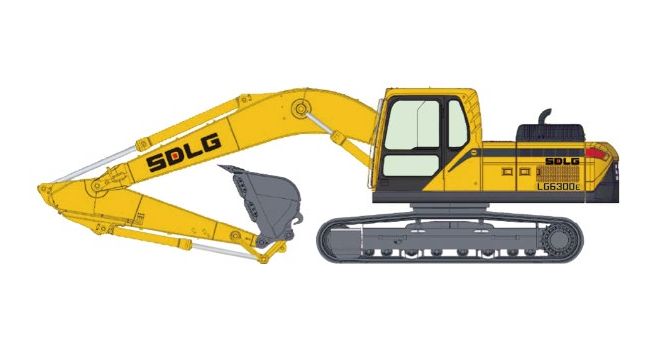 Excavator
 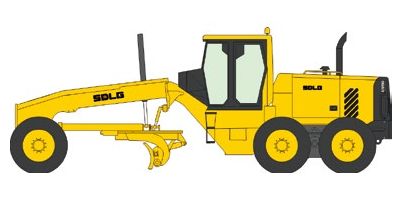 Motor Grader
 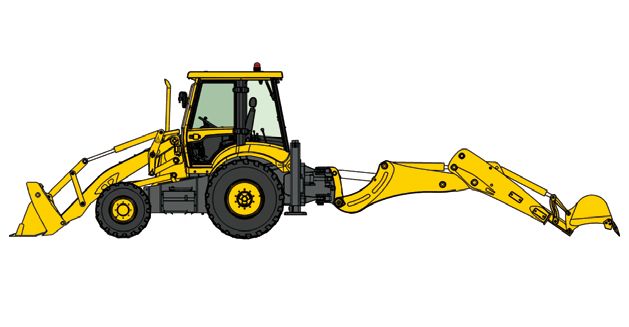 Backhoe Loader
 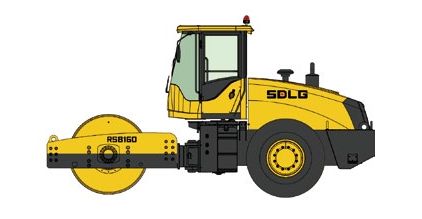 Road Roller
 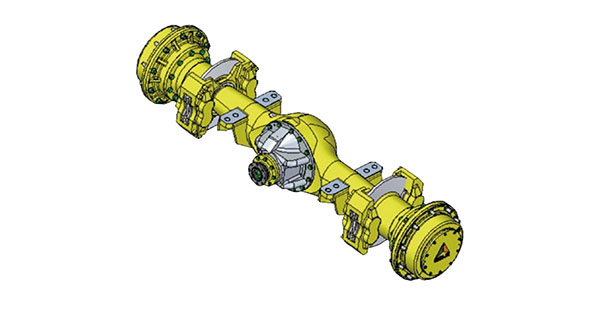 Spare Parts