Top 10 Heavy Equipment Tips for Smart Global Purchasing
In the world of Heavy Equipment, smart purchasing decisions can significantly impact operational efficiency and cost management. According to a recent report by the Association of Equipment Manufacturers, the global heavy equipment market is projected to reach $192 billion by 2027, reflecting the growing demand for advanced machinery. As companies seek to improve productivity, understanding the nuances of global purchasing becomes critical.
Expert insights from John Smith, a recognized authority in the Heavy Equipment sector, underline the importance of strategy. "In this rapidly evolving industry, informed purchasing is key to staying competitive," he notes. Companies that embrace data-driven decisions save time and resources, leading to better procurement outcomes. Yet, many organizations still overlook this aspect, resulting in inefficiencies.
Navigating the complexities of global purchasing is not straightforward. For instance, fluctuating exchange rates and varying regulations can affect pricing and availability. Additionally, businesses frequently encounter supply chain disruptions. Reflecting on these challenges is essential for crafting more effective purchasing strategies. Being proactive instead of reactive is vital for success in the fast-paced Heavy Equipment landscape.

Understanding the Global Heavy Equipment Market Dynamics
The global heavy equipment market is subject to diverse dynamics influenced by economic trends and regional demands. According to a recent industry report, the market was valued at approximately $160 billion in 2022. It is projected to grow at a compound annual growth rate (CAGR) of 4.5% through 2030. This growth reflects increased investment in infrastructure worldwide. Emerging economies are ramping up their construction projects, boosting demand for heavy machinery.
Understanding the fluctuations in material costs is critical. Steel prices, for example, have seen significant volatility since 2020. The pandemic disrupted supply chains, resulting in price hikes. Buyers must stay informed about these changes. Some regions may retain higher prices, while others may offer better deals due to local market saturations. Data from the Global Construction Perspectives suggests that demand for sustainable and efficient equipment is rising.
Establishing strong relationships with suppliers can provide insights into upcoming trends. Markets can shift suddenly, and having a reliable source of information ensures better purchasing decisions. Collaborating with local dealers offers a clearer picture of regional nuances. However, it is also essential to remain open to alternative suppliers. Sometimes, previously overlooked options can yield cost savings and improved service.
Top 10 Heavy Equipment Tips for Smart Global Purchasing
Identifying Key Factors for Smart Equipment Purchasing
When considering heavy equipment purchasing, several key factors come into play. Understanding your project's specific needs is crucial. Analyze job requirements and equipment specifications carefully. This ensures that your choices align with operational demands. Equipment should be reliable and efficient. A thorough evaluation of potential suppliers will help in this regard.
Another aspect to consider is the total cost of ownership. Look beyond the initial purchase price. Maintenance, fuel consumption, and downtime can significantly impact your budget. Make sure to weigh these factors in your decision-making process. Often, the cheapest option can lead to higher long-term costs.
It's essential to conduct proper research. Seek out industry insights and expert opinions. Peer recommendations can provide valuable perspectives. Don't shy away from asking tough questions about warranties, service support, and financing options. Embracing a smart purchasing strategy involves both making informed decisions and remaining adaptable to evolving needs.
Evaluating Supplier Reputation and Reliability
Evaluating supplier reputation and reliability is crucial in the heavy equipment purchasing process. A recent industry survey revealed that 80% of companies prioritize supplier credibility when making purchasing decisions. This trend highlights the need for in-depth research into a supplier's background. Reputation can often be judged by online reviews, case studies, and testimonials from other clients in the industry. Engaging with existing customers can provide real-world insights into a supplier’s reliability and performance.
Furthermore, financial stability plays a vital role in a supplier's reliability. According to a report by the Construction Industry Institute, 70% of equipment purchasers reported losses due to supplier bankruptcy. Therefore, it’s essential to analyze financial records and ratings from reputable financial institutions. Certifications and quality assurance checks from recognized organizations also indicate a supplier’s commitment to quality and customer satisfaction. These certifications can often serve as a reliable benchmark, providing assurance in the decision-making process.
However, while these factors are critical, they may not paint the full picture. Suppliers might exhibit strong initial reputations that change over time. Moreover, local suppliers may have limited resources compared to larger entities. Thorough evaluations should include attending industry events to observe direct supplier interactions and gather firsthand impressions. Engaging actively with potential suppliers may uncover potential concerns that reports do not highlight.
Top 10 Heavy Equipment Tips for Smart Global Purchasing - Evaluating Supplier Reputation and Reliability
| Evaluation Criteria |
Rating (1-5) |
Comments |
| Supplier Experience |
4 |
Over 10 years in the industry |
| Customer Reviews |
5 |
Mostly positive feedback from clients |
| Financial Stability |
4 |
Consistent revenue growth over the last 5 years |
| Equipment Quality |
5 |
High-quality machinery with low failure rates |
| After-Sales Support |
4 |
Responsive customer service |
| Warranty Terms |
5 |
Comprehensive warranty plans available |
| Geographical Reach |
4 |
Serves multiple international markets |
| Compliance with Standards |
5 |
Fully complies with local and international regulations |
| Lead Time |
3 |
Average lead time for orders |
| Price Competitiveness |
4 |
Competitive pricing for quality equipment |
Analyzing Total Cost of Ownership for Heavy Equipment
When considering heavy equipment, understanding the Total Cost of Ownership (TCO) is crucial. TCO goes beyond the purchase price. It includes maintenance, fuel, insurance, and depreciation. A machine that seems affordable upfront might lead to higher costs over time. Proper analysis helps avoid these pitfalls.
Evaluating TCO requires careful assessment. Think about maintenance schedules and parts availability. Some equipment may need frequent repairs, leading to unplanned expenses. It's also essential to consider fuel efficiency. Machines that consume more fuel will increase operational costs significantly.
Additionally, operator training plays a vital role. An ill-trained operator may cause damage, resulting in higher repair costs. Investing in good training can save money. Reflect on these factors to make informed decisions. TCO analysis isn’t easy, but it is necessary for smart global purchasing.
Implementing Best Practices for Global Sourcing Strategies
In today's global economy, sourcing heavy equipment requires a strategic approach. Companies must assess their needs clearly before entering the market. It’s crucial to define specifications down to the last detail. This clarity helps in narrowing down options and ensures alignment with business goals.
Building relationships with suppliers is essential. Strong communication fosters trust, which can lead to better negotiations and favorable terms. Many companies overlook this aspect. They focus on price rather than building long-term partnerships. The right supplier can provide valuable insights into market trends and equipment innovations.
Monitoring global market trends is vital. Prices can fluctuate due to economic changes, supply chain disruptions, or geopolitical events. Companies must stay informed to adapt their strategies. This vigilance allows for timely decisions, avoiding costly mistakes. Embracing flexibility is necessary in sourcing decisions. Often, plans need adjustments based on real-time information and feedback. These reflections can guide future purchasing strategies, ultimately leading to smarter investments.

 Wheel Loader
 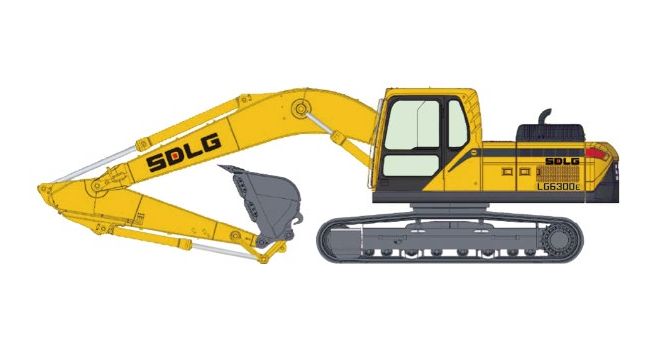 Excavator
  Motor Grader
  Backhoe Loader
 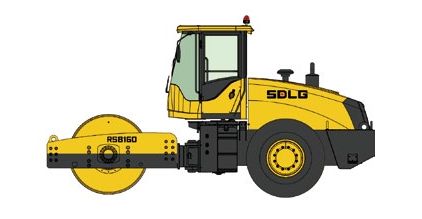 Road Roller
 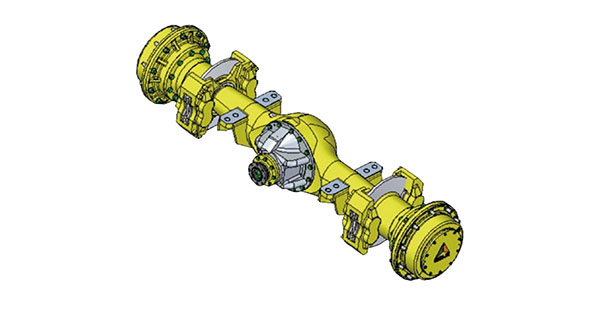 Spare Parts